




 DISCORD
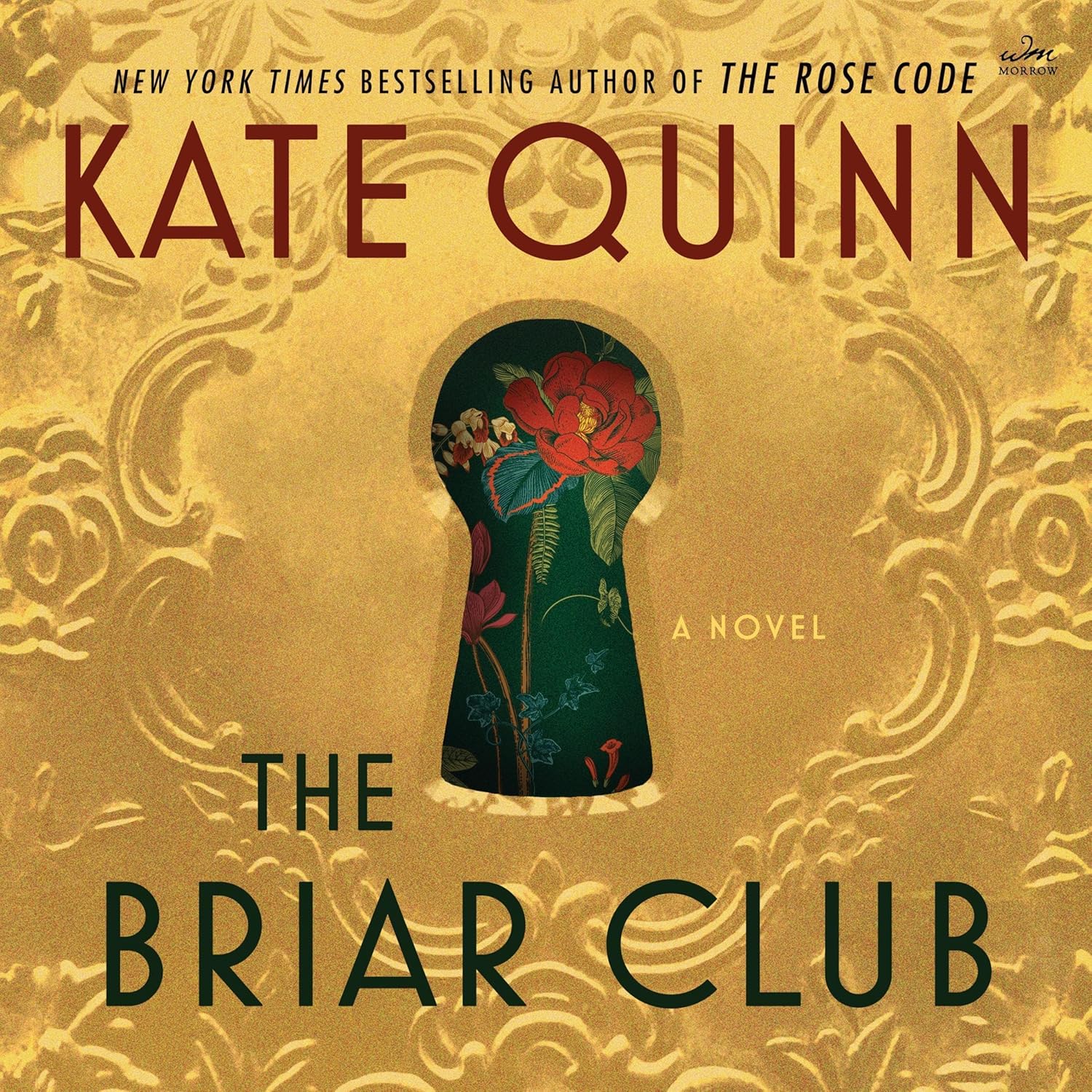
The Briar Club
Kate Quinn


 Goodreads Choice Awards
 Apple Books


 64 Min Reading Time
 Audio Version Available
About this book
In the heart of 1950s Washington, D.C., Briarwood House is a haven of secrets, a down-at-the-heels boardinghouse where women hide behind picket fences and closed doors. But the arrival of Grace March, a lovely and enigmatic widow, stirs the quiet lives of her neighbors, forging an unlikely sisterhood.
There's Fliss, the poised English beauty masking deep wounds beneath a perfect facade; Nora, the policeman's daughter caught in a dangerous dance with a shadowy gangster; Beatrice, a former baseball star sidelined by a world that no longer values her talent; and Arlene, a fervent believer consumed by McCarthy's Red Scare.
Grace's attic gatherings, filled with sun tea and camaraderie, offer solace and connection. Yet, she harbors a secret that threatens to shatter their fragile bond. When an act of shocking violence rocks Briarwood House, these women must confront their own truths and decide who the real enemy lies within.
Set against the backdrop of postwar America and the chilling paranoia of the McCarthy era, The Briar Club is a gripping tale of loyalty, betrayal, and the enduring power of female friendship.
Summary of Key Ideas
- •
The Complexities of Female Friendship
The novel explores the intricate bonds of female friendship in the face of societal pressures and personal secrets. The Briar Club, a weekly gathering, serves as the backdrop against which these relationships unfold, revealing both the supportive and competitive dynamics among the women. Set in a time of constrained gender roles, the women form a sisterhood, navigating shared experiences of love, loss, ambition, and betrayal. The story delves into how these friendships are tested by individual aspirations and external challenges, highlighting the complexities of female solidarity during the mid-20th century.
- •
McCarthyism and the Climate of Fear
Set against the backdrop of McCarthyism and the Cold War, "The Briar Club" vividly portrays the pervasive paranoia and suspicion that gripped American society in the 1950s. The narrative explores how the Red Scare infiltrates the lives of ordinary citizens, creating an atmosphere of fear and distrust. Characters grapple with accusations, political scrutiny, and the moral dilemmas of loyalty versus self-preservation. The novel examines how the era's political climate impacts personal relationships and individual freedoms, contributing to the suspenseful and thrilling nature of the story.
- •
Evolving Roles for Women in Post-War America
The novel examines the changing roles of women in post-war America, challenging traditional expectations and exploring the desire for independence and self-fulfillment. The characters navigate the societal constraints placed upon them, grappling with career aspirations, marital expectations, and personal ambitions. The Briar Club becomes a space where these women can express their desires, share their frustrations, and support each other in breaking free from conventional paths. Through their individual journeys, the book highlights the struggle for female agency and the evolving definition of womanhood in the 1950s.
- •
Secrets, Lies, and Betrayal
"The Briar Club" skillfully uses secrets and betrayals to drive the plot and deepen the character dynamics. Each woman harbors hidden truths, and the gradual unveiling of these secrets leads to unexpected twists and turns. Betrayals, both large and small, test the bonds of friendship and create an atmosphere of suspense. The narrative explores the motivations behind these acts of deception, revealing the vulnerabilities and hidden agendas of the characters. As secrets come to light, the women must confront the consequences of their actions and decide where their loyalties truly lie.
- •
Briarwood House: A Microcosm of Society
The boarding house at Briarwood becomes a central symbol in the novel, representing both confinement and community for the women who reside there. The physical space of the house reflects the limited opportunities available to women at the time, while also serving as a sanctuary where they can find support and understanding. The house is a microcosm of society, with its own rules, hierarchies, and hidden corners. As the story unfolds, the secrets and tensions within Briarwood mirror the larger societal issues at play, making the setting an integral part of the narrative.
- •
The Catalyst of Violence and Reckoning
A shocking act of violence disrupts the lives of the Briar Club women, forcing them to confront the darkness within their own community. The murder serves as a catalyst for uncovering long-buried secrets and challenging the established order. As the women investigate the crime, they are forced to question their assumptions about each other and themselves. The act of violence exposes the vulnerabilities and hidden tensions within the group, ultimately leading to a reckoning that will change their lives forever. The mystery element adds suspense and intrigue to the exploration of the novel's deeper themes.
Chapter Recap

About The Author
Kate Quinn
Main Quotes
"Happiness is a choice as much as anything. Or you could choose to be angry, and if you stay angry long enough, it will become comfortable, like an old robe."
"Life really hasn't been very fair to you, Pete. I'm sorry about that." "Mom says life isn't fair, and that's all there is to it.""
"I'll take care of you, the house wishes it could promise, but the promise is futile, and the house knows it."
"None of the boarders ever lingered to talk. Hellos in the corridor, a good-morning over the breakfast eggs, but otherwise it was all just ships passing in the night."
"“I was out at my bridge club. I'm always out at my bridge club on Thursday nights.” “Even on Thanksgiving?” The detective sounds dubious. If you …"
"Dear Kitty, Does the name "Briarwood House" sound auspicious? We shall see! I wish you were here. —Grace"
"And when a shocking act of violence tears the house apart, the Briar Club must decide once and for all: who is the true enemy in their midst?"
"Firebrands ask questions, and a nation where you can..."
"Elend: I kind of lost track of time… Breeze: For two hours? Elend: There were books involved."
Who Should Read This Book
Readers of historical fiction, particularly those interested in the 1950s and the McCarthy era
Readers who enjoy stories about female friendships and complicated women
Fans of mystery and suspense novels
Readers interested in stories set in Washington, D.C.
Those who appreciate books that explore themes of secrets, betrayal, and societal pressures
Readers of Kate Quinn's previous novels
Book club members looking for discussion-worthy reads
Book Summaries Like
The Briar Club



FAQ

Free Access to LitNotes