




 DISCORD
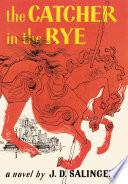
The Catcher in the Rye
J. D. Salinger

 Amazon Best Sellers
 Indie Bestsellers


 63 Min Reading Time
 Audio Version Available
About this book
Sixteen-year-old Holden Caulfield has had it with prep schools. Expelled just before Christmas, he escapes to New York City for three days of underground exploration. Cynical, raw, and profoundly insightful, Holden navigates the complexities of adolescence, grappling with identity, loss, and the "phoniness" he sees in the adult world. More than just a story of teenage rebellion, The Catcher in the Rye is a timeless exploration of the beauty and pain of growing up, told in a voice that continues to resonate with readers of all ages.
Summary of Key Ideas
- •
The Pervasive Alienation
Holden's alienation is a central theme, showcasing his detachment from society and his peers. He feels like an outsider, unable to connect with others on a genuine level. This alienation stems from his past traumas, such as the death of his brother Allie, and his disillusionment with the phoniness he perceives in the adult world. His attempts to find connection often fail, reinforcing his sense of isolation. This theme highlights the struggles of adolescence and the difficulty of finding one's place in a complex world. Holden's alienation serves as both a defense mechanism and a cry for help, revealing his vulnerability beneath his cynical exterior.
- •
The Agony of Growing Up
The novel explores the challenges and pain associated with growing up. Holden grapples with the loss of innocence and the transition from childhood to adulthood. He is resistant to change and longs for the simplicity and purity of his youth. The phoniness he observes in adults further fuels his desire to remain a child. This fear of growing up is evident in his longing to be the 'catcher in the rye,' protecting children from falling off a cliff and losing their innocence. The theme highlights the universal struggle of adolescence and the anxieties surrounding the future.
- •
The Condemnation of Phoniness
Holden frequently criticizes the 'phoniness' he sees in the adult world. He is disgusted by superficiality, hypocrisy, and the artificiality of social interactions. This perception of phoniness contributes to his alienation and distrust of others. He sees adults as being preoccupied with status, money, and maintaining appearances, rather than being genuine and authentic. This theme serves as a critique of societal values and the pressures to conform. Holden's aversion to phoniness reflects his desire for authenticity and meaningful connections, which he struggles to find in a world he perceives as fake.
- •
The Preservation of Innocence
Innocence, particularly that of children, is a recurring motif throughout the novel. Holden is deeply disturbed by the loss of innocence and seeks to protect it. His desire to be the 'catcher in the rye' embodies this protective instinct. He is horrified by any sign of corruption or impurity in children, such as the graffiti he finds at Phoebe's school. This theme highlights the vulnerability of youth and the importance of preserving their innocence. Holden's obsession with innocence reveals his own longing for a simpler, more pure state of being.
- •
The Enduring Impact of Loss
Loss and grief are significant underlying themes in The Catcher in the Rye, primarily stemming from the death of Holden's younger brother, Allie. Allie's death profoundly impacts Holden's ability to cope with life and form healthy relationships. Holden idealizes Allie, viewing him as the epitome of innocence and goodness. This idealized memory creates a standard against which Holden judges others, often finding them lacking. His inability to fully process his grief contributes to his emotional instability and his struggles to connect with the world around him. The theme underscores the lasting impact of loss and the difficulties of navigating grief, especially during adolescence.
- •
The Quest for Identity
Holden's journey throughout the novel can be interpreted as a search for identity and belonging. He is unsure of his place in the world and struggles to define himself. He tries on different personas and engages in various behaviors in an attempt to find a sense of self. His interactions with others often reflect his search for connection and acceptance. Ultimately, Holden's search for identity is a reflection of the universal adolescent experience of trying to figure out who you are and where you belong. His struggles highlight the complexities of self-discovery and the challenges of navigating societal expectations.
Chapter Recap

About The Author
J. D. Salinger
Main Quotes
""Anyway, I keep picturing all these little kids playing some game in this big field of rye and all. Thousands of little kids, and nobody's around - nobody big, I mean - except me. And I'm standing on the edge of some crazy cliff. What I have to do, I have to catch everybody if they start to go over the cliff - I mean if they're running and they don't look where they're going I have to come out from somewhere and catch them. That's all I'd do all day. I'd just be the catcher in the rye and all.""
""I'm quite illiterate, but I read a lot.""
""Don't ever tell anybody anything. If you do, you start missing everybody.""
""The mark of the immature man is that he wants to die nobly for a cause, while the mark of the mature man is that he wants to live humbly for one.""
""Life is a game, boy. Life is a game that one plays according to the rules.""
""I like it when somebody gets killed. It's morbid, but I can't help it. When I read a book, I want somebody to die – heroically, of course.""
""I am always saying 'Glad to've met you' to somebody I'm not at all glad I met. If you want to stay alive, you have to say that stuff, though.""
""People never notice anything.""
""I didn't want to go to any more schools and stuff. I hate them anyway.""
""That's the whole trouble. You can't ever find a place that's nice and peaceful, because there isn't any. You may think there is, but once you get there, when you're not looking, somebody'll sneak up and write 'Fuck you' right under your nose.""
Who Should Read This Book
Teenage readers experiencing feelings of alienation and disillusionment
Young adults grappling with identity and authenticity
Readers interested in coming-of-age stories
Individuals who appreciate critiques of societal norms and "phoniness"
Readers interested in classic American literature
Those who enjoy character-driven narratives focused on internal struggles
People who connect with themes of loss of innocence and rebellion
Readers interested in exploring mental health issues through literature
Educators and students studying American literature and culture
Readers interested in books that sparked controversy and discussion about censorship
Book Summaries Like
The Catcher in the Rye

FAQ

Free Access to LitNotes