




 DISCORD
The Complete Works of Edgar Allan Poe (Illustrated)
Edgar Allan Poe


 Apple Books


 47 Min Reading Time
 Audio Version Available
About this book
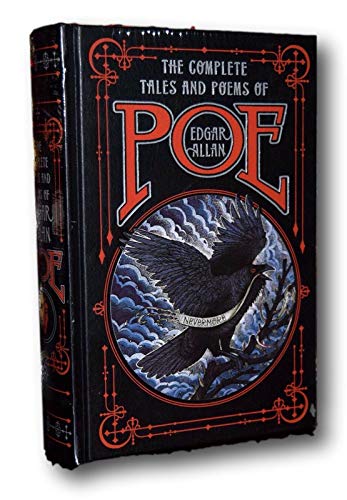
Delve into the macabre and mesmerizing world of Edgar Allan Poe with this complete and exquisitely illustrated collection of his works. From the haunting verses of "The Raven" to the chilling narratives of "The Tell-Tale Heart" and "The Fall of the House of Usher," immerse yourself in Poe's unparalleled genius for crafting tales of mystery, horror, and psychological suspense.
This definitive edition showcases the breadth of Poe's literary achievements, including his groundbreaking detective stories featuring C. Auguste Dupin ("The Murders in the Rue Morgue"), his evocative poems, insightful essays, and lesser-known but equally captivating works. Experience the full spectrum of Poe's dark romanticism, his innovative use of language, and his exploration of the human psyche.
Enhanced with stunning illustrations, this edition brings Poe's visions to life, casting a new light on his timeless stories and poems. Whether you're a longtime admirer or a new reader eager to discover the master of the macabre, this illustrated collection is a must-have for any lover of classic literature and gothic horror. Prepare to be captivated by the shadows and secrets within these pages, as Poe's haunting prose and vivid imagery transport you to a realm where the line between reality and nightmare blurs.
Summary of Key Ideas
- •
The Macabre Dance with Death
The exploration of death and decay is a recurring motif in Poe's works, reflecting his fascination with mortality and the transient nature of existence. This theme is evident in poems like "The Raven" and stories such as "The Fall of the House of Usher," where physical and psychological disintegration are central. Poe uses vivid imagery and symbolism to evoke a sense of dread and the inexorable approach of death, inviting readers to contemplate their own mortality and the fragility of life. This preoccupation with death is not merely morbid; it also serves as a lens through which Poe examines the human condition and the limits of human understanding.
- •
Descent into Madness
Many of Poe's characters grapple with intense psychological distress, often leading to madness or self-destruction. Stories like "The Tell-Tale Heart" and "The Black Cat" delve into the minds of narrators consumed by guilt, paranoia, and inner demons. Poe masterfully portrays the descent into madness, using unreliable narrators and unsettling imagery to create a sense of unease and psychological horror. These explorations of mental instability offer insights into the darker aspects of the human psyche and the destructive power of unchecked emotions. The psychological depth in Poe's works set him apart from many of his contemporaries.
- •
The Unsettling Blurring of Reality
Poe's tales often blur the line between reality and illusion, creating a dreamlike or nightmarish atmosphere. This ambiguity is evident in stories such as "The Masque of the Red Death" and "The Raven," where the boundaries of perception are questioned, and the reader is left to wonder what is real and what is imagined. Poe uses symbolism and surreal imagery to create a sense of disorientation and unease, challenging the reader's understanding of the world and the nature of existence. This blending of reality and illusion adds to the overall sense of mystery and suspense in his works.
- •
The Haunting Echoes of Lost Love
The theme of lost love and its devastating consequences is central to many of Poe's poems and stories. "Annabel Lee" and "Ulalume" are poignant expressions of grief and longing for a beloved who has passed away. Poe explores the profound impact of loss on the human psyche, depicting characters haunted by memories and consumed by despair. The idealized portrayal of the lost loved one and the intense emotional response to their absence highlight the power of love and the enduring pain of separation. This theme resonates deeply with readers, tapping into universal experiences of love, loss, and grief.
- •
The Dawn of Detective Fiction
Poe's detective stories, such as "The Murders in the Rue Morgue" and "The Purloined Letter," are considered foundational works in the genre of detective fiction. These stories feature the brilliant detective C. Auguste Dupin, who uses his powers of observation and deduction to solve seemingly impossible crimes. Poe establishes many of the conventions of the genre, including the locked-room mystery, the eccentric detective, and the use of logical reasoning to unravel complex puzzles. These stories showcase Poe's analytical skills and his fascination with the power of human intellect.
- •
Unveiling the Darkness Within
Many of Poe's works explore the darker side of human nature, revealing the capacity for cruelty, greed, and violence that lurks beneath the surface of society. Stories like "The Cask of Amontillado" and "The Black Cat" depict characters driven by revenge, malice, and irrational impulses. Poe does not shy away from portraying the brutality and depravity that humans are capable of, challenging readers to confront the uncomfortable truths about themselves and the world around them. This unflinching examination of human nature adds depth and complexity to his works, making them both disturbing and thought-provoking.
- •
Weaving Webs of Mystery and Suspense
Poe's works often feature elements of mystery and suspense, drawing readers into intricate plots filled with unanswered questions and unexpected twists. Stories like "The Gold-Bug" and "The Mystery of Marie Roget" rely on suspense to captivate the audience, creating a sense of anticipation and unease. Poe skillfully uses foreshadowing, red herrings, and cliffhangers to keep readers engaged and guessing until the very end. This mastery of suspense is a key element of his storytelling and contributes to the overall impact of his works.
- •
The Power of Poetic Language
Poe's writing style is characterized by its use of vivid imagery, symbolism, and musical language. His poems, in particular, are known for their rhythmic cadence and evocative descriptions, creating a hypnotic effect on the reader. He carefully crafts his language to evoke specific emotions and moods, using sound and imagery to enhance the overall impact of his works. This attention to detail and mastery of language contribute to the enduring appeal of his writing and its ability to resonate with readers across generations. The musicality of his verse is especially noteworthy.
- •
The Allure of Beauty and the Ideal
While Poe is renowned for his dark and macabre themes, his works also reveal a profound interest in beauty and the ideal. This is evident in his poems, where he often idealizes female figures and seeks to capture a sense of transcendent beauty. However, this pursuit of beauty is often intertwined with themes of loss and decay, suggesting that beauty is fleeting and ultimately unattainable. This tension between beauty and decay is a recurring motif in Poe's works, adding complexity and nuance to his explorations of the human condition. He finds beauty even in the grotesque.
- •
The Significance of Isolation and Setting
Many of Poe's stories feature isolated settings, such as decaying mansions, desolate landscapes, and claustrophobic interiors. These settings often mirror the psychological state of the characters, creating a sense of unease and confinement. The isolation of the characters contributes to their vulnerability and their descent into madness or despair. Poe uses these settings to create a sense of atmosphere and to heighten the emotional impact of his stories. The settings become characters in their own right, influencing the events and the psychological states of those within them.
Chapter Recap

About The Author
Edgar Allan Poe
Main Quotes
"All that we see or seem is but a dream within a dream."
"I became insane, with long intervals of horrible sanity."
"The boundaries which divide Life from Death are at best shadowy and vague. Who shall say where the one ends, and where the other begins?"
"Sleep, those little slices of death – how I loathe them."
"To die laughing must be the most glorious of all glorious deaths!"
"I have no faith in human perfectibility. I think that human exertion will have no appreciable effect upon humanity. Man is now only more active – not more happy – nor much wiser, than he was six thousand years ago."
"That pleasure which is at once the most pure, the most elevating and the most intense, is derived, I maintain, from the contemplation of the beautiful."
"The death of a beautiful woman is, unquestionably, the most poetical topic in the world."
"I was never really insane except upon occasions when my heart was touched."
"Deep into that darkness peering, long I stood there wondering, fearing, doubting, dreaming dreams no mortal ever dared to dream before."
Who Should Read This Book
Fans of classic horror and gothic literature
Readers interested in short stories, poetry, essays, and a novel by a single author
Students and scholars of American literature
Individuals fascinated by themes of death, grief, mystery, and the macabre
Collectors of illustrated classic literature editions
Readers seeking psychologically complex and suspenseful narratives
Fans of detective fiction and the origins of the genre
Readers who appreciate ornate, atmospheric writing styles
Individuals interested in the Romantic era and its darker aspects
Gift-givers looking for a comprehensive and visually appealing edition of Poe's works
Book Summaries Like
The Complete Works of Edgar Allan Poe (Illustrated)
FAQ

Free Access to LitNotes