




 DISCORD
The Correspondent
Virginia Evans


 Apple Books


 46 Min Reading Time
 Audio Version Available
About this book
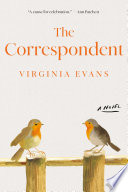
In Virginia Evans' "The Correspondent," meet Sybil Van Antwerp, a fiercely intelligent woman who has always used letters to make sense of her world. Now retired, and carrying the weight of past regrets, Sybil spends her mornings crafting correspondence that shapes her days and connects her to others.
Told through heartfelt letters and emails, this epistolary novel offers an intimate glimpse into Sybil's life, loves, and enduring guilt. As she navigates lifelong friendships, familial complexities, and the unexpected turns of fate, Sybil discovers solace in literature and forges connections that transcend distance and time.
"The Correspondent" is a poignant exploration of aging, mental health, and the transformative power of human connection. It's a story about the hubris of youth and the wisdom of old age, of mistakes made and acts of kindness remembered, and how even a small life can expand in remarkable ways when change seems impossible. A gem of a novel for those who cherish character-driven stories and the beauty of the written word.
Summary of Key Ideas
- •
Solace in Literature
The novel explores the profound theme of finding solace and meaning through literature. Sybil Van Antwerp, the protagonist, uses her correspondence with authors and others to navigate life's challenges, finding comfort and understanding in the written word. This highlights literature's power to offer escape, perspective, and connection during times of personal difficulty, demonstrating how engagement with books can be a lifeline for those grappling with isolation, grief, or illness. The act of reading and writing becomes a form of therapy and self-discovery for Sybil.
- •
The Power of Connection Through Letters
The book emphasizes the power of human connection through correspondence, illustrating how letters can bridge distances and time. Sybil’s relationships, primarily maintained through written communication, showcase the depth and intimacy achievable even without physical presence. These connections offer support, understanding, and a sense of belonging, underscoring the enduring significance of personal communication in an increasingly digital world. The novel suggests that the intentionality and thoughtfulness inherent in letter-writing can foster profound and lasting bonds.
- •
Confronting Aging and Illness
"The Correspondent" delves into the themes of aging, illness, and physical decline. Sybil, in her seventies, confronts the realities of growing older, grappling with the loss of physical abilities and the increasing awareness of mortality. The novel portrays these challenges with sensitivity and nuance, exploring how individuals adapt to changing circumstances and find meaning in later life. It also examines the impact of illness on relationships and the importance of compassion and care during vulnerable times.
- •
The Potential for Transformation
A central theme revolves around personal transformation and growth, demonstrating that change is possible at any stage of life. Sybil's journey reveals how experiences, relationships, and self-reflection can lead to unexpected shifts in perspective and behavior. The novel suggests that even when change seems impossible, individuals have the capacity to evolve, adapt, and discover new aspects of themselves. This theme offers a message of hope and resilience, encouraging readers to embrace the potential for growth throughout their lives.
- •
Navigating Grief and Loss
The narrative explores the complexities of grief and loss, portraying how individuals cope with the death of loved ones and the challenges of moving forward. Sybil's experiences with loss shape her interactions and perspectives, influencing her relationships and her approach to life. The novel highlights the importance of acknowledging and processing grief, as well as the potential for finding healing and meaning amidst sorrow. It also emphasizes the role of memory and remembrance in honoring those who have passed.
- •
Ode to the Written Word
The novel serves as an homage to the written word, celebrating the beauty, power, and enduring relevance of letters and literature. Through Sybil's correspondence and her reflections on books, the author emphasizes the importance of preserving and appreciating literary traditions. The story highlights the unique qualities of epistolary communication, showcasing its ability to convey intimacy, thoughtfulness, and emotional depth. It also underscores the role of literature in shaping our understanding of ourselves and the world around us.
Chapter Recap

About The Author
Virginia Evans
Main Quotes
"I guess there's no bottom to a person, but I feel you have left fewer stones unturned than anyone else who's ever passed through, and it's taken me some time to recognize how knowing you has been like coming in from the cold, lonely road to find a warm fire and a table laid, so thank you for that, Theodore."
"I am an old woman and my life has been some strange balance of miraculous and mundane."
"I think of life rather like a long road we walk in one direction. By and large, a lonesome walk out in the wildness of hills and wind."
"I love the world of words where life and literature connect."
"People are just people. Famous or not."
"I wrote The Correspondent when my last novel wasn't selling, and in fact I was probably coming to some terms with the possibility that nothing I wrote would."
"Subtly told and finely made, The Correspondent is a portrait of a small life expanding. Virginia Evans shows how one woman changes at a point when change."
"We read to know we are not alone."
"And enjoyed them and had some time over. I love you. I'm glad I exist."
"This novel in letters tells the story of Sybil Van Antwerp, an older woman looking back on her life and looking forward."
Who Should Read This Book
Readers of literary fiction
Readers who enjoy epistolary novels
Women's fiction readers
Book club members
Readers interested in stories about finding connection and solace in literature
Readers who appreciate character-driven stories about personal growth and transformation
Readers interested in themes of aging, wisdom, and the impact of human connection
Book Summaries Like
The Correspondent
FAQ

Free Access to LitNotes