




 DISCORD
The Creative Act
Rick Rubin


 Amazon Best Sellers
 The New York Times Best Sellers


 41 Min Reading Time
 Audio Version Available
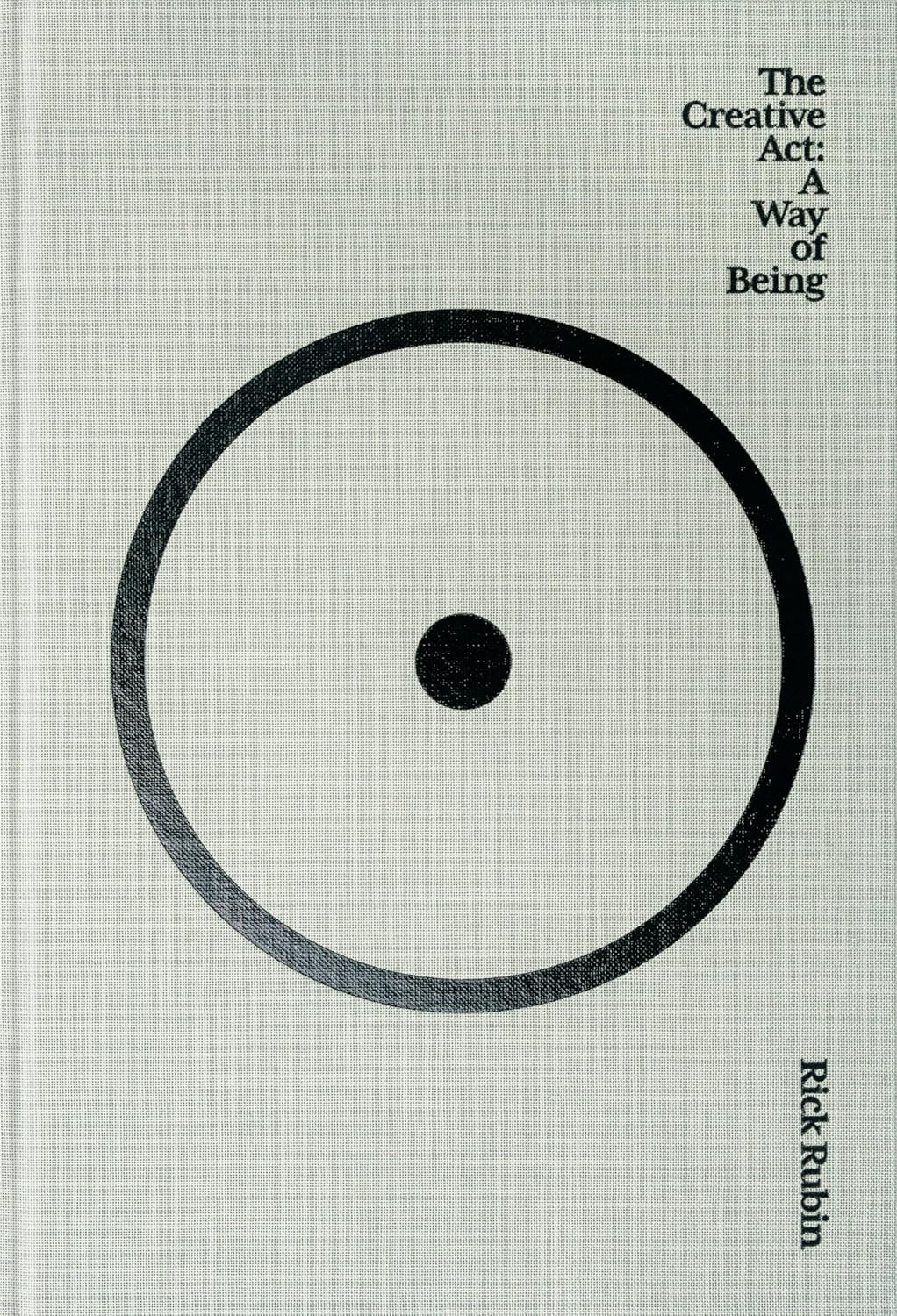
About this book
Unlock your creative potential with The Creative Act, the #1 New York Times bestseller from legendary music producer Rick Rubin. More than a guide to making art, this beautifully crafted book is a journey into being, offering profound wisdom gleaned from a lifetime of helping artists connect with their true selves.
Rubin, renowned for creating a space where artists transcend limitations and discover their unique voice, shares insights applicable to all aspects of life. The Creative Act is a luminous and generous exploration of creativity as a path accessible to everyone. Distilling years of experience, Rubin reveals that being an artist isn't about the output, but about your relationship to the world. Discover how to cultivate inspiration, break through self-doubt, and unlock moments of exhilaration and transcendence. Let this timeless classic guide you toward a more creative and fulfilling existence.
Summary of Key Ideas
- •
Universal Creativity: Unleashing Your Inner Artist
Everyone is inherently creative. Rubin dismantles the notion that creativity is a rare gift possessed only by a select few. Instead, he argues that creativity is a fundamental aspect of the human experience, accessible to all. This involves shifting one's perspective to recognize and embrace the creative potential within oneself, irrespective of artistic background or skill level. By understanding that creativity is a natural part of being, individuals can overcome self-doubt and unlock their capacity for innovative thinking and expression. This idea encourages readers to approach life with a creative mindset, seeing opportunities for innovation and originality in everyday experiences.
- •
Embrace the Process: Discovery Over Perfection
The creative process is a journey of discovery, not a quest for perfection. Rubin emphasizes the importance of embracing experimentation and allowing the creative process to unfold organically. This means letting go of preconceived notions and expectations, and instead, being open to unexpected turns and detours. The focus should be on the exploration itself, rather than striving for a flawless outcome. By accepting imperfection and embracing the unknown, artists can tap into new sources of inspiration and arrive at more authentic and original creations. This concept encourages a playful and curious approach to creativity, where mistakes are seen as valuable learning opportunities.
- •
Authenticity: The Heart of Creative Expression
Authenticity is the cornerstone of impactful art. Rubin stresses the significance of genuine self-expression in the creative process. Rather than trying to imitate others or conform to popular trends, artists should strive to create work that reflects their unique perspective, experiences, and values. This involves deep self-reflection and a willingness to be vulnerable and honest in one's art. By creating from a place of authenticity, artists can connect with their audience on a deeper level and create work that is both meaningful and impactful. This idea encourages artists to stay true to themselves and resist the pressure to compromise their artistic vision.
- •
The Power of Receptivity: Finding Inspiration Everywhere
Cultivate receptivity to inspiration from diverse sources. Rubin advocates for cultivating a mindset of openness and receptivity to inspiration from a wide range of sources, including nature, emotions, and everyday experiences. This involves paying attention to the world around us and being attuned to the subtle cues and signals that can spark creative ideas. By actively seeking out new experiences and perspectives, artists can expand their creative horizons and discover unexpected connections. This concept encourages a holistic approach to creativity, where inspiration is seen as a constant flow that can be tapped into at any time.
- •
Intuition's Guidance: Trusting Your Inner Voice
Overthinking stifles creativity; intuition unlocks it. The book emphasizes the importance of quieting the analytical mind and trusting one's intuition in the creative process. Rubin suggests that overthinking can lead to self-doubt and creative blocks, while intuition can guide artists towards unexpected and innovative solutions. This involves developing a sense of inner trust and learning to recognize and follow one's instincts. By quieting the noise of the mind, artists can tap into a deeper source of creativity and allow their intuition to guide their creative decisions. This idea encourages a more spontaneous and intuitive approach to art-making.
- •
Art as Communication: Beyond Commerce
Art transcends mere commerce; it's a profound form of communication. Rubin positions art as a powerful medium for conveying meaning, emotion, and connection. He emphasizes that the true value of art lies not in its monetary worth, but in its ability to resonate with audiences and create a shared experience. This involves focusing on the message and intention behind the artwork, rather than solely on its commercial potential. By prioritizing communication and connection, artists can create work that has a lasting impact and contributes to a broader cultural conversation. This concept encourages a more purpose-driven approach to art-making, where the goal is to create meaningful experiences for both the artist and the audience.
- •
The Synergy of Collaboration: Amplifying Creativity
Collaboration enriches the creative landscape. Rubin highlights the value of collaboration in the creative process. Working with others can bring fresh perspectives, challenge assumptions, and lead to unexpected breakthroughs. By embracing collaboration, artists can learn from each other, expand their skill sets, and create work that is greater than the sum of its parts. This involves being open to different ideas and approaches, and being willing to compromise and co-create. The book illustrates how collaboration fosters a supportive and stimulating environment that encourages experimentation and innovation. This idea encourages artists to seek out opportunities for collaboration and embrace the collective creative process.
- •
Detachment and Freedom: Unbound Creativity
Detachment from outcome fuels bolder creation. Rubin explores how attachment to specific outcomes can hinder the creative process, leading to anxiety and self-censorship. By detaching from the need for a particular result, artists can free themselves to take risks, experiment fearlessly, and explore uncharted territories. This involves shifting the focus from the destination to the journey, and finding joy in the process of creation itself. The book underscores that detaching from outcome enables a more playful and exploratory approach, fostering innovation and serendipitous discoveries. This key idea encourages artists to embrace uncertainty and trust the creative process to unfold naturally.
Chapter Recap

About The Author
Rick Rubin
Main Quotes
"The world wants your art. It needs it. We need each other."
"All that matters is that you are making something you love, to the best of your ability, here and now."
"The work is the only thing we have any control over."
"The distance between you and your creative goals is directly proportional to the space between your thoughts and your actions."
"What we do in the world matters less than how we do it."
"Doubt is natural. Don’t let it derail you."
"The ability to look deeply is the root of creativity."
"The real work of the artist is a way of being in the world."
"Art isn’t only a product. It’s a practice."
"There are no mistakes."
Who Should Read This Book
Aspiring artists of all disciplines
Established artists seeking inspiration or overcoming creative blocks
Musicians and music producers
Anyone interested in the creative process, regardless of their field
Individuals seeking a more mindful and present approach to life
Fans of Rick Rubin and his work
People interested in self-help and personal development through creativity
Those looking for a non-traditional guide to creativity
Marketers
Storytellers
Book Summaries Like
The Creative Act

FAQ

Free Access to LitNotes