




 DISCORD
The Daily Stoic
Ryan Holiday, Stephen Hanselman

 Amazon Charts


 53 Min Reading Time
 Audio Version Available
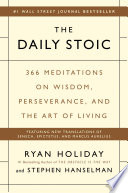
About this book
Unlock the wisdom of the ages with The Daily Stoic, a daily devotional from Ryan Holiday and Stephen Hanselman, the bestselling authors of The Obstacle Is the Way and Ego Is the Enemy. For centuries, Stoicism has been embraced by history's greatest minds, from emperors to artists to athletes, for its practical guidance on navigating life's challenges.
The Daily Stoic offers 366 days of Stoic wisdom, featuring new translations from luminaries like Marcus Aurelius, Seneca, and Epictetus, alongside insights from lesser-known Stoics. Each day presents a powerful quotation, historical anecdotes, and thought-provoking commentary, providing a framework for conquering adversity, finding meaning, and achieving serenity.
More than just a philosophy, Stoicism is a tool for living well. Let The Daily Stoic be your guide to cultivating self-knowledge, resilience, and a tranquil spirit, one day at a time.
Summary of Key Ideas
- •
The Primacy of Virtue
Virtue as the Sole Good: Stoicism emphasizes that virtue – wisdom, justice, courage, and temperance – is the only true good. External factors like wealth, health, or reputation are indifferent and should not dictate happiness or well-being. Focusing on internal virtue allows individuals to maintain equanimity regardless of external circumstances. This principle encourages self-improvement and moral development as the primary pursuits in life.
- •
The Dichotomy of Control
Control What You Can: A core tenet of Stoicism is distinguishing between what we can control (our thoughts, actions, and reactions) and what we cannot (external events, other people's behavior). By focusing our energy on influencing what is within our control and accepting what is not, we reduce anxiety and increase inner peace. This idea promotes a proactive approach to life, centered on personal responsibility and effective action.
- •
Perception as Reality
The Importance of Perception: Stoicism posits that our perceptions shape our reality. Events themselves are neutral; it is our judgment of them that determines their impact. By cultivating rational and objective perspectives, we can mitigate negative emotions and find opportunities for growth in challenging situations. This concept stresses the power of mindset and the ability to reframe experiences for personal benefit.
- •
The Reminder of Mortality
Memento Mori: 'Remember that you must die' is a constant theme in Stoic philosophy. This awareness of mortality encourages us to live each day with purpose and gratitude, appreciating the present moment rather than dwelling on the past or fearing the future. It serves as a reminder to prioritize what truly matters and to avoid wasting time on trivial pursuits.
- •
Embracing Fate
Amor Fati: 'Love your fate' is the Stoic practice of accepting and even embracing everything that happens to us. Rather than resisting or lamenting difficulties, we should view them as opportunities for growth and learning. This mindset fosters resilience and allows us to find meaning in adversity, transforming obstacles into stepping stones.
- •
Reason Over Emotion
The Value of Reason: Stoicism places great emphasis on the use of reason and logic to navigate life's challenges. By applying rational thought to our emotions and decisions, we can avoid impulsive reactions and make choices aligned with our values. This principle encourages critical thinking and self-awareness, leading to greater clarity and sound judgment.
- •
Harmony with Nature
Living in Accordance with Nature: Stoics believed in living in harmony with the natural world and our own human nature. This involves understanding our role in the larger universe and acting in accordance with virtue and reason. It also suggests a simple, uncomplicated lifestyle focused on what is essential for human flourishing.
- •
Adversity as Opportunity
The Role of Adversity: Stoicism views adversity not as something to be avoided, but as an opportunity to develop resilience and strength of character. Challenges test our values and provide invaluable lessons, shaping us into better versions of ourselves. Embracing difficulties allows us to cultivate inner fortitude and find meaning in suffering.
- •
The Power of Self-Reflection
The Importance of Self-Reflection: Regular self-examination is crucial in Stoicism. By reflecting on our actions, thoughts, and intentions, we can identify areas for improvement and ensure that we are living in accordance with our values. This practice promotes self-awareness and continuous growth, fostering a deeper understanding of ourselves and our place in the world.
- •
Serving the Common Good
Duty and Service to Others: Stoicism emphasizes our responsibility to contribute to the well-being of society. By acting with justice, compassion, and kindness towards others, we fulfill our duty as rational and social beings. This principle encourages us to prioritize the common good and to make a positive impact on the world around us.
Chapter Recap

About The Author
Ryan Holiday
Main Quotes
""You could leave life right now. Let that determine what you do and say and think.""
""Choose not to be harmed—and you won't feel harmed. Don't feel harmed—and you haven't been.""
""How long are you going to wait before you demand the best for yourself?""
""Don’t explain your philosophy. Embody it.""
""It isn't events themselves that disturb people, but only their judgments about them.""
""The impediment to action advances action. What stands in the way becomes the way.""
""First tell yourself what you would be; and then do what you have to do.""
""He who fears death will never do anything worth of a man who is alive.""
""We suffer more often in imagination than in reality.""
""Don't seek to have events happen as you wish, but wish events to happen as they do happen, and your life will go smoothly.""
Who Should Read This Book
Individuals interested in Stoicism and its practical applications
People seeking daily inspiration and guidance for living a more virtuous and fulfilling life
Readers interested in philosophy, self-improvement, and mindfulness
Those looking for a daily practice to cultivate wisdom, resilience, and tranquility
Individuals who appreciate concise and accessible philosophical insights
Readers of Ryan Holiday's other books on Stoicism and related topics
People seeking a secular approach to spirituality and personal development
Individuals interested in ancient wisdom traditions and their relevance to modern life
Those seeking a framework for managing emotions, overcoming challenges, and making better decisions
Readers interested in a daily journal format for reflection and self-discovery
Book Summaries Like
The Daily Stoic
FAQ

Free Access to LitNotes