




 DISCORD
The Darkest Minds
Alexandra Bracken, Amy McFadden


 Goodreads Choice Awards
 Apple Books


 95 Min Reading Time
 Audio Version Available
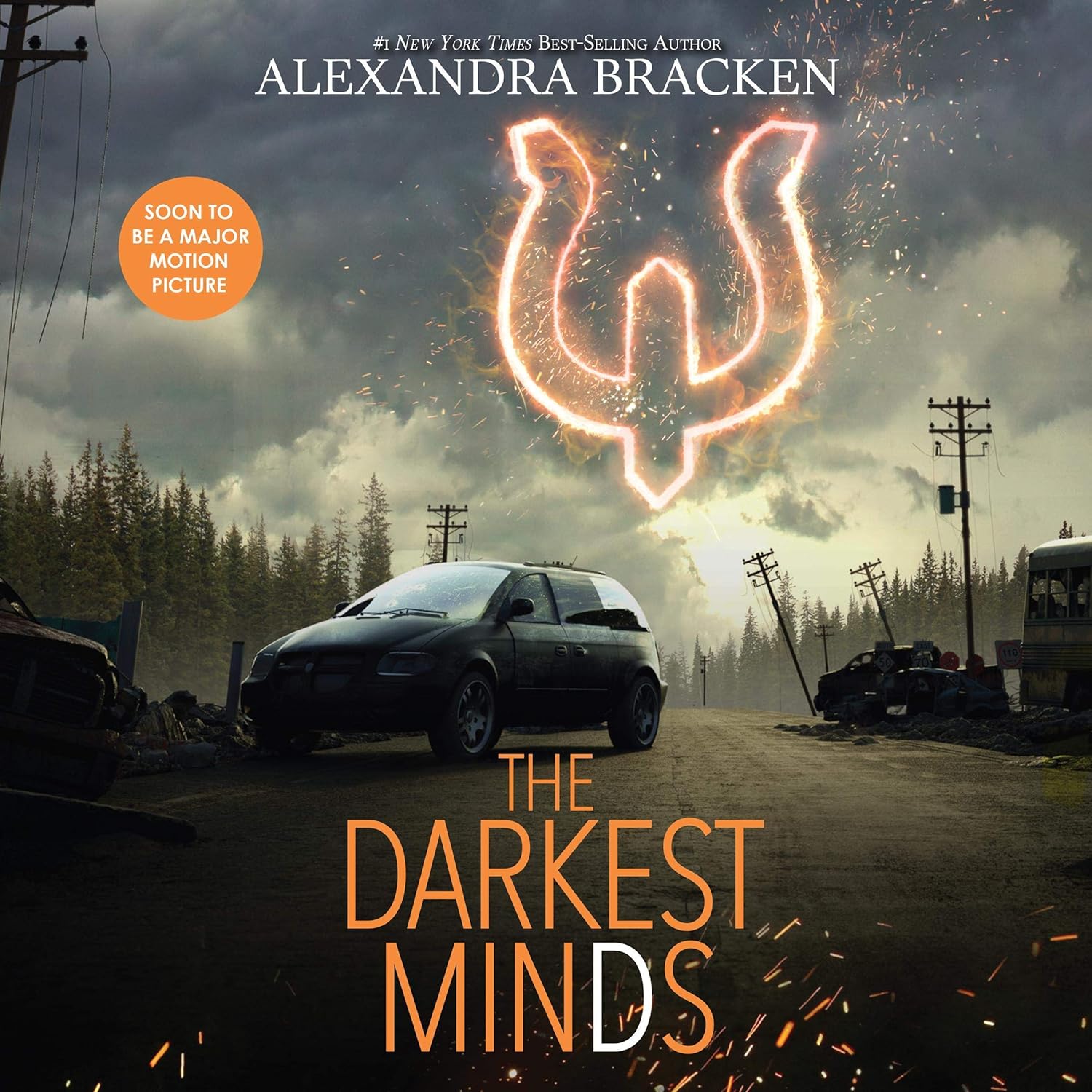
About this book
On her tenth birthday, Ruby's life changed forever. Marked as a threat, she's torn from her family and sent to Thurmond, a brutal government camp where young people with dangerous abilities are "rehabilitated." Ruby may have survived the disease that decimated America's children, but she emerged with a power she can barely control.
Now sixteen, Ruby escapes Thurmond, joining a group of runaways: Zu, haunted by her past; Chubs, a prickly genius; and Liam, their leader, who ignites a hope Ruby thought she'd lost. As they journey toward East River, a rumored safe haven, they face relentless pursuers who want to exploit Ruby's abilities. But trust is a fragile thing, and as she gets closer to Liam, Ruby must confront a devastating truth: embracing her power might be the only way to save them all, even if it costs her the chance at a future.
Summary of Key Ideas
- •
Government Control Through Fear
The novel explores the theme of government control and manipulation in times of crisis. After a mysterious disease wipes out a large portion of America's children, the surviving ones develop powers, leading the government to see them as a threat. This fear results in the children being rounded up and placed in camps under the guise of protection, but in reality, they are subjected to experimentation and control. The story highlights how easily fear can be used to justify oppression and the suspension of civil liberties, especially when dealing with marginalized groups.
- •
The Search for Identity and Belonging
The book examines the struggle for identity and belonging among young people who are feared and ostracized by society. The children with powers are categorized by color-coded threat levels, further dehumanizing them and reinforcing their sense of otherness. Ruby, the protagonist, grapples with her own dangerous abilities and the fear of who she might become. She and her friends search for a place where they can be accepted and safe, highlighting the universal need for belonging and the devastating effects of social isolation.
- •
The Power of Friendship and Loyalty
Friendship and loyalty are portrayed as vital for survival in a dystopian world. Ruby forms close bonds with Liam, Chubs, and Zu, and their relationships provide her with strength and support. They rely on each other to navigate the dangers of their world, demonstrating the importance of trust and camaraderie in the face of adversity. These bonds of friendship challenge the oppressive forces that seek to divide and control them, showcasing the power of unity.
- •
Moral Ambiguity and Difficult Choices
The novel delves into the complexities of morality and the ethical dilemmas faced in desperate situations. Characters are often forced to make difficult choices with far-reaching consequences, blurring the lines between right and wrong. Ruby's powers, for example, force her to grapple with the potential for manipulation and harm, even when her intentions are good. The book explores the idea that survival can come at a cost and questions whether the ends always justify the means.
- •
Hope and Resistance Against Oppression
The importance of hope and resistance in the face of oppression is a central theme. Despite the bleakness of their circumstances, Ruby and her friends maintain a sense of hope for a better future. They actively resist the oppressive forces that seek to control them, searching for a safe haven and fighting for their freedom. This resistance, both big and small, underscores the enduring human spirit and the determination to fight for what is right, even when the odds are stacked against them.
- •
Dangers of Prejudice and Discrimination
The book highlights the dangers of prejudice and discrimination based on perceived differences. The children with powers are targeted and persecuted simply because they are different, reflecting real-world issues of prejudice based on race, religion, or other characteristics. The story serves as a cautionary tale about the consequences of fear-mongering and the importance of empathy and understanding in overcoming prejudice.
Chapter Recap

About The Author
Alexandra Bracken
Main Quotes
"The darkest minds tend to hide behind the most unlikely faces."
"But there's a beginning in an end, you know? It's true that you can't reclaim what you had, but you can lock it up behind you. Start fresh."
"The government was never scared of the kids who might die, or the empty spaces they would leave behind. They were afraid of us - the ones who lived."
"Time to carpe the hell out of this diem."
"I was beginning to think that maybe the very definition of adulthood was recognising when you were helpless."
"How strange and wonderful it was that even in the darkness of my life, light could exist."
"That was the trick, wasn't it? Finding the light when everything was dark."
"Knowing was better than not knowing. Every answer led to another question. The only way to find out the truth was to keep digging."
"Some things you couldn't help but learn the hard way."
"It's not a sin to want what you can't have."
Who Should Read This Book
Young adults interested in dystopian fiction
Readers who enjoy stories about teens with special abilities
Fans of young adult romance with a supernatural twist
Readers interested in themes of government control, prejudice, and survival
Individuals who appreciate character-driven narratives in speculative settings
Book Summaries Like
The Darkest Minds
FAQ

Free Access to LitNotes