




 DISCORD
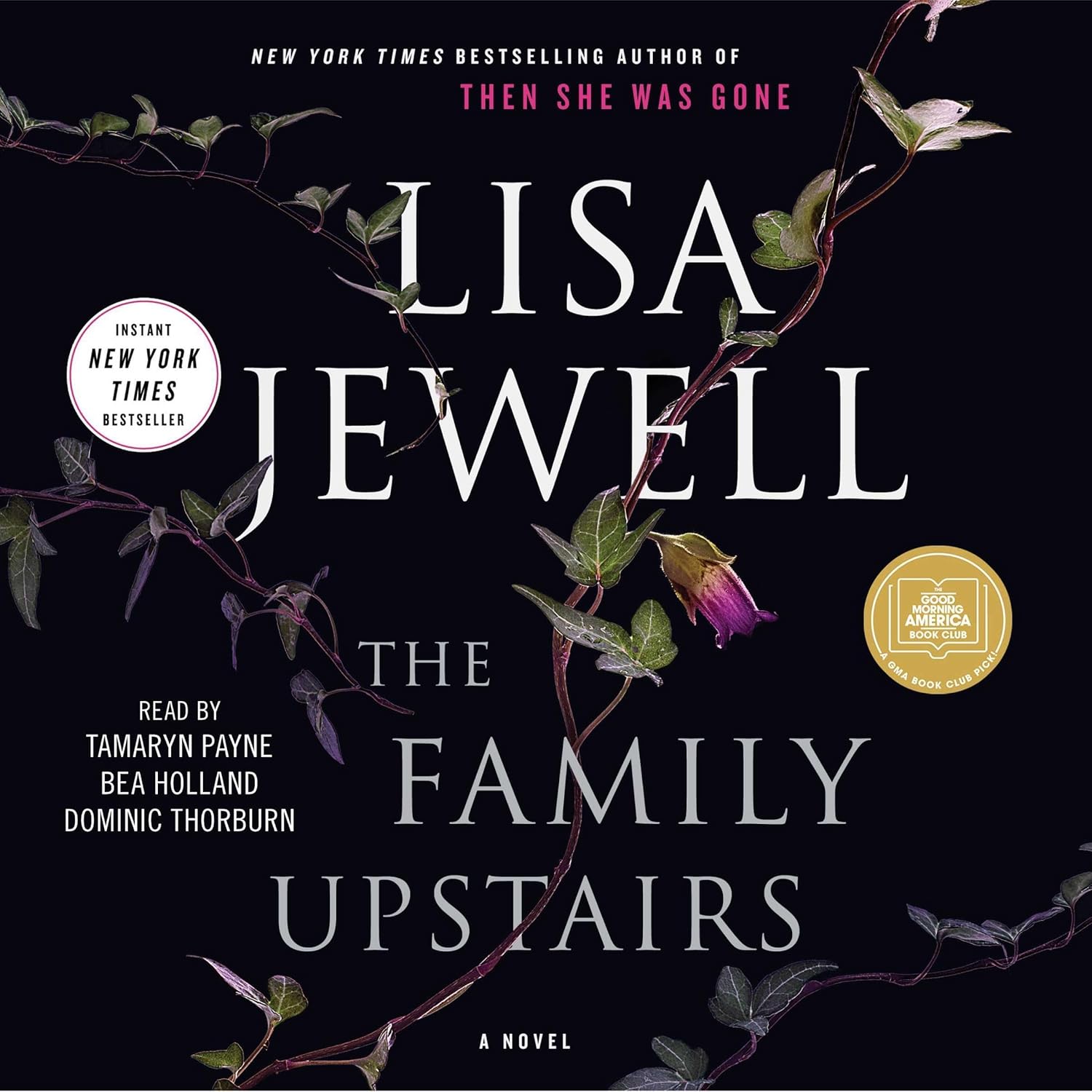
The Family Upstairs
Lisa Jewell


 Apple Books


 58 Min Reading Time
 Audio Version Available
About this book
In a Chelsea mansion, a baby lies in her crib, content and alone. Downstairs, three bodies decompose beside a chilling note. They've been dead for days. Who was caring for the child, and where have they gone?
Twenty-five years later, Libby Jones inherits the abandoned house, a life-changing fortune, and a past shrouded in darkness. As she seeks the truth about her origins, others are drawn to the mansion, driven by secrets of their own.
Unraveling the mystery of 16 Cheyne Walk reveals two entangled families and a house haunted by disturbing secrets. Prepare to be gripped by Lisa Jewell's compulsive thriller, where betrayal and redemption lurk in every room.
Summary of Key Ideas
- •
The Dark Side of Family Dynamics
The novel revolves around the complexities and dark secrets within families. It explores how seemingly normal family dynamics can mask deeply troubled relationships and hidden traumas. The dysfunctional Lamb family serves as a central example, revealing how unresolved issues and toxic behaviors can have long-lasting impacts on its members. The narrative delves into the ways family members can both protect and betray one another, creating a web of deceit and mistrust. This exploration highlights the idea that family bonds can be both a source of strength and a catalyst for destruction.
- •
The Destructive Influence of Cults
The book delves into the insidious nature of cults and their manipulative control over individuals. The charismatic but dangerous David injects himself into the Lamb's lives and slowly isolates them from the outside world, creating a dependency that leads to devastating consequences. The narrative exposes the psychological tactics used by cult leaders to indoctrinate and exploit their followers, stripping them of their autonomy and rational thinking. This theme serves as a cautionary tale about the vulnerability of individuals seeking belonging and the dangers of blindly following charismatic figures.
- •
Unraveling Hidden Secrets of the Past
The story is driven by a sense of mystery surrounding the events that transpired years ago in the Lamb family's mansion. Unraveling these secrets becomes a central focus, as the characters piece together fragmented memories and uncover hidden truths about the past. The narrative employs a non-linear timeline, gradually revealing the layers of deception and trauma that have haunted the family for decades. The pursuit of these secrets forces the characters to confront their own pasts and the roles they played in the unfolding tragedy, ultimately leading to a reckoning with the consequences of their actions.
- •
The Search for Identity and Self
Identity is a recurring theme, particularly as the characters grapple with their true selves in the face of traumatic experiences and manipulative influences. Henry's struggle with his sexuality and his attempts to conform to David's expectations highlight the challenges of self-discovery under oppressive circumstances. Libby's journey to uncover her family history forces her to confront the legacy of her parents and define her own identity separate from their actions. The novel explores how external forces can shape one's sense of self and the importance of reclaiming agency over one's own narrative.
- •
Choices and Their Consequences
The characters in "The Family Upstairs" make various choices that lead to devastating consequences, highlighting the theme of accountability. From David's manipulative actions to the parents' passive acceptance of his influence and Lucy's desperate decisions, each choice contributes to the tragic outcome. The story emphasizes that individuals must take responsibility for their actions and the impact they have on others. The characters' attempts to evade accountability only prolong the cycle of pain and suffering, underscoring the importance of confronting one's past and accepting the consequences of one's choices.
- •
Survival and the Power of Resilience
The novel explores the themes of survival and resilience in the face of extreme adversity. Despite the horrific circumstances they endure, characters like Lucy and Libby demonstrate a remarkable capacity to endure and rebuild their lives. The story highlights the strength of the human spirit and the ability to find hope even in the darkest of times. The characters' determination to overcome their past traumas and create a better future serves as a testament to the power of resilience and the enduring human need to find meaning and connection.
Chapter Recap

About The Author
Lisa Jewell
Main Quotes
""She is a ghost. A living, breathing ghost.""
""The only way to really know what was going on in the world was to listen to women talk.""
""All men are weak. That’s the whole bloody trouble with the world. Too weak to love properly. Too weak to be wrong.""
""What I know for sure is that you can't run away from yourself.""
""I'd always thought that the truth was the truth, but it turns out that truth is a fragile and fickle thing.""
""It's funny, isn't it, how you can think you know someone, but you only ever really know the version of them they want you to see.""
""Some people are just born broken, and there's nothing you can do to fix them.""
"“The past is a tricky thing. It’s always there, lurking beneath the surface, waiting to bubble up and ruin everything.”"
""There was a point when I realized that love wasn't enough.""
""Secrets. Everyone has them. Some are big, some are small. Some are harmless, some are deadly.""
Who Should Read This Book
Readers of domestic thrillers
Fans of suspenseful family dramas
Individuals interested in stories with dark secrets and multiple perspectives
Readers who enjoy books with twists and turns
Those who appreciate atmospheric and character-driven narratives
People who like stories set in England
Book Summaries Like
The Family Upstairs
![The Tenant [Large Print].](https://altauri-public.s3.amazonaws.com/litnotes/BookCover/gbs_686aee471d4dee74794ba556.jpeg)
FAQ

Free Access to LitNotes