




 DISCORD
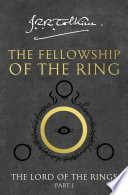
The Fellowship of the Ring (The Lord of the Rings, Book 1)
J.R.R. Tolkien


 Apple Books


 96 Min Reading Time
 Audio Version Available
About this book
In the idyllic Shire, young Frodo Baggins inherits more than just his cousin Bilbo's estate; he inherits the One Ring, an artifact of immense power sought by the Dark Lord Sauron. To save Middle-earth from descending into darkness, Frodo must embark on a perilous quest to destroy the Ring in the fires of Mount Doom. Guided by the wizard Gandalf, and joined by a fellowship of hobbits, elves, dwarves, and men, Frodo ventures into a world of ancient magic, mythical creatures, and looming shadows. Their courage will be tested, their bonds strained, and the fate of Middle-earth will hang in the balance as they confront the gathering forces of evil.
Summary of Key Ideas
- •
The Corrupting Power of the Ring
The Ring's corrupting influence is a central theme from the outset. The One Ring, containing a portion of Sauron's power, poses a constant threat. It corrupts those who desire to wield it, promising power but ultimately leading to their downfall. This is evident in Boromir's temptation and the Ring's effect on Gollum. The Ring's allure highlights the dangers of unchecked power and the internal struggle between good and evil within individuals. The narrative emphasizes that even those with good intentions can succumb to its seductive whispers, underscoring the importance of humility and resistance to temptation.
- •
Strength in Unity and Diversity
The Fellowship's journey underscores the strength found in unity and diverse skills. Formed from different races and backgrounds—hobbits, men, an elf, a dwarf, and a wizard—the Fellowship represents a collective effort against a common enemy. Each member brings unique abilities and perspectives, highlighting the idea that working together, despite differences, is essential for overcoming adversity. Their initial bond and commitment to protecting Frodo, even with internal tensions, displays the power of a unified front, before the group ultimately fractures under the weight of their task.
- •
The Heroism of the Ordinary
The book underscores the courage and resilience of seemingly ordinary individuals. Frodo, a simple hobbit, is entrusted with an extraordinary task. His journey highlights that courage is not the absence of fear, but the will to act despite it. Sam's unwavering loyalty and bravery, Merry and Pippin's growth from carefree hobbits to valorous companions, all exemplify how ordinary individuals can rise to meet extraordinary challenges. This theme resonates with the idea that heroism can be found in unexpected places and that even the smallest among us can make a significant difference.
- •
The Timeless Battle of Good vs. Evil
The constant struggle between good and evil forms the backbone of the narrative. Sauron's malevolence and desire for domination are starkly contrasted with the virtuous intentions of the Fellowship and the free peoples of Middle-earth. The choices made by characters, whether to resist or succumb to the Ring's allure, define their allegiance to either side. The moral ambiguity present in some characters, like Boromir, underscores the complexity of this conflict and the constant need to choose good over evil, even when the line is blurred.
- •
The Power of Kindness and Mercy
Tolkien emphasizes the profound impact of small acts of kindness and mercy. Bilbo's earlier mercy towards Gollum, though seemingly insignificant, sets in motion a chain of events that ultimately influences the quest's outcome. Gandalf's guidance and encouragement, Elrond's wisdom, and Galadriel's gifts demonstrate how acts of compassion and support can bolster hope in times of despair. These acts highlight the importance of empathy and the idea that even small gestures can have far-reaching consequences in the fight against darkness.
- •
The Importance of Nature and Preservation
The preservation of nature against the encroaching darkness and industrialization is a subtle yet important theme. The Shire, with its idyllic natural beauty, represents a world worth protecting from Sauron's destructive forces. The corruption of the forests and lands under Sauron's influence stands in stark contrast, emphasizing the importance of environmental stewardship. The Elves' deep connection to nature and their efforts to preserve its beauty further reinforce this theme, highlighting the value of harmony between civilization and the natural world.
- •
The Interplay of Fate and Free Will
Fate and free will intertwine throughout the story, raising questions about destiny versus choice. While prophecies and ancient lore suggest a predetermined path, characters constantly face decisions that shape their own destinies. Frodo's acceptance of the Ring, the Fellowship's commitment to the quest, and individual acts of bravery or betrayal demonstrate the power of choice in the face of fate. This interplay highlights the idea that while external forces may influence events, ultimately, individuals have the agency to determine their own course.
- •
The Enduring Power of Hope
The book showcases the enduring power of hope in the face of overwhelming darkness. Despite the grim circumstances and the daunting task ahead, the characters maintain a sense of optimism and belief in the possibility of victory. Gandalf serves as a beacon of hope, providing guidance and encouragement. The Fellowship's unwavering commitment to their mission, even when facing seemingly insurmountable odds, exemplifies the strength of hope in sustaining them through adversity. This theme emphasizes that even in the darkest times, hope can be a powerful force for good.
Chapter Recap

About The Author
J.R.R. Tolkien
Main Quotes
""I wish it need not have happened in my time," said Frodo."
""So do I," said Gandalf, "and so do all who live to see such times. But that is not for them to decide. All we have to decide is what to do with the time that is given us.""
"Not all those who wander are lost."
"I made a promise, Mr. Frodo. A promise. "Don't you leave him Samwise Gamgee." And I don't mean to."
"One Ring to rule them all, One Ring to find them, One Ring to bring them all and in the darkness bind them."
"It is not the strength of the body that counts, but the strength of the spirit."
"Even the smallest person can change the course of the future."
"All that is gold does not glitter,"
"Not all those who wander are lost;"
"The old that is strong does not wither,"
"Deep roots are not reached by the frost."
"Faithless is he that says farewell when the road darkens."
"The world is indeed full of peril, and in it there are many dark places; but still there is much that is fair, and though in all lands love is now mingled with grief, it grows perhaps the greater."
"You can trust us to stick to you through thick and thin – to the bitter end. And you can trust us to keep any secret of yours – closer than you keep it yourself."
Who Should Read This Book
Fans of fantasy literature
Readers interested in epic narratives and mythology
Individuals who enjoy world-building and immersive storytelling
Readers who appreciate themes of good versus evil, courage, and fellowship
Young adults and adults
Readers familiar with or interested in classic literature
People who enjoy adventure stories
Those interested in exploring themes of environmentalism and anti-industrialism
Readers looking for stories with strong moral and spiritual undertones
Fans of J.R.R. Tolkien's other works, such as *The Hobbit*
Readers who appreciate detailed descriptions and rich language
Individuals interested in historical linguistics and invented languages
Book Summaries Like
The Fellowship of the Ring (The Lord of the Rings, Book 1)

FAQ

Free Access to LitNotes