




 DISCORD
The Giver
Lois Lowry

 Amazon Best Sellers
 Barnes & Noble Bestsellers


 26 Min Reading Time
 Audio Version Available
About this book
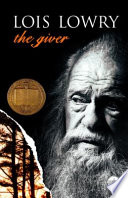
In a seemingly utopian world, devoid of pain and conflict, twelve-year-old Jonas is chosen for a unique destiny: to become the Receiver of Memories. Selected to learn from the Giver, the sole keeper of the community's collective past, Jonas begins to unravel the dark secrets of his fragile society. As he confronts the suppressed truths of joy, sorrow, and everything in between, Jonas faces a profound choice: accept the illusion of perfection or embrace the complexities of the real world, forever altering the course of his life and the future of his community.
Summary of Key Ideas
- •
Memory as the Foundation of Humanity
The Importance of Memory: The novel underscores the crucial role of memory in understanding emotions, making informed decisions, and connecting with the past. In the community, memories are suppressed to maintain societal control and eliminate pain, but this also deprives people of joy, love, and wisdom gained from experience. Jonas's training as the Receiver of Memory unveils the richness and complexity of human history, illustrating that a society without memory is shallow and unable to truly understand itself. This theme highlights the necessity of confronting both positive and negative aspects of the past to build a meaningful future.
- •
The Intertwined Nature of Pain and Pleasure
The Relationship Between Pain and Pleasure: "The Giver" explores how pain and pleasure are intertwined aspects of the human experience. The community's pursuit of Sameness aims to eliminate suffering, but in doing so, it also eradicates the capacity for deep joy and love. Jonas's exposure to memories reveals that true happiness cannot exist without the possibility of pain, loss, and grief. The novel challenges the notion that a life devoid of discomfort is necessarily a better life, suggesting that it is through experiencing the full spectrum of emotions that individuals gain depth, empathy, and a genuine appreciation for existence.
- •
Celebrating Individuality Against Conformity
The Value of Individuality: The community in "The Giver" prioritizes conformity and uniformity, suppressing individual expression and differences in favor of stability and control. This is achieved through various means, such as assigning roles at the Ceremony of Twelve and limiting personal choices. However, the novel champions the importance of individuality, highlighting how unique perspectives, talents, and emotions enrich society and prevent stagnation. Jonas's growing awareness of the world's lost colors, feelings, and experiences sparks a desire for change, illustrating how embracing individuality can lead to a more vibrant and fulfilling life, even if it comes with challenges.
- •
Utopia's Hidden Costs
The Dangers of a Utopian Society: The seemingly perfect society depicted in "The Giver" serves as a cautionary tale about the potential dangers of sacrificing freedom and individuality in the pursuit of utopia. While the community has eliminated war, poverty, and suffering, it has also eradicated genuine emotions, personal connections, and the ability to make meaningful choices. The novel suggests that a society that prioritizes control over freedom ultimately becomes sterile and dehumanizing. The lack of diversity and the suppression of history create a fragile and unsustainable environment, highlighting the importance of striking a balance between order and individual autonomy.
- •
The Power of Choice and Self-Determination
The Significance of Choice: In the community, most choices are made for the citizens to ensure stability and predictability. From assigned family units to predetermined career paths, individuals have little to no say in shaping their own lives. However, "The Giver" emphasizes the fundamental importance of choice in defining what it means to be human. Jonas's journey reveals that the ability to make decisions, even difficult ones, is essential for personal growth, moral development, and self-determination. The novel suggests that a life without choice is a life without meaning, as it deprives individuals of the opportunity to learn from their mistakes, pursue their passions, and forge their own identities.
- •
Embracing the Full Spectrum of Emotions
The Importance of Emotion: The community in "The Giver" suppresses emotions to maintain peace and order. However, the novel argues that emotions are essential for a full and meaningful human experience. As Jonas receives memories, he begins to understand the depth and complexity of feelings such as love, joy, sadness, and anger. These emotions, though sometimes painful, give life its richness and allow individuals to connect with one another on a deeper level. The novel suggests that a life without emotion is a hollow existence, devoid of empathy, compassion, and genuine human connection. By embracing the full spectrum of emotions, individuals can live more authentically and create a more compassionate world.
Chapter Recap

About The Author
Lois Lowry
Main Quotes
"The worst part of holding the memories is not the pain. It's the loneliness of it. Memories need to be shared."
"If everything's the same, then there aren't any choices!"
"It's the choosing that's important, isn't it?"
"What if they were allowed to choose ..."
"If you were to be lost in the river, Jonas, your memories would not be lost with you. Memories are forever."
"Of course they needed to care."
"The life where nothing was ever unexpected."
"But there was nothing left to do but continue"
"It was against the rules for children or adults to look at another's nakedness; but the rule did not apply to newchildren or the Old. Jonas was glad."
"Someone who lives for nothing is capable of anything, while someone dedicated to an ideal is vulnerable because they have something to lose."
Who Should Read This Book
Young adults (ages 12-18)
Readers interested in dystopian fiction
Middle grade readers
Educators looking for thought-provoking classroom material
Readers interested in themes of utopia, conformity, and individuality
Parents seeking books for their children that explore complex ethical issues
Readers who enjoy books that spark discussions about society and values
Book Summaries Like
The Giver



FAQ

Free Access to LitNotes