




 DISCORD
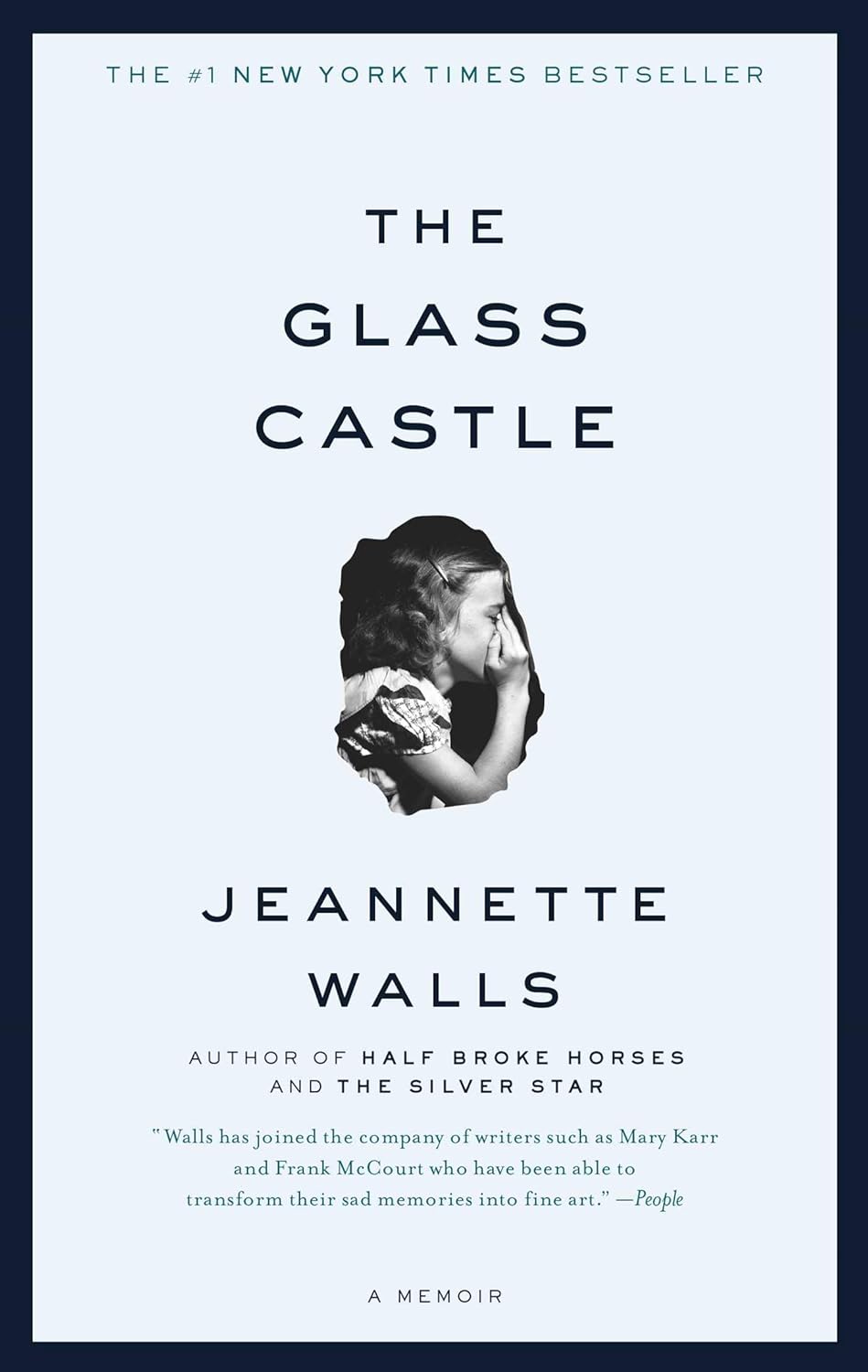
The Glass Castle
Jeannette Walls


 Amazon Best Sellers
 The New York Times Best Sellers


 75 Min Reading Time
 Audio Version Available
About this book
Jeannette Walls' The Glass Castle is a breathtaking memoir of a childhood defined by poverty and neglect, yet illuminated by fierce love and unwavering resilience. Raised by Rex, a charismatic but alcoholic father who dreamed of building a glass castle, and Rose Mary, an eccentric artist who abhorred domesticity, Jeannette and her siblings navigated a nomadic existence marked by both adventure and hardship. From scavenging for food to escaping dangerous situations, they learned to depend on each other, forging an unbreakable bond in the face of their parents' unconventional choices. Ultimately, Jeannette's journey is one of triumph. With grit and determination, she breaks free from her family's cycle of poverty, building a successful life on her own terms while grappling with complex emotions towards the flawed but unforgettable people who shaped her world. The Glass Castle is a testament to the enduring power of family, the importance of self-reliance, and the courage to create your own destiny.
Summary of Key Ideas
- •
The Harsh Realities of Poverty
The memoir vividly portrays a childhood marked by extreme poverty and instability. Jeannette and her siblings frequently face hunger, inadequate housing, and a lack of basic necessities. The family's nomadic lifestyle, driven by Rex's impulsiveness and inability to hold a job, prevents them from establishing roots or experiencing any sense of security. This constant struggle for survival shapes Jeannette's resourcefulness and determination to escape her circumstances. The early years are defined by both hardship and moments of unexpected joy and adventure, highlighting the complex nature of their unconventional upbringing.
- •
The Complex Figure of Rex Walls
Rex Walls, Jeannette's father, is a charismatic but deeply flawed individual. He is an intelligent and imaginative man who captivates his children with stories and grand plans, most notably the titular "Glass Castle." However, he is also an alcoholic and irresponsible parent who often neglects his children's needs and endangers their safety. His unpredictable behavior creates a chaotic and unstable environment for the family. Despite his flaws, Rex instills in Jeannette a sense of intellectual curiosity and a belief in her own potential, leaving a lasting impact on her life.
- •
Rose Mary's Unconventional Motherhood
Rose Mary Walls, Jeannette's mother, is an eccentric and artistic woman who prioritizes her passion for painting over her responsibilities as a parent. She often seems detached from the practical realities of life and unwilling to provide the stability and care that her children need. Rose Mary's self-absorption and refusal to conform to societal norms contribute to the family's нестандартный lifestyle. While she encourages her children's creativity and independence, her neglect often leaves them vulnerable and struggling to survive.
- •
The Power of Sibling Bonds
Despite the hardships they face, Jeannette and her siblings develop a strong bond of loyalty and support. They rely on each other for emotional and practical assistance, navigating their difficult childhood together. They learn to share resources, protect each other from harm, and provide the stability that their parents cannot. This sibling bond becomes a crucial source of strength and resilience, enabling them to cope with the challenges of their upbringing and ultimately escape the cycle of poverty and dysfunction.
- •
The Elusive Dream of the Glass Castle
The recurring dream of building a magnificent "Glass Castle" symbolizes both hope and illusion throughout the memoir. Rex's elaborate plans for the castle represent his desire to create a better future for his family, but they also serve as a distraction from their present struggles. The unfulfilled promise of the Glass Castle highlights the gap between Rex's grand ambitions and his inability to provide for his family's basic needs. As Jeannette grows older, she comes to realize that the Glass Castle is a false promise, representing the unattainable dreams and broken promises that defined her childhood.
- •
Overcoming Adversity and Building a New Life
Jeannette's journey is a testament to the power of resilience and determination. Despite the numerous obstacles she faces, she refuses to be defined by her circumstances. She works hard to excel in school, save money, and ultimately escape her impoverished background. Her success in building a new life for herself in New York City demonstrates her unwavering commitment to breaking the cycle of poverty and creating a better future. Jeannette's story is an inspiring example of how individuals can overcome adversity and achieve their goals, even in the face of seemingly insurmountable challenges.
- •
The Complexities of Family and Forgiveness
The memoir explores the complex dynamics of family and the challenges of unconditional love. Despite their parents' flaws and shortcomings, Jeannette and her siblings maintain a sense of loyalty and affection towards them. They struggle to reconcile their love for their parents with the pain and neglect they experienced as children. The book raises questions about the limits of forgiveness and the enduring power of family bonds, even in the face of dysfunction and hardship. Jeannette's eventual acceptance of her parents, despite their flaws, highlights the complexities of familial relationships.
- •
Social Class and the Cycle of Poverty
The book subtly examines the theme of social class and the impact of poverty on individuals and families. The Walls family's marginalized status and constant struggle for survival highlight the systemic inequalities that exist in society. Jeannette's eventual escape from poverty and her assimilation into a different social class raise questions about identity, belonging, and the challenges of navigating different worlds. The memoir offers a nuanced perspective on the human cost of poverty and the importance of opportunity and social mobility.
- •
Fostering Independence and Self-Reliance
Jeannette's upbringing, while unconventional and often chaotic, fosters a sense of independence and self-reliance. Her parents, despite their flaws, encourage their children to think for themselves, question authority, and pursue their own interests. This unconventional education, though lacking in structure and stability, equips Jeannette with the skills and confidence to navigate the world on her own terms. She learns to adapt to challenging situations, solve problems creatively, and rely on her own resourcefulness. This early training proves invaluable as she embarks on her journey to build a new life.
Chapter Recap

About The Author
Jeannette Walls
Jeannette Walls is a writer and journalist. Born in Phoenix, Arizona, she graduated with honors from Barnard College, the women's college affiliated with Columbia University.
Main Quotes
"Things usually work out in the end."
"What if they don't?"
"That just means you haven't come to the end yet."
"You should never hate anyone, even your worst enemies. Everyone has something good about them. You just have to find it and focus on that."
"“Never did he allow us to forget that he was in the process of building us a glass castle.”"
"If you don't want to sink, you better figure out how to swim."
"Once you leave this house, you'll have to get a thick skin."
"I was on fire."
"“One of the hardest things you will ever have to do is grieve the loss of a person who is still alive.”"
"“Life is a drama full of tragedy and comedy. You should learn to enjoy the comic episodes a little more.”"
"We were always in motion."
"That was the thing about the hospital. You never really left."
Who Should Read This Book
Readers interested in memoirs and autobiographies
Individuals interested in stories about overcoming adversity and resilience
Readers interested in dysfunctional family dynamics
Those who enjoy stories about poverty, survival, and unconventional upbringings
People interested in social issues and social commentary
Book clubs and discussion groups
Students in high school and college, particularly those studying literature, sociology, or psychology
Readers who appreciate strong female voices and coming-of-age stories
Individuals who enjoy redemptive narratives and personal transformation
Those interested in stories set in West Virginia and the American Southwest
Book Summaries Like
The Glass Castle


FAQ

Free Access to LitNotes