




 DISCORD
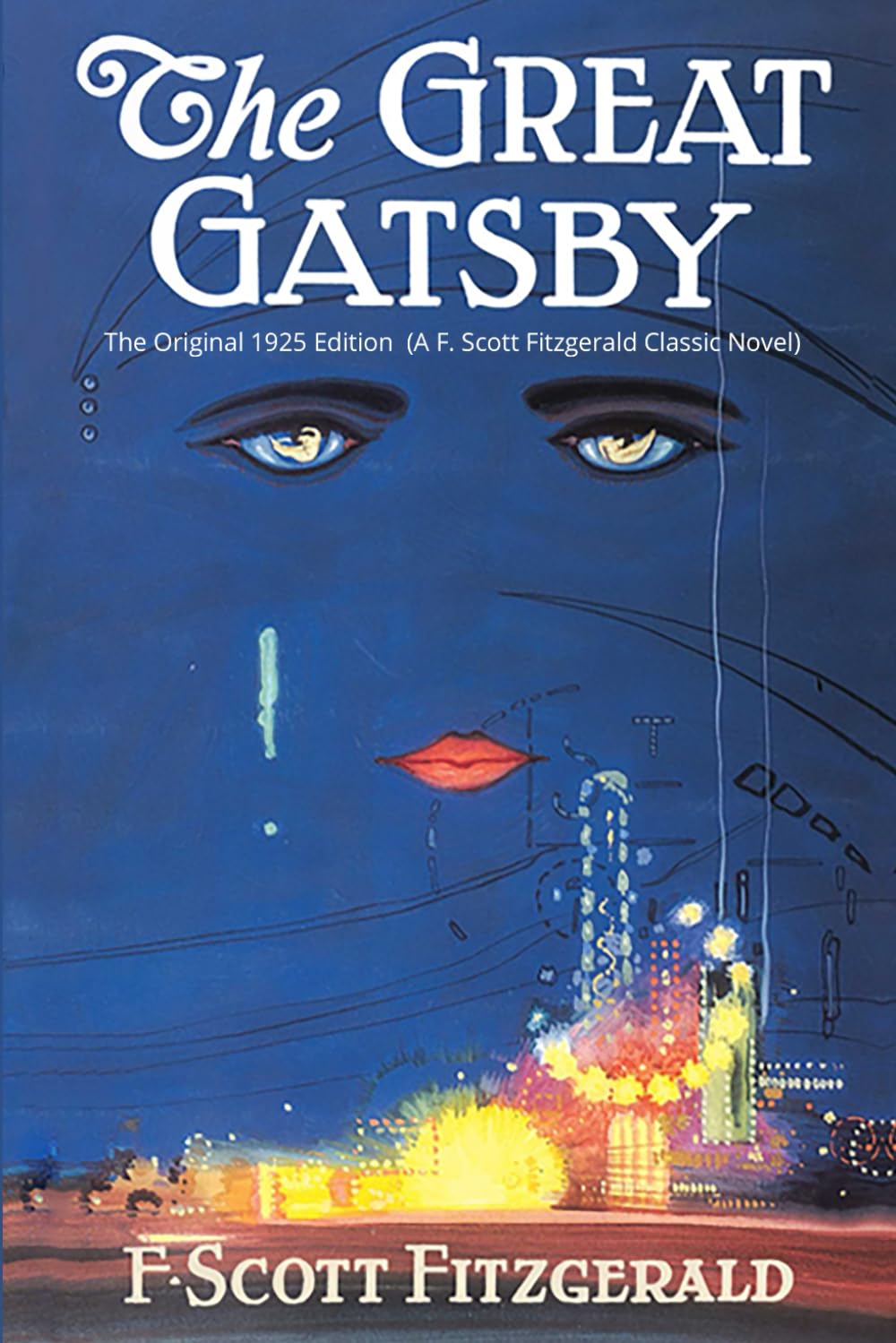
The Great Gatsby
F. Scott Fitzgerald


 Amazon Best Sellers
 Barnes & Noble Bestsellers


 31 Min Reading Time
 Audio Version Available
About this book
In the dazzling, decadent world of the Roaring Twenties, a self-made millionaire named Jay Gatsby throws extravagant parties in his Long Island mansion, all in pursuit of a singular, elusive dream: to recapture the past and win back the love of the beautiful Daisy Buchanan. Narrated through the eyes of Nick Carraway, The Great Gatsby unveils a tragic love story set against a backdrop of jazz, wealth, and moral decay, exploring themes of ambition, illusion, and the unattainable nature of the American Dream. A timeless masterpiece, F. Scott Fitzgerald's novel captures the glittering facade and profound disillusionment of an era, forever immortalizing the pursuit of love and the elusive promise of the green light.
Summary of Key Ideas
- •
The Corrupted American Dream
The American Dream's elusive nature is central to the novel. Gatsby embodies the dream's pursuit, believing that wealth can bring him happiness and Daisy's love. However, his dream is corrupted by materialism and dishonest means, illustrating that the idealized vision of upward mobility and success is often unattainable and morally compromised. The novel critiques the roaring twenties' obsession with wealth and status, revealing the emptiness and disillusionment that lie beneath the surface of extravagance. Gatsby's tragic fate underscores the impossibility of fully realizing the American Dream in a society obsessed with superficiality and social class.
- •
The Illusion of the Past
Gatsby's relentless pursuit of Daisy represents the human desire to recapture the past. He idealizes their past romance, believing that he can recreate it perfectly. However, the past is irretrievable, and Daisy is not the woman he remembers. This obsession with the past blinds Gatsby to the reality of the present and ultimately leads to his downfall. The novel suggests that clinging to idealized memories is a dangerous and ultimately futile endeavor, as the past can never truly be replicated.
- •
Social Stratification and Inequality
The stark contrast between the wealthy elite and the less privileged is a recurring theme. The opulent parties at Gatsby's mansion highlight the extravagance and excess of the wealthy, while the Valley of Ashes symbolizes the moral and social decay resulting from unchecked industrial growth and the widening gap between the rich and the poor. Characters like George Wilson represent the forgotten and exploited members of society who suffer the consequences of the wealthy's carelessness and indifference. This social divide fuels the tragedy and exposes the inequalities inherent in the American social structure.
- •
The Destructive Nature of Love
Love and relationships in "The Great Gatsby" are portrayed as complex and often destructive. Gatsby's idealized love for Daisy is built on illusion and unattainable expectations. Daisy's choice to stay with Tom, despite her fleeting feelings for Gatsby, reveals her shallow and pragmatic nature. The novel explores the destructive power of infidelity, the superficiality of relationships based on wealth and status, and the difficulty of finding genuine connection in a society driven by materialism. Ultimately, love becomes another casualty of the corrupted American Dream.
- •
Moral Decay in the Roaring Twenties
The roaring twenties are depicted as a time of moral decay and superficiality. The excessive parties, illegal activities, and reckless behavior of the wealthy characters highlight the loss of traditional values and the pursuit of pleasure above all else. The novel critiques the moral bankruptcy of a society obsessed with wealth, status, and superficial appearances. Characters like Tom and Daisy Buchanan represent the careless and irresponsible elite who are shielded from the consequences of their actions by their wealth and social standing, contributing to the overall sense of moral decline.
- •
The Corrupting Influence of Wealth
Wealth and materialism are presented as both alluring and destructive forces. Gatsby believes that wealth can buy him happiness and Daisy's love, but his pursuit of riches ultimately leads to his downfall. The novel exposes the emptiness and superficiality of a society obsessed with material possessions. Characters like Tom Buchanan use their wealth to exert power and control over others, highlighting the corrupting influence of money. Ultimately, the novel suggests that true happiness cannot be found in material wealth alone, and that the pursuit of riches can lead to moral compromise and tragedy.
Chapter Recap

About The Author
F. Scott Fitzgerald
Main Quotes
"So we beat on, boats against the current, borne back ceaselessly into the past."
"Whenever you feel like criticizing anyone, just remember that all the people in this world haven't had the advantages that you've had."
"There are only the pursued, the pursuing, the busy and the tired."
"Reserving judgments is a matter of infinite hope."
"I hope she'll be a fool—that's the best thing a girl can be in this world, a beautiful little fool."
"You can't repeat the past."
"Why of course you can!"
"Can't repeat the past? Why of course you can! I am going to fix everything just the way it was before."
"He had come a long way to this blue lawn and his dream must have seemed so close that he could hardly fail to grasp it."
"I wouldn't ask too much of her," I ventured. "You can't repeat the past." "Can't repeat the past?" he cried incredulously. "Why of course you can!""
"Let us learn to show our friendship for a man when he is alive and not after he is dead."
Who Should Read This Book
Readers of classic American literature
Students and educators studying American literature, the Jazz Age, or the Roaring Twenties
Readers interested in themes of wealth, class, love, and the American Dream
Fans of F. Scott Fitzgerald
Individuals interested in historical fiction set in the 1920s
Readers who enjoy stories with tragic romance and social commentary
Book clubs and discussion groups
Book Summaries Like
The Great Gatsby
FAQ

Free Access to LitNotes