




 DISCORD
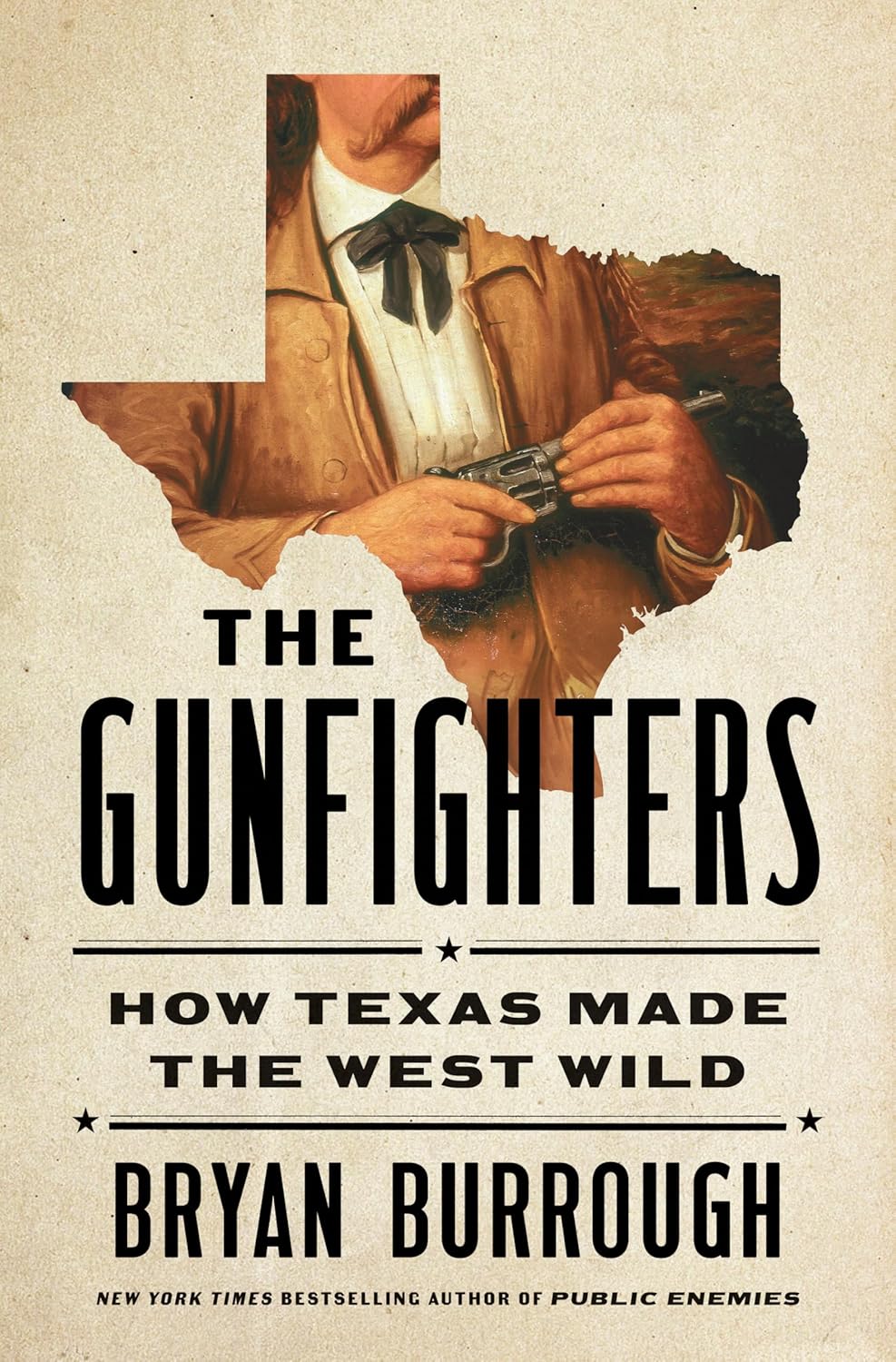
The Gunfighters
Bryan Burrough


 Apple Books


 79 Min Reading Time
 Audio Version Available
About this book
“One hell of a good read.” — The New York Times “One of the most important books written on the American West in many years.” — True West Magazine From the New York Times bestselling author of The Big Rich and Forget the Alamo comes an epic reconsideration of the time and place that spawned America’s most legendary gunfighters, from Jesse James and Billy the Kid to Butch and Sundance The “Wild West” gunfighter is such a stock figure in our popular culture that some dismiss it all as a corny myth, more a product of dime novels and B movies than a genuinely important American history. In fact, as Bryan Burrough shows us in his dazzling and fast-paced new book, there’s much more below the surface. For three decades at the end of the 1800s, a big swath of the American West was a crucible of change, with the highest murder rate per capita in American history. The reasons behind this boil down to one word: Texas. Texas was born in violence, on two fronts, with Mexico to the south and the Comanche to the north. The Colt revolver first caught on with the Texas Rangers. Southern dueling culture transformed into something wilder and less organized in the Lone Star State. The collapse of the Confederacy and the presence of a thin veneer of Northern occupiers turned the heat up further. And the explosion in the cattle business after the war took that violence and pumped it out from Texas across the whole of the West. The stampede of longhorn cattle brought with it an assortment of rustlers, hustlers, gamblers, and freelance lawmen who carried a trigger-happy honor culture into a widening gyre, a veritable blood meridian. When the first newspapermen and audiences discovered what good copy this all was, the flywheel of mythmaking started spinning. It’s never stopped. The Gunfighters brilliantly sifts the lies from the truth, giving both elements their due. And the truth is sufficiently wild for any but the most unhinged tastes. All the legendary figures are here, and their escapades are told with great flair—good, bad, and ugly. Like all great stories, this one has a rousing end—as the railroads and the settlers close off the open spaces for good, the last of the breed, Butch Cassidy and the Sundance Kid, really do get on a boat for South America, ending their era in a blaze of glory. Burrough knits these histories together into something much deeper and more provocative than simply the sum of its parts. To understand the truth of the Wild West is to understand a crucial dimension of the American story.
Summary of Key Ideas
- •
Deconstructing the Gunfighter Myth
The romanticized image of the gunfighter, popularized by dime novels and early Western films, is largely a myth. Burrough seeks to dismantle these glorified portrayals, revealing the gunfighters as often brutal, flawed, and motivated by self-interest rather than any sense of justice or honor. The book delves into the historical context to separate fact from fiction, showcasing how the image of the gunfighter was constructed and perpetuated, often at the expense of historical accuracy. This deconstruction is central to understanding the true nature of violence in the Old West.
- •
Texas as the Crucible of the Gunfighter Era
Texas played a pivotal role in shaping the era of the gunfighter. The state's unique history, including its independence, frontier environment, and the aftermath of the Civil War, created a breeding ground for violence and lawlessness. The book emphasizes how the specific conditions in Texas—political instability, economic hardship, and a culture of settling disputes with weapons—contributed to the rise of gunfighters and the prevalence of gunfights. This Texan context is crucial for understanding why the gunfighter image became so deeply ingrained in American culture.
- •
Economic and Social Drivers of Gunfighter Life
The book explores the economic and social factors that drove individuals to become gunfighters. Often, these men were driven by poverty, lack of opportunity, or a desire for fame and notoriety. Burrough examines how the allure of quick money, whether through cattle rustling, gambling, or serving as hired guns, motivated many to embrace a life of violence. The social dynamics of the time, including the breakdown of traditional authority and the prevalence of vigilante justice, further contributed to the appeal of the gunfighter lifestyle.
- •
The Brutal Reality of Gunfights
Burrough meticulously documents numerous gunfights, providing detailed accounts of the events, the individuals involved, and the aftermath. These accounts serve to illustrate the brutal reality of these encounters, often dispelling the romanticized notions of quick-draw duels and honorable showdowns. The book highlights the chaotic and often unglamorous nature of these events, emphasizing the fear, desperation, and sheer luck that often determined the outcome. By presenting these raw, unvarnished accounts, Burrough challenges the sanitized versions of gunfights prevalent in popular culture.
- •
The Making of Gunfighter Legends
Many gunfighters, such as Wild Bill Hickok, Wyatt Earp and others achieved legendary status, but Burrough's research often reveals a gap between their real lives and their manufactured personas. The author highlights how these figures were often complicit in creating their own legends, exaggerating their exploits and cultivating a public image of bravery and skill. The book looks at the role of the press and popular culture in perpetuating these myths, transforming flawed individuals into iconic heroes. The book seeks to separate the man from the myth and show the real person.
- •
The Enduring Legacy of the Gunfighter Image
The book explores how the gunfighter image has evolved and persisted in American culture, from dime novels and Wild West shows to Hollywood films and television. Burrough analyzes how these portrayals have shaped our understanding of the Old West and the role of violence in American history. By tracing the evolution of the gunfighter archetype, the book sheds light on the enduring appeal of this figure and its continued influence on our national identity. It analyzes how the gunfighter is a symbol of American individualism, frontier justice, and the ongoing tension between law and lawlessness.
Chapter Recap

About The Author
Bryan Burrough
Main Quotes
"The Old West mesa or a mountainside and a lonely guy with a gun. It's just iconic portraiture."
"The truth of the Wild West is to understand a crucial dimension of the American story."
"It is a reminder that we are selective in our historical narratives."
"The hyper-violent ethos of the postwar frontier first rose in Texas."
"To understand the truth of the Wild West is to understand a crucial dimension of the American story."
"It is a reminder that we are selective in our historical narratives."
"The Texas Rangers were not always the good guys."
"Wyatt Earp's story is more complex than the legend."
"The gunfighters were often products of their environment."
"The romanticized version of the Wild West obscures the reality of violence and hardship."
Who Should Read This Book
Readers interested in American history, particularly the Wild West era
Fans of Bryan Burrough's previous books
Readers of non-fiction books about Texas history
Individuals interested in true crime and the history of violence
History buffs interested in the myths and realities of famous gunfighters
Readers who enjoy books that debunk historical legends
Adult readers interested in American West history
Book Summaries Like
The Gunfighters

FAQ

Free Access to LitNotes