




 DISCORD
The Guns at Last Light
Rick Atkinson


 Goodreads Choice Awards
 Apple Books


 201 Min Reading Time
 Audio Version Available
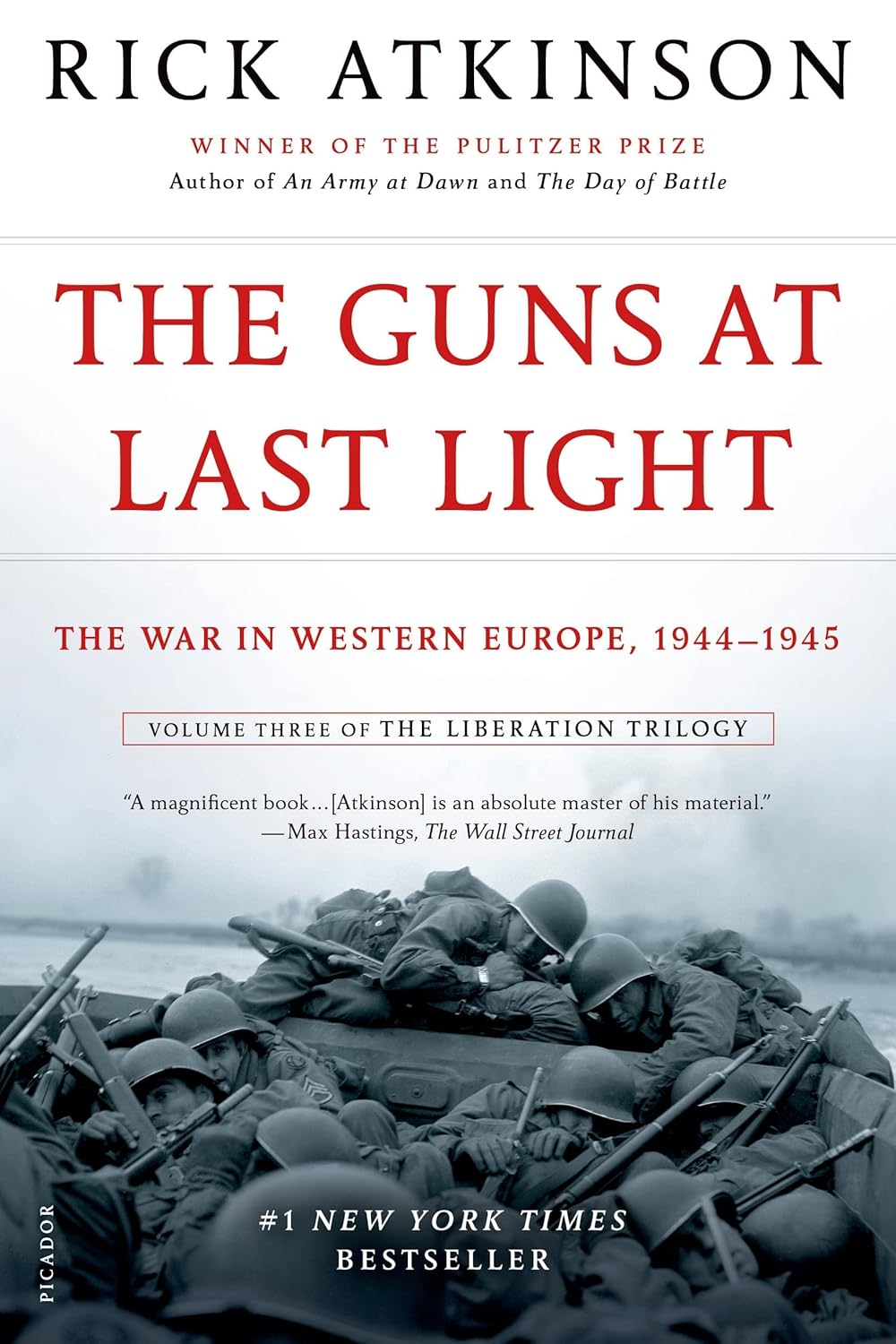
About this book
The #1 New York Times bestseller and the crowning achievement of Rick Atkinson's Liberation Trilogy, The Guns at Last Light delivers a gripping narrative of the Allied triumph in Europe during World War II. From the beaches of Normandy to the heart of the Third Reich, Atkinson masterfully recounts the epic battles, strategic gambles, and devastating sacrifices that defined the final act of the war.
Experience the brutal reality of D-Day, the liberation of Paris, the disastrous Operation Market Garden, and the desperate struggle of the Battle of the Bulge through the eyes of presidents, generals, soldiers, and civilians. With meticulous research and vivid prose, Atkinson unveils new perspectives on these historic events, revealing the staggering cost and immense effort required to defeat Hitler and secure freedom for the West. The Guns at Last Light is a definitive and unforgettable chronicle of courage, sacrifice, and the ultimate victory.
Summary of Key Ideas
- •
A Comprehensive Chronicle of Liberation
The book meticulously chronicles the Allied campaign in Western Europe from D-Day to the war's end, emphasizing the strategic and tactical complexities involved in liberating the continent from Nazi occupation. Atkinson details the immense logistical challenges, the brutal fighting conditions, and the constant struggle against a determined enemy. He paints a vivid picture of the war's progression through key battles and campaigns, capturing the scale and intensity of the conflict.
- •
Leadership Under Fire
Atkinson provides unflinching portraits of the key military leaders on both sides, revealing their strengths, weaknesses, and the impact of their decisions on the course of the war. From Eisenhower and Patton to Montgomery and Rommel (though the latter is only mentioned due to his death before the events in the book), the book examines how their leadership styles, strategic thinking, and personal ambitions influenced the Allied effort. The narrative also explores the relationships and tensions between these leaders, highlighting the challenges of coalition warfare.
- •
The Human Cost of War
The book delves into the experiences of ordinary soldiers, capturing the human cost of war through their stories of courage, sacrifice, and resilience. Atkinson portrays the brutal realities of combat, the psychological toll on the troops, and the bonds of camaraderie that helped them endure. By focusing on individual experiences, the book personalizes the grand narrative of the war, making it more relatable and emotionally resonant.
- •
The Complexities of Coalition
Atkinson highlights the crucial role of coalition warfare in the Allied victory, examining the challenges and complexities of coordinating military operations among different nations with their own agendas and priorities. The book reveals the tensions and disagreements that arose between the Allied powers, particularly between the Americans and the British, and how these differences were ultimately overcome to achieve a common goal. It shows how vital cooperation was despite cultural and strategic differences.
- •
The Decisive Role of Air Power
The narrative explores the strategic importance of air power in the Allied campaign, demonstrating how control of the skies provided a decisive advantage. Atkinson details the impact of Allied bombing campaigns on German infrastructure and war production, as well as the role of air support in ground operations. The book also examines the challenges of coordinating air and ground forces and the controversies surrounding the use of air power, especially in relation to civilian casualties.
- •
Moral Ambiguities and Ethical Dilemmas
Atkinson addresses the ethical dilemmas and moral ambiguities of war, particularly the challenges of fighting a total war against a ruthless enemy. The book examines the difficult decisions faced by commanders and soldiers in situations where civilian lives were at risk, and it explores the moral compromises that were sometimes necessary to achieve military objectives. The narrative does not shy away from depicting the darker aspects of the war, including instances of brutality and misconduct on both sides.
- •
The Impact on Civilians
The book underscores the devastating impact of the war on the civilian population of Europe, who endured years of occupation, bombing, and displacement. Atkinson describes the suffering and resilience of ordinary people caught in the crossfire, as well as the challenges of providing humanitarian assistance in the aftermath of the fighting. The narrative highlights the importance of liberating not just territory but also the people who had been oppressed by Nazi rule, emphasizing the long road to recovery and reconciliation.
Chapter Recap

About The Author
Rick Atkinson
Lawrence Rush "Rick" Atkinson IV is an American author who has won Pulitzer Prizes in history and journalism. After working as a newspaper reporter, editor, and foreign correspondent for The Washington Post, Atkinson turned to writing military history. His six books include narrative accounts of four different American wars. His Liberation Trilogy, a history of the American role in the liberation of Europe in World War II, concluded with the publication of The Guns at Last Light in May 2013. In 2010, he received the $100,000 Pritzker Military Library Literature Award for Lifetime Achievement in Military Writing. - Wikipedia
Main Quotes
"The war… was a hydra. For every atrocity exposed, two more flourished in the dark."
"There is only one thing worse than fighting with allies, and that is fighting without them."
"War is not courtesy but the most horrible thing in life."
"For the rest of his life, George Patton would carry shrapnel in his body and the war in his soul."
"History is a merciless judge. It lays bare our tragic blunders and foolish conceits, and it mocks our most cherished illusions."
"The supreme quality for leadership is unquestionably integrity. Without it, no real success is possible."
"To command is to serve, nothing more and nothing less."
"Soldiers seldom win wars, generals too often do."
"The English never draw a sword without之后之后之后之后之后之后之后之后之后之前之后之后之前之前之前之前之前之后之前之后之后之前之前之后之后之前之前之前之前之后之后之前之后之后之前之前之前之前之后之后之前之后之前之前之前之前之后之前之前之前之后之前之前之前之前之后之前之前之前之前之前之前之前之后之前之前之后之前之前之前之前之后之前之前之后之前之前之后之前之后之前之后之后之前之前之后之后之前之前之前之前之前之后之前之后之前之前之后之后之前之后之前之前之后之后之前之后之前之前之前之后之前之前之后之前之后之后之后之前之后之后之前之前之后之前之后之前之前之后之后之后之后之前之前之后之前之后之前之前之后之前之前之后之前之后之前之后之前之前之前之后之后之后之后之前之后之后之后之后之前之后之后之前之后之前之后之前之后之后之后之前之后之后之后之前之后之后之后之后之前之前之后之后之前之后之后之后之前之后之后之后之前之后之前之后之前之后之后之后之前之后之后之前之后之后之后之后之后之前之后之后之后之前之后之后之后之前之后之后之后之后之前之后之后之后之后之后之后之后之后之后之后之后之前之后之后之后之后之前之后之后之前之后之前之后之前之后之后之前之后之后之后之前之前之前之前之前之前之后之前之前之前之后之前之前之后之前之前之后之后之后之前之后之后之前之后之前之前之后之前之前之后之后之后之后之前之前之后之后之前之前之后之前之前之前之后之前之后之前之前之后之后之前之后之前之后之前之后之后之前之前之后之前之后之前之后之前之后之后之后之前之后之后之前之后之后之后之前之前之前之前之后之后之前之后之前之后之前之后之前之前之后之前之前之前之前之前之后之前之后之前之后之前之后之前之后之后之前之前之后之后之后之后之后之前之后之前之后之前之前之后之前之后之前之后之后之前之后之前之前之后之前之后之前之后之后之前之后之前之前之前之前之前之前之后之前之前之后之后之后之前之后之后之后之前之后之前之后之前之后之前之前之前之后之后之后之后之前之后之后之前之前之前之后之后之前之前之前之前之前之前之前之后之前之前之后之后之后之前之后之前之后之后之前之前之前之后之前之后之前之后之前之前之前之前之前之前之前之前之前之后之前之后之前之前之前之后之后之前之后之前之前之前之前之前之前之后之后之前之后之前之后之前之后之前之后之前之前之后之后之前之后之后之前之后之后之前之后之后之前之后之后之后之前之后之后之前之后之后之前之后之后之前之后之后之前之后之后之前之后之后之后之前之后之后之前之后之后之前之后之后之后之前之后之后之前之后之后之前之后之后之前之后之后之前之后之后之前之后之后之前之后之后之前之后之后之前之后之后之前之后之后之前之后之后之前之后之后之前之后之后之前之后之后之前之后之后之前之后之后之前之后之后之前之后之后之前之后之后之前之后之后之前之后之后之前之后之后之前之后之后之前之后之后之前之后之后之前之后之后之前之后之后之前之后之后之前之后之后之前之后之后之前之后之后之前之后之后之前之后之后之前之后之后之前之后之后之前之后之后之前之后之后之前之后之后之前之后之后之前之后之后之前之后之后之前之后之后之前之后之后之前之后之后之前之后之后之前之后之后之前之后之后之前之后之后之前之后之后之前之后之后之前之后之后之前之后之后之前之后之后之前之后之后之前之后之后之前之后之后之前之后之后之前之后之后之前之后之后之前之后之后之前之后之后之前之后之后之前之后之后之前之后之后之前之后之前之后之后之前之后之后之前之后之后之前之后之后之前之后之后之前之后之后之前之后之后之前之后之后之前之后之后之前之后之后之前之后之后之前之后之后之前之后之后之前之后之前之后之后之前之后之后之前之后之前之后之后之前之后之后之前之后之后之前之后之前之后之后之前之后之后之前之后之后之前之后之前之后之前之后之后之前之后之后之前之后之前之后之前之后之后之前之后之后之前之后之后之前之后之后之前之后之后之前之后之前之后之前之后之后之前之后之后之前之后之后之前之后之后之前之后之后之前之后之后之前之后之后之前之后之后之前之后之后之前之后之后之前之后之后之前之后之后之前之后之后"
Who Should Read This Book
Readers of military history, particularly World War II enthusiasts
Readers interested in the European theater of World War II
Those who enjoy detailed, narrative-driven historical accounts
Readers of Rick Atkinson's previous books in the Liberation Trilogy
Readers seeking a comprehensive account of the Allied campaign in Western Europe from D-Day to victory
History buffs interested in political and strategic aspects of WWII, as well as the experiences of soldiers
Individuals interested in leadership studies and military strategy
Readers who appreciate meticulously researched and well-written history books
Those with an interest in the social and cultural aspects of warfare
Readers looking for a book that provides a broad overview of the war as well as personal stories.
Book Summaries Like
The Guns at Last Light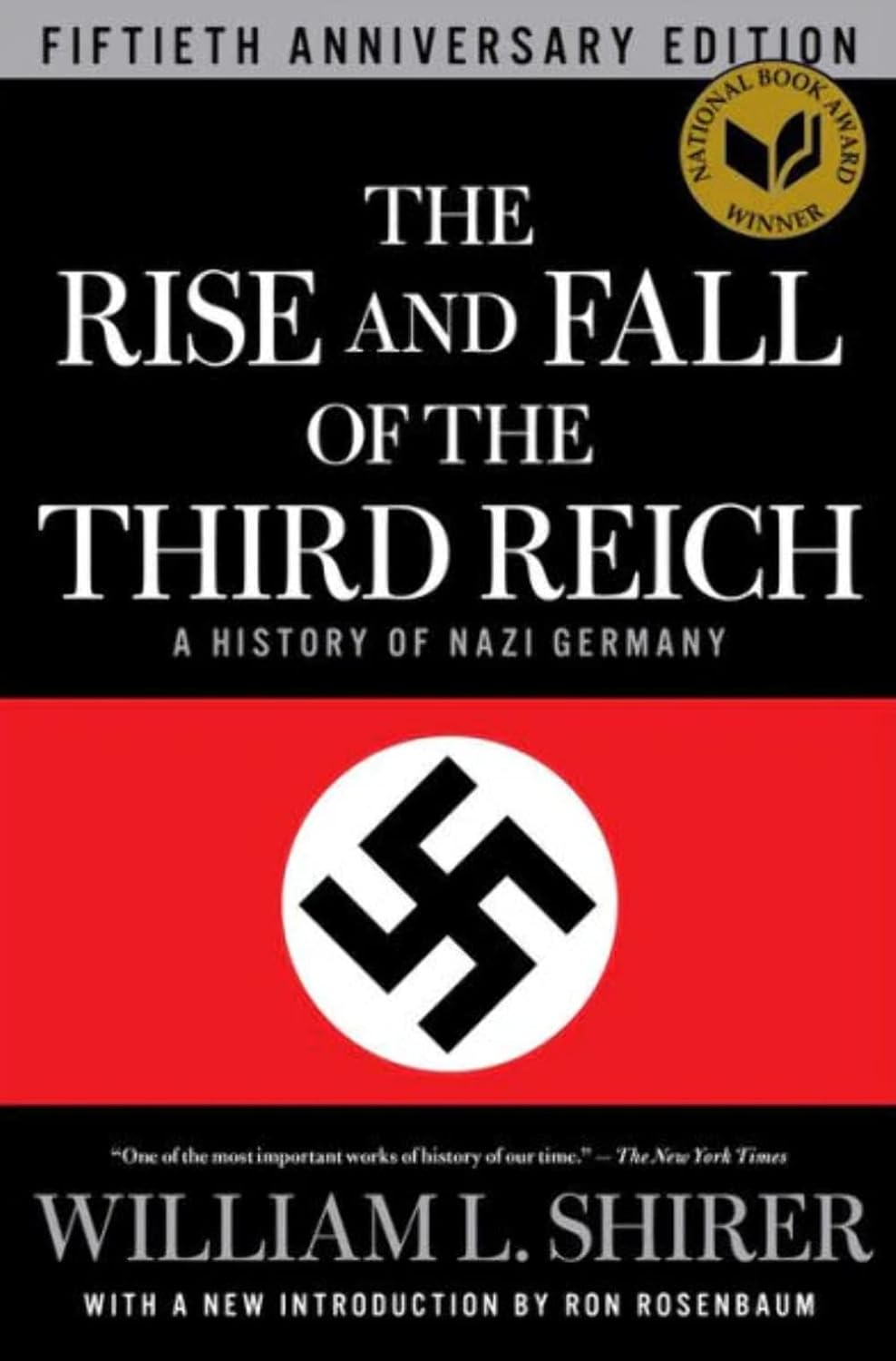
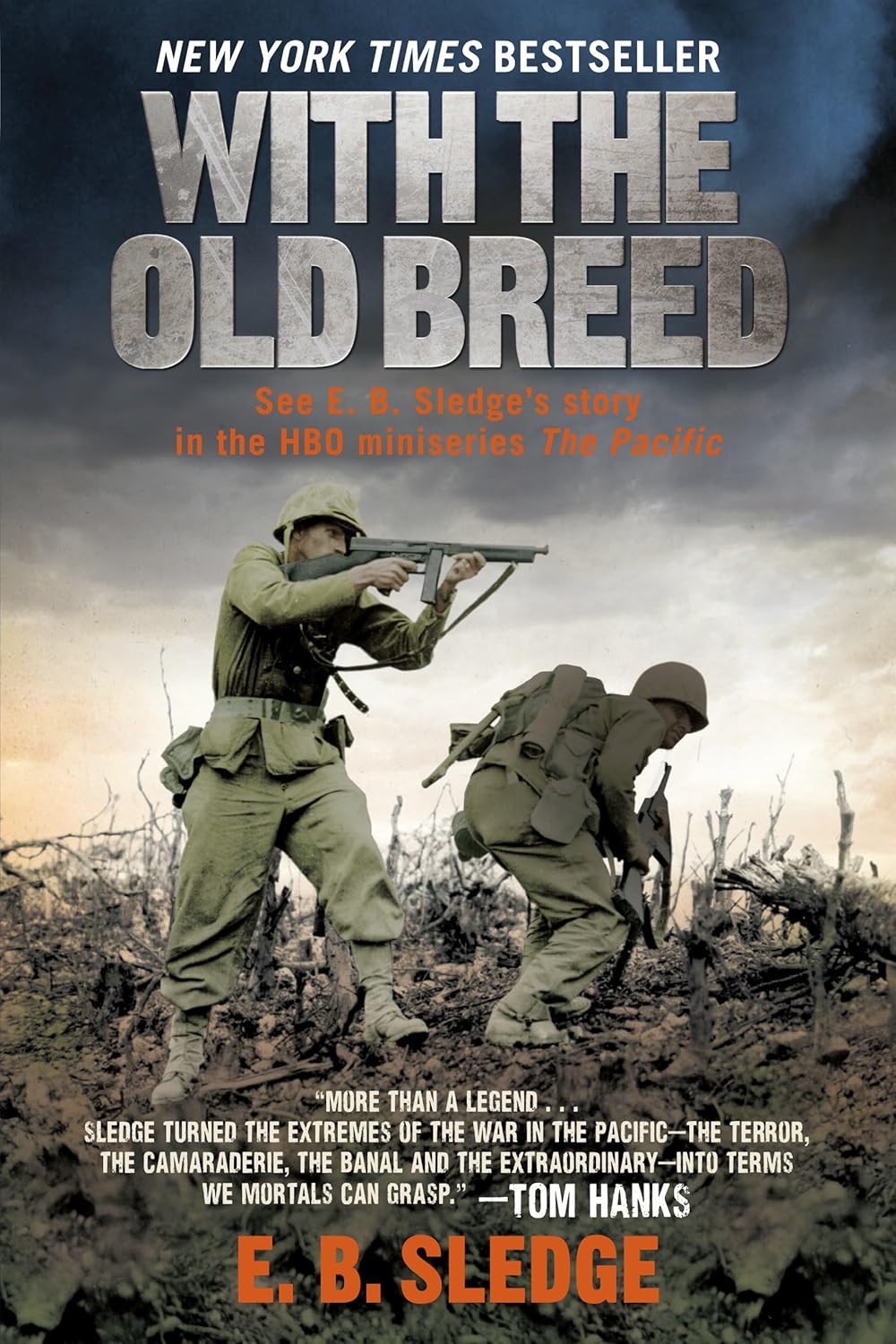
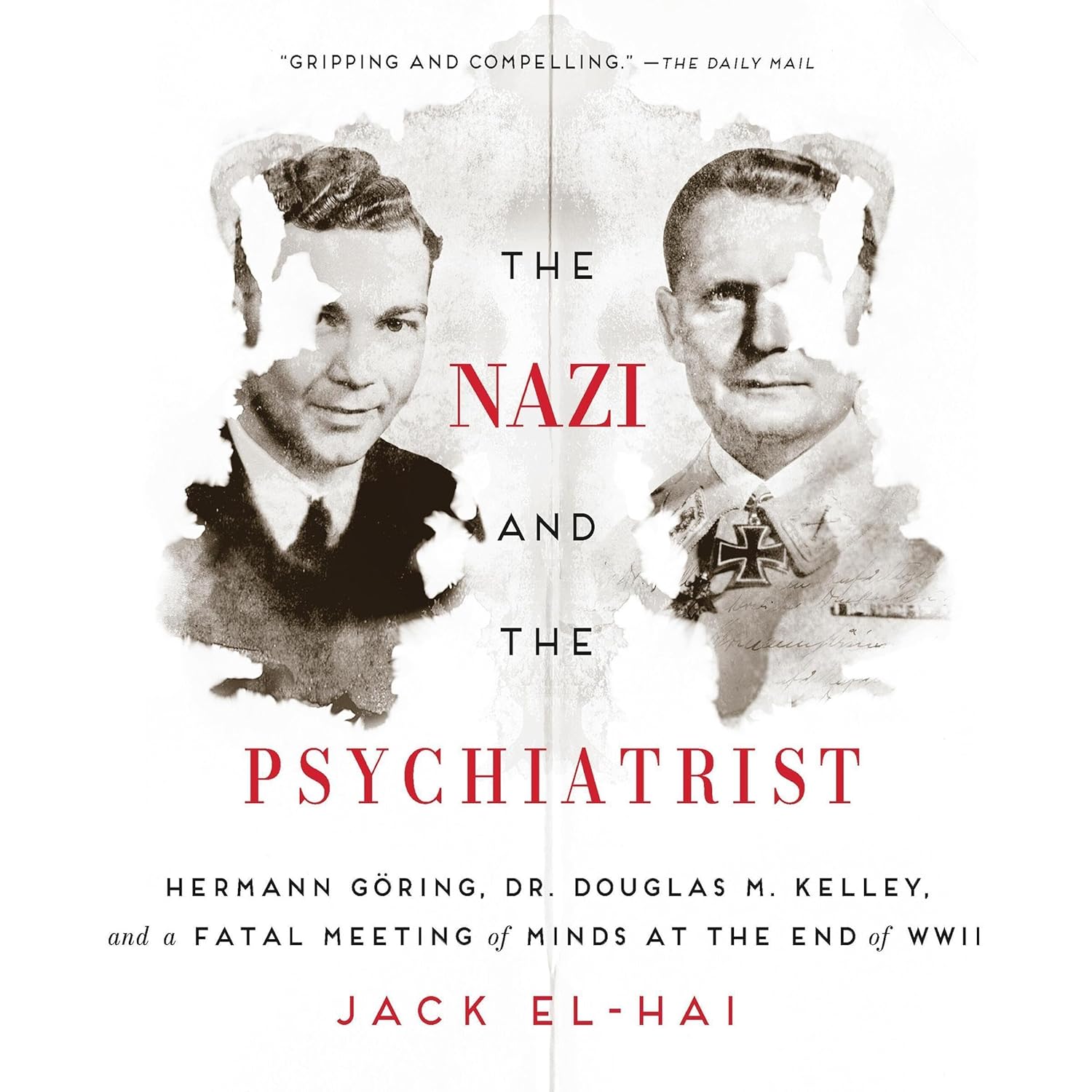
FAQ

Free Access to LitNotes