




 DISCORD
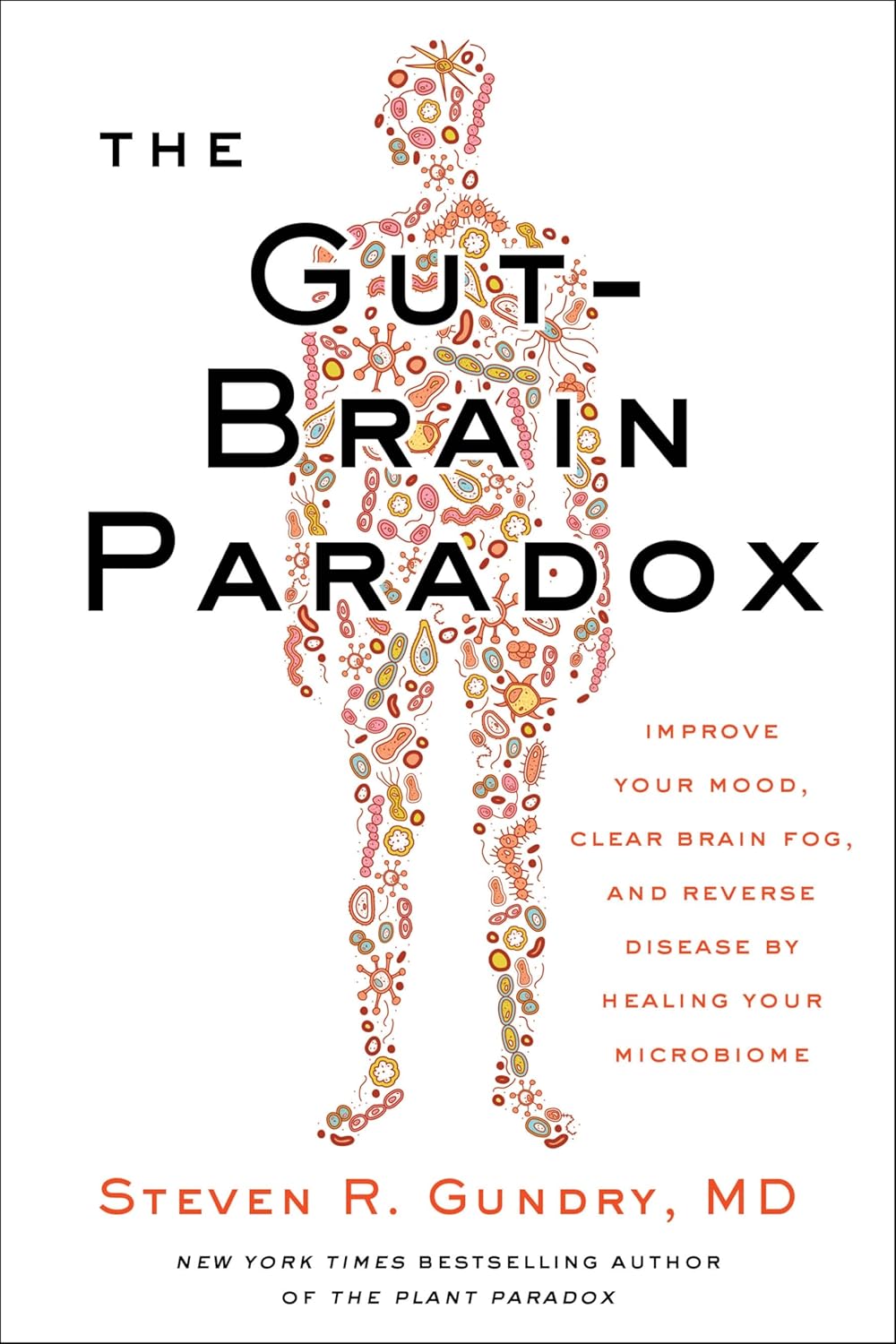
The Gut-Brain Paradox
Dr. Steven R. Gundry, MD


 Apple Books


 48 Min Reading Time
 Audio Version Available
About this book
Dr. Steven R. Gundry, the New York Times bestselling author of the groundbreaking Plant Paradox series, shares compelling evidence that our gut microbiome is driving our thoughts, feelings, behaviors, and our mental, emotional, and neuronal health — and shows us how to heal our microbiomes to take back control of our minds. In his previous bestselling books, Steven R. Gundry taught readers how to reverse disease and improve health and well-being by preventing and repairing leaky gut. In The Gut-Brain Paradox , he delves even more deeply into the mysterious and long misunderstood world of the human microbiome. Here Dr. Gundry uncovers the complex and multifaceted ways in which our microbes are controlling the health and functioning of our brains, and how the gut-brain connection is made long before we are even born. The Gut-Brain Paradox shines a fascinating light on how the one-two punch of leaky gut and gut dysbiosis, together driven by western diets, overuse of antibiotics and other medications, and environmental toxins allow pathogenic bacteria to take over. These “bad bugs” cause inflammation and hijack the intricate messaging systems that run from the gut to the brain, setting the stage for neurological changes, brain fog, neurodegeneration, mental health issues, personality alterations, and even addiction. However, these changes are reversible. Featuring the latest science, easy-to-follow recipes, and supplement guides, The Gut-Brain Paradox shows us how to eat to restore not only our inner balance, but our mental energy and well-being, too.
Summary of Key Ideas
- •
The Gut-Brain Axis: A Two-Way Street
The gut microbiome profoundly influences brain function, mood, and mental health. Dr. Gundry argues that the trillions of bacteria in our gut communicate with the brain, impacting our thoughts, cravings, and emotional states. This connection, often underestimated, plays a crucial role in overall well-being. Understanding this complex relationship is the first step towards optimizing both gut and brain health. Gundry emphasizes that imbalances in the gut microbiome can manifest as various neurological and psychological issues, highlighting the importance of nurturing a diverse and thriving gut ecosystem.
- •
Leaky Gut: The Silent Brain Saboteur
Leaky gut syndrome, characterized by increased intestinal permeability, allows harmful substances to enter the bloodstream, triggering inflammation and immune responses that can affect the brain. Gundry explains how this condition disrupts the delicate balance of the gut-brain axis, contributing to brain fog, mood disorders, and other neurological problems. Addressing leaky gut through dietary and lifestyle modifications is crucial for restoring the integrity of the gut lining and mitigating its impact on brain health. This involves removing inflammatory foods and incorporating gut-healing nutrients.
- •
Food as Medicine: Fueling a Healthy Gut and Brain
Diet plays a pivotal role in shaping the gut microbiome and, consequently, brain health. Gundry advocates for a diet rich in diverse plant fibers and prebiotics that nourish beneficial gut bacteria. Conversely, he warns against processed foods, sugars, and lectins, which can disrupt the gut microbiome and promote inflammation. Making informed dietary choices is essential for fostering a healthy gut environment and supporting optimal brain function. This includes incorporating fermented foods and probiotic supplements to further enhance gut health.
- •
The Lectin Controversy: Friend or Foe?
Lectins, plant-based proteins found in many foods, can act as antinutrients, disrupting digestion and promoting inflammation in susceptible individuals. Gundry suggests that excessive lectin consumption can contribute to leaky gut and negatively impact the gut-brain axis. While not everyone is sensitive to lectins, reducing their intake from certain foods may be beneficial for those with gut-related issues. Gundry provides guidance on identifying and minimizing lectin exposure through proper food preparation and dietary choices.
- •
Rebalancing the Gut: Taming Gut Dysbiosis
Gut dysbiosis, an imbalance in the gut microbiome, can lead to various health problems, including those affecting the brain. Gundry emphasizes the importance of restoring balance to the gut ecosystem through dietary and lifestyle interventions. This involves promoting the growth of beneficial bacteria while reducing the abundance of harmful microbes. By addressing gut dysbiosis, individuals can improve their brain function, mood, and overall well-being. Gundry offers practical strategies for rebalancing the gut microbiome and fostering a thriving gut ecosystem.
- •
Lifestyle Matters: Nurturing the Gut-Brain Connection
Beyond diet, lifestyle factors such as stress, sleep, and exercise significantly influence the gut-brain axis. Gundry highlights the importance of managing stress, prioritizing sleep, and engaging in regular physical activity to support both gut and brain health. These lifestyle modifications can help reduce inflammation, improve gut motility, and promote a healthy gut microbiome. By adopting a holistic approach that addresses both diet and lifestyle, individuals can optimize their gut-brain connection and enhance their overall well-being. These changes promote resilience and improve cognitive function.
Chapter Recap

About The Author
Dr. Steven R. Gundry, MD
Main Quotes
"The gut is not just a digestive organ; it’s a key player in your overall health, including your brain health."
"Your brain is not the boss of you; your microbiome is."
"The real key to a healthy brain is a healthy gut."
"A leaky gut leads to a leaky brain."
"What you eat doesn’t just feed you; it feeds the trillions of bacteria in your gut, which in turn profoundly affects your brain."
"The gut-brain axis is a two-way street."
"Inflammation in the gut can lead to inflammation in the brain, and vice versa."
"Your mood, your memory, and even your susceptibility to neurodegenerative diseases are all influenced by the state of your gut microbiome."
"We have to start thinking of food as information that’s constantly being fed to our genes and our microbiome, ultimately shaping our health destiny."
"The future of brain health lies in understanding and nurturing the gut microbiome."
Who Should Read This Book
Individuals interested in improving their mood and mental clarity
People seeking to reverse disease through diet and lifestyle changes
Readers of Dr. Gundry's previous books, such as "The Plant Paradox"
Individuals interested in gut health and the microbiome
People experiencing brain fog or cognitive decline
Those looking for alternative approaches to health and wellness
Individuals interested in the gut-brain connection
People seeking to optimize their overall health and well-being through diet
Readers interested in science-backed approaches to health
Book Summaries Like
The Gut-Brain Paradox

FAQ

Free Access to LitNotes