




 DISCORD
The Hacker Crackdown
Bruce Sterling


 Apple Books


 71 Min Reading Time
 Audio Version Available
About this book
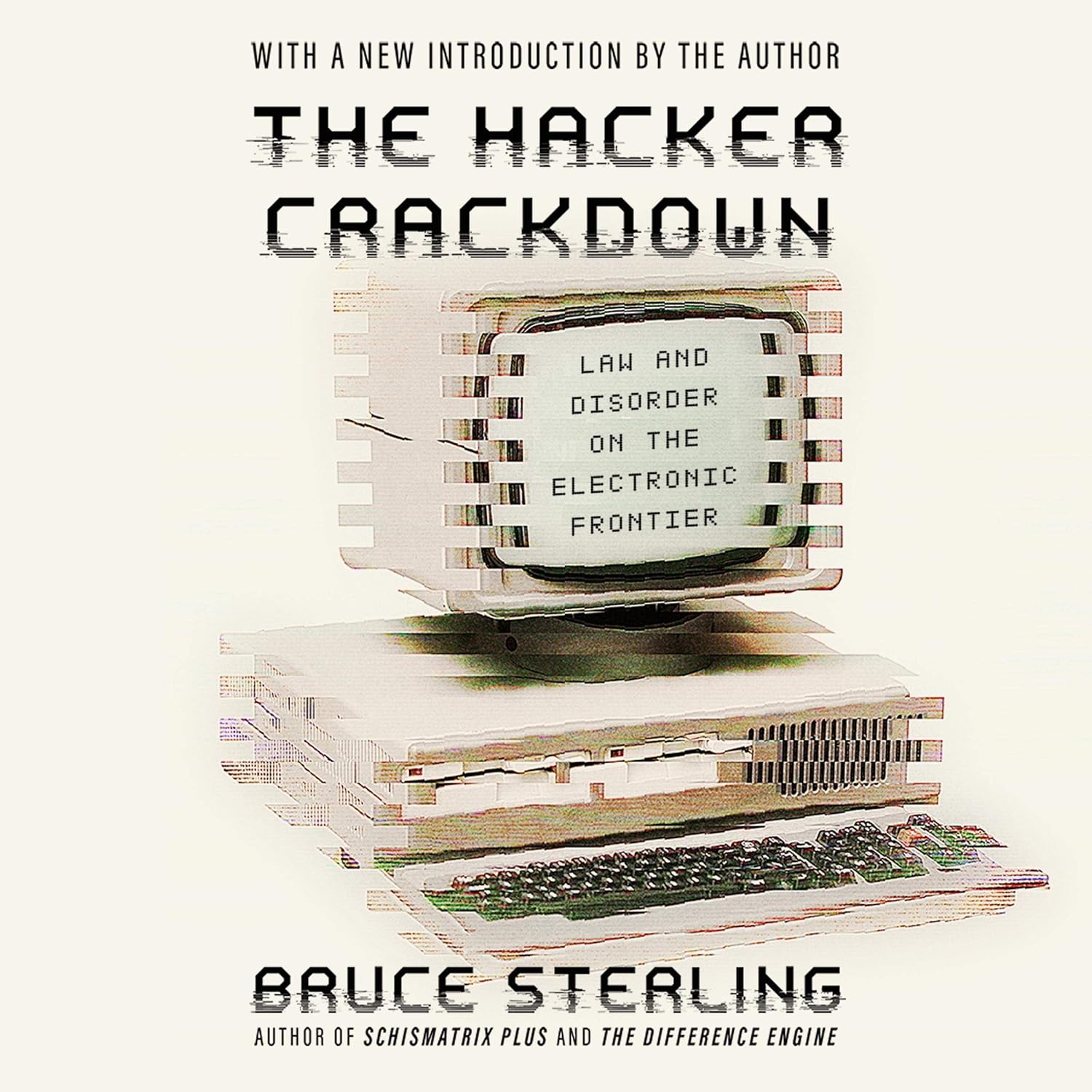
In the early 1990s, the digital frontier was a wild and lawless place. Bruce Sterling's The Hacker Crackdown plunges into this nascent world, chronicling the explosive collision between hackers, law enforcement, and the birth of cyber-libertarianism.
Experience a vividly rendered account of Operation Sundevil, the crackdown that sent shockwaves through the hacker community and ignited a battle for control of the electronic frontier. Sterling masterfully weaves together the stories of maverick programmers, phone phreaks, and the government agents determined to bring order to cyberspace.
More than just a true crime story, The Hacker Crackdown explores the complex issues of digital privacy, freedom of information, and the evolving relationship between technology and society. It's a gripping and prescient look at the dawn of the internet age, where the lines between innovation and criminality were blurred, and the future of cyberspace hung in the balance. A must-read for anyone seeking to understand the roots of modern cyberculture and the ongoing struggle for control of our digital world.
Summary of Key Ideas
- •
The Emergence of the Electronic Frontier
The Electronic Frontier is a concept that Sterling emphasizes throughout the book, portraying cyberspace as a new, ungoverned territory akin to the American West. This digital frontier is where hackers, crackers, phreakers, and other cyber-adventurers explore, experiment, and sometimes clash with the established order. The book highlights the challenges of applying existing laws and social norms to this new environment, as well as the philosophical questions surrounding freedom, privacy, and the role of authority in cyberspace. Sterling vividly illustrates the tensions between those who seek to control and regulate the Electronic Frontier and those who champion its open and decentralized nature, setting the stage for the conflicts that drive the narrative.
- •
The Clash Between Hackers and Law Enforcement
The book examines the conflict between hackers and law enforcement, focusing on the methods and motivations of both sides. Sterling explores how law enforcement agencies, often ill-equipped to understand the nuances of cyberspace, reacted to hacking incidents with heavy-handed tactics, leading to arrests, seizures, and legal battles. He also delves into the diverse motivations of hackers, ranging from harmless curiosity and exploration to malicious intent and financial gain. This dynamic highlights the complexities of defining and prosecuting cybercrime, as well as the potential for abuse of power by authorities in their attempts to control the digital realm.
- •
Real-World Cases of Hacker Crackdowns
The Hacker Crackdown details several real-world cases of law enforcement actions against hackers and phreakers in the early 1990s. These cases, such as the Steve Jackson Games raid and the arrests of members of the Legion of Doom, serve as focal points for exploring the legal and ethical issues surrounding hacking. Sterling meticulously recounts the events, legal proceedings, and personal stories of those involved, providing a detailed and often critical examination of the justice system's response to cybercrime. By focusing on these specific cases, Sterling humanizes the individuals involved and highlights the real-world consequences of the policies and actions taken by both hackers and law enforcement.
- •
The Importance of Civil Liberties in Cyberspace
The book delves into the importance of civil liberties in the digital age, particularly the rights to privacy, freedom of speech, and due process. Sterling argues that these fundamental rights are essential for maintaining a free and open society in cyberspace. He critiques government surveillance and censorship efforts, warning against the erosion of civil liberties in the name of security. The book raises critical questions about the balance between individual rights and the need for law and order in the digital realm, advocating for a cautious and measured approach to regulation that respects fundamental freedoms.
- •
The Evolving Nature of Cybercrime
Sterling explores the evolving nature of cybercrime and the challenges of applying traditional legal frameworks to the digital world. He highlights the difficulties of defining what constitutes a crime in cyberspace, as well as the complexities of prosecuting cybercriminals across jurisdictional boundaries. The book emphasizes the need for new laws and policies that are tailored to the unique characteristics of cyberspace, while also respecting fundamental rights and avoiding unintended consequences. Sterling advocates for a more nuanced and informed approach to cybercrime, one that recognizes the complexities of the digital world and the potential for both harm and innovation.
- •
The Role of Telecommunications Companies
The book examines the role of telecommunications companies in the hacker crackdown, particularly their cooperation with law enforcement agencies. Sterling reveals how these companies, often acting under legal pressure or in their own self-interest, provided information and assistance to authorities in their investigations of hackers and phreakers. This collaboration raises questions about the responsibilities of telecommunications companies in protecting user privacy and ensuring due process. The book explores the ethical dilemmas faced by these companies as they navigate the complex legal and technological landscape of cyberspace.
- •
The Social and Cultural Impact of Hacking
Sterling explores the social and cultural impact of hacking on society, focusing on the rise of hacker culture and its influence on technology, art, and activism. He examines the motivations and values of hackers, portraying them as both innovators and troublemakers who challenge established norms and push the boundaries of what is possible. The book highlights the positive contributions of hacker culture, such as the development of open-source software and the promotion of digital literacy, while also acknowledging the potential risks and ethical dilemmas associated with hacking activities. Sterling demonstrates how hacker culture has shaped our understanding of technology and its role in society.
- •
The Need for Technological Literacy
One of the key ideas in 'The Hacker Crackdown' is the concept of technological literacy and the need for the general public, law enforcement, and policymakers to understand the intricacies of cyberspace. Sterling emphasizes that a lack of understanding can lead to misinterpretations, overreactions, and ineffective policies. The book advocates for greater education and awareness about technology, empowering individuals to make informed decisions about their digital lives and participate in the shaping of cyberspace. By promoting technological literacy, Sterling aims to bridge the gap between the digital elite and the rest of society, fostering a more inclusive and democratic digital future.
Chapter Recap

About The Author
Bruce Sterling
Main Quotes
"The telephone has achieved a rare and exalted state for a technological artifact: it has become a HOUSEHOLD OBJECT."
"People will fight harder and more bitterly to defend their communities than they will fight to defend their own individual selves."
"Unlike human beings, computers possess the truly profound stupidity of the inanimate."
"Hacking is a cultural phenomenon."
"Lawsuits are a lot like football games, only longer and much more boring."
"The electronic frontier feels like a frontier because it is one."
"Hackers are explorers."
"There were many good reasons for secrecy in the hacker crackdown. Hackers and code-thieves were wily prey, slinking back to their bedrooms and basements."
"Fear of hackers goes well beyond the fear of merely criminal activity."
"Librarians are very ingenious people."
Who Should Read This Book
Computer enthusiasts and hackers
Law enforcement officials interested in cybercrime
Electronic civil liberties activists
Individuals interested in the history of the internet and cyberculture
Readers interested in technology law and policy
Those fascinated by cyberpunk and dystopian themes
Readers of true crime and investigative journalism
People interested in the social and political impact of technology
Students and academics studying computer science, law, or sociology
Individuals concerned about privacy and surveillance issues
Book Summaries Like
The Hacker Crackdown




FAQ

Free Access to LitNotes