




 DISCORD
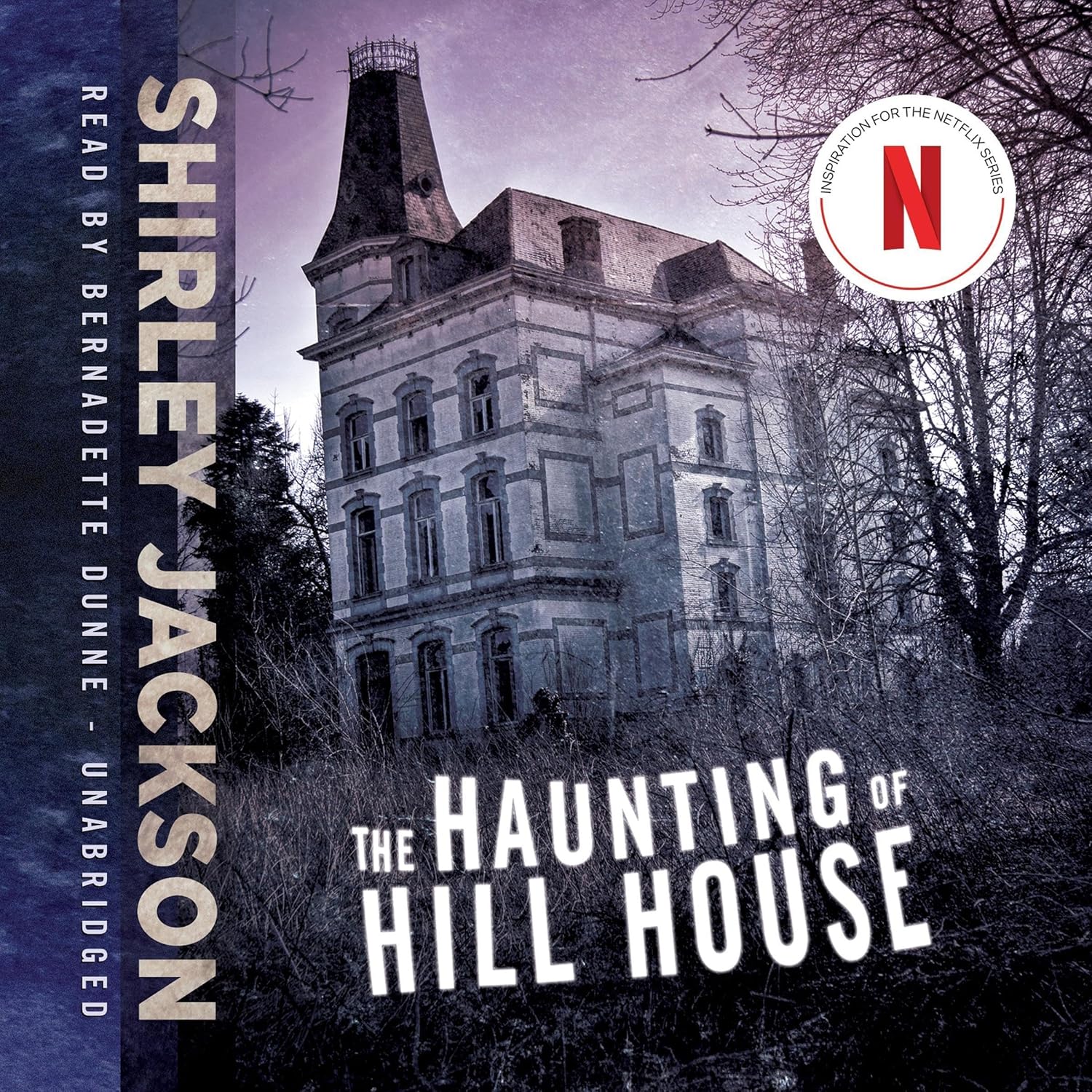
The Haunting of Hill House
Shirley Jackson

 Apple Books


 34 Min Reading Time
 Audio Version Available
About this book
Enter the chilling world of Hill House, a place where darkness dwells and the line between reality and nightmare blurs. Invited by the enigmatic Dr. Montague to study the paranormal, Eleanor Vance, a fragile and lonely woman with a haunted past, joins a small group of fellow seekers. As they delve deeper into the mansion's secrets, Hill House awakens, preying on their fears and insecurities. But is the house truly haunted, or are its guests succumbing to their own unraveling minds?
Shirley Jackson's masterpiece of psychological horror traps you in an atmosphere of creeping dread and mounting suspense. With its unsettling narrative and masterful exploration of isolation, trauma, and the power of suggestion, The Haunting of Hill House is a chilling descent into madness that will leave you questioning the nature of reality long after you turn the final page. A classic of the genre, this is a must-read for anyone who dares to confront the darkness within and without.
Summary of Key Ideas
- •
The Blurring Lines of Reality and Madness
The ambiguity of the supernatural vs. the psychological is central to the novel's horror. Is Hill House truly haunted, or are the characters' experiences manifestations of their inner turmoil? Jackson masterfully blurs the lines, leaving the reader to question the source of the terror. Eleanor's fragile mental state makes her particularly susceptible to both external and internal influences. The house preys on her insecurities and desires, amplifying her feelings of isolation and inadequacy. This ambiguity creates a pervasive sense of unease, as the reader can never be sure whether the events are genuinely supernatural or products of the characters' minds. This uncertainty is a key element of the novel's enduring power.
- •
The Destructive Power of Isolation
Isolation and loneliness are major catalysts for the events that unfold at Hill House. Eleanor, in particular, is profoundly lonely and yearns for connection and belonging. Hill House, in a twisted way, offers her a sense of purpose and a place to belong, even if that belonging is rooted in fear and madness. The other characters, while not as isolated as Eleanor, also experience a degree of detachment from the outside world, making them more vulnerable to the house's influence. The oppressive atmosphere of Hill House amplifies these feelings of isolation, creating an environment where the characters become increasingly susceptible to its power. Ultimately, the novel suggests that isolation can be a breeding ground for psychological instability and vulnerability to external forces.
- •
Hill House as a Malevolent Entity
Hill House itself functions as a character, possessing a malevolent sentience that actively preys on the vulnerabilities of its inhabitants. The house is described as being inherently evil, with a history of tragedy and despair that has imbued it with a dark energy. Its architecture is deliberately disorienting, designed to confuse and unnerve those who enter its walls. The house seems to anticipate and exploit the characters' fears and desires, manipulating them into succumbing to its influence. This personification of the house creates a sense of inescapable dread, as the characters are not merely battling external forces but also the very structure around them. Hill House represents the idea that some places are inherently tainted by evil, capable of corrupting and destroying those who dwell within them.
- •
The Fragility of the Human Psyche
The novel explores the fragility of the human psyche, particularly in the face of overwhelming fear and uncertainty. Eleanor's descent into madness is a central focus, as she becomes increasingly unhinged by the events at Hill House. Her already fragile mental state is exacerbated by the house's influence, leading her to question her sanity and perception of reality. The other characters also experience psychological distress, grappling with their fears and insecurities as the house tests their resilience. Jackson highlights how easily the human mind can be fractured under pressure, and how vulnerable individuals can be to suggestion and manipulation. The novel serves as a cautionary tale about the importance of mental stability and the dangers of succumbing to fear.
- •
Unearthing Repressed Desires and Identities
The theme of repressed desires and hidden identities plays a significant role in the characters' experiences at Hill House. Eleanor's yearning for connection and belonging stems from a lifetime of suppressed desires and unfulfilled potential. The house seems to tap into these hidden aspects of her personality, bringing them to the surface and amplifying their power. Similarly, the other characters may harbor secrets or repressed emotions that make them vulnerable to the house's influence. Jackson suggests that these hidden aspects of ourselves can be both a source of strength and a source of vulnerability, capable of shaping our perceptions and actions in unexpected ways. The exploration of repressed desires adds another layer of psychological complexity to the novel's themes.
- •
The Haunting Effects of Family Dynamics
The Haunting of Hill House delves into the destructive nature of familial relationships, especially how they shape an individual's self-perception. Eleanor's past is defined by her role as a caregiver to her demanding mother, stifling her personal growth and independence. This dynamic leaves her vulnerable and longing for validation, making her susceptible to Hill House's allure. The oppressive maternal figures, though unseen, cast a long shadow, highlighting how past family dynamics can continue to haunt and control individuals, even in adulthood. The novel subtly suggests that unresolved family issues can create lasting psychological scars, influencing one's sense of self and their ability to form healthy relationships.
Chapter Recap

About The Author
Shirley Jackson
Main Quotes
"Hill House, not sane, stood by itself against its hills, holding darkness within; it had stood so for eighty years and might stand for eighty more."
"No live organism can continue for long to exist sanely under conditions of absolute reality; even larks and katydids are supposed, by some, to dream."
"Journeys end in lovers meeting."
"I am like a small creature swallowed whole by a monster, she thought, and the monster feels my tiny movements inside."
"“An intensity,” she said, “a feeling of immense hidden strength, like waiting weights.”"
"She is learning to live separate from the familiar world, and she is afraid."
"Some houses are born bad."
"I hate having things done to me."
"We have no choice, then, but to be guilty."
"Don't look back."
Who Should Read This Book
Readers of gothic horror
Fans of psychological thrillers
Readers interested in stories with unreliable narrators
Those who enjoy classic literature with strong female characters
Readers who appreciate explorations of isolation, trauma, and mental instability
Fans of haunted house stories with ambiguous supernatural elements
Individuals interested in feminist themes in literature
Readers of suspenseful and atmospheric novels
Book Summaries Like
The Haunting of Hill House

FAQ

Free Access to LitNotes