




 DISCORD
The Heaven & Earth Grocery Store
James McBride


 Amazon Best Sellers
 Indie Bestsellers


 82 Min Reading Time
 Audio Version Available
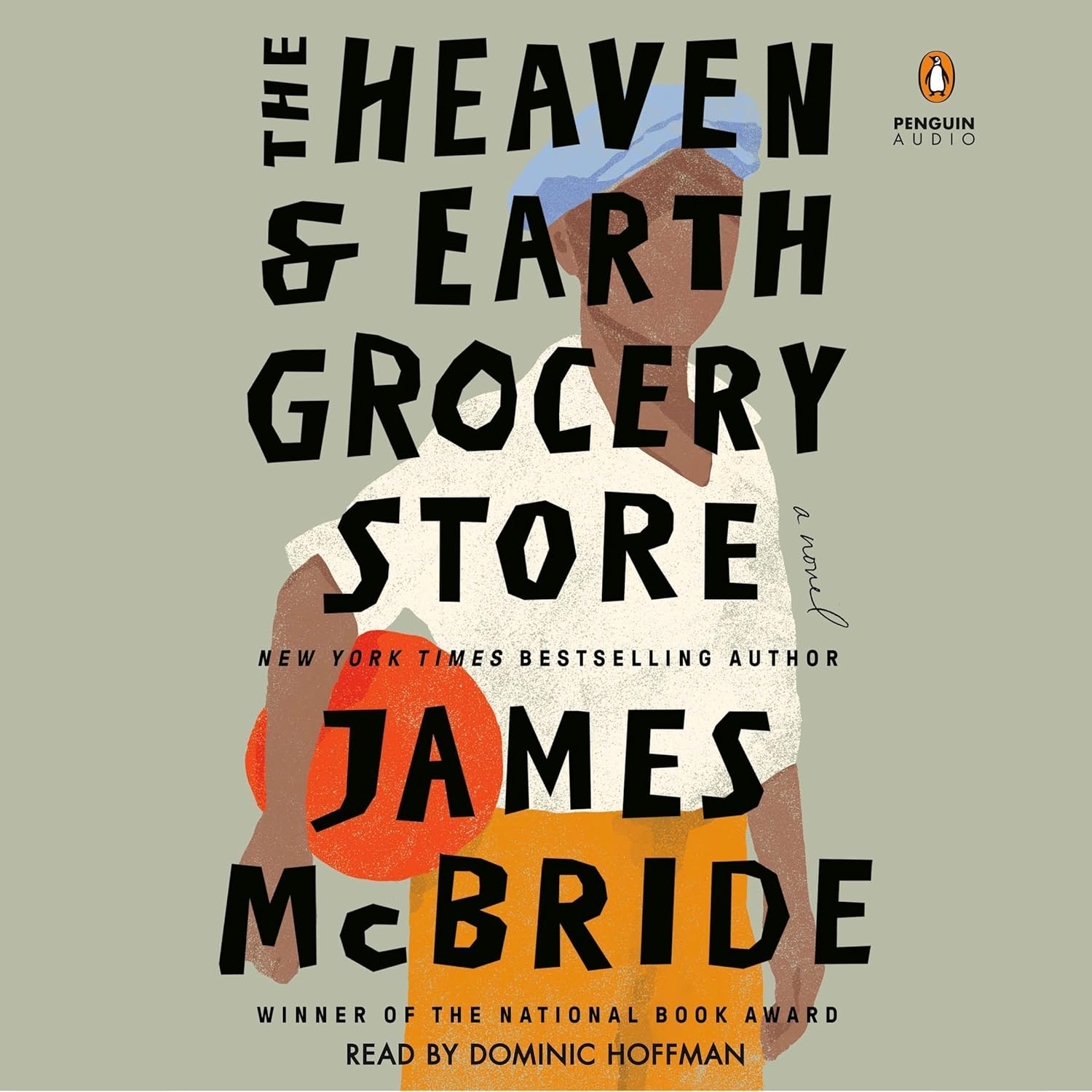
About this book
In Pottstown, Pennsylvania, 1972, a construction crew unearths a skeleton at the bottom of a well, exposing the long-held secrets of Chicken Hill. This dilapidated neighborhood, where immigrant Jews and African Americans forged an unlikely community, held ambitions and sorrows in equal measure. At its heart were Moshe and Chona Ludlow, who ran the Heaven & Earth Grocery Store, and Nate Timblin, the Black janitor and unofficial leader of Chicken Hill.
When a deaf boy is threatened with institutionalization, Chona and Nate risk everything to protect him, their lives intertwining in a web of shared humanity. As their stories unfold, James McBride illuminates the struggles of those living on the margins of white, Christian America, and what they must do to survive. With the revelation of the truth about Chicken Hill and the town's power structure, McBride reminds us that even in the darkest of times, love and community—heaven and earth—can sustain us.
Summary of Key Ideas
- •
The Power of Community and Resilience
The novel celebrates the strength and resilience of marginalized communities, particularly Black and Jewish residents of Chicken Hill. Despite facing prejudice and hardship, they create a vibrant, supportive environment for one another. This theme highlights the importance of community bonds in overcoming adversity and preserving cultural identity. Acts of kindness, cooperation, and mutual aid demonstrate the power of collective action in the face of systemic challenges. The story emphasizes how shared experiences and a sense of belonging can foster resilience and hope, even in the most difficult circumstances, presenting a microcosm of how diverse groups can coexist and support each other.
- •
Confronting Prejudice and Discrimination
Set in the Depression-era town of Chicken Hill, the book explores the insidious nature of racial and religious prejudice. The Black and Jewish communities face discrimination from the white establishment, which seeks to maintain its power and control. McBride portrays how prejudice manifests in various forms, including segregation, economic exploitation, and social exclusion. However, the novel also reveals how individuals from different backgrounds can transcend prejudice through empathy, understanding, and solidarity. By highlighting both the destructive impact of prejudice and the potential for overcoming it, the book underscores the importance of fighting against discrimination and promoting inclusivity.
- •
Compassion and Empathy Across Divides
The characters in "The Heaven & Earth Grocery Store" embody the theme of compassion and empathy, reaching across racial and religious divides to help one another. Moshe and Chona Ludlow, the Jewish owners of the Heaven & Earth Grocery Store, exemplify this through their generosity and willingness to assist their Black neighbors. Similarly, the Black residents offer support and care to the Jewish community, creating a reciprocal network of kindness. These acts of compassion demonstrate the shared humanity that transcends differences and the transformative power of empathy in building bridges between communities. The novel suggests that compassion is a vital force for social change and a means of fostering understanding and harmony.
- •
The Elusive American Dream
The American Dream, with its promise of opportunity and upward mobility, is a central theme in the book. Characters like Moshe and Chona Ludlow immigrate to America seeking a better life, while the Black residents of Chicken Hill aspire to improve their circumstances despite facing systemic barriers. However, the novel also critiques the limitations and contradictions of the American Dream, showing how it remains elusive for many due to racial and economic inequality. The characters' struggles and aspirations reveal the complex relationship between hope, opportunity, and the harsh realities of American society. McBride questions whether the American Dream is truly accessible to all or merely a myth perpetuated by those in power.
- •
The Enduring Power of Memory and History
The narrative highlights the importance of memory and history in shaping individual and community identity. The characters' personal stories and collective experiences are deeply rooted in the past, influencing their present actions and future aspirations. McBride weaves together historical events and fictional narratives to create a rich tapestry of Chicken Hill's past, revealing how historical injustices and triumphs continue to resonate in the present. The book underscores the need to remember and learn from the past to understand the complexities of the present and build a more just future. By preserving and sharing their stories, the characters honor their ancestors and ensure that their struggles and achievements are not forgotten.
- •
The Destructive Nature of Corruption
The lengths the white townspeople go to to cover up their actions and protect their power demonstrates the corruption that can permeate societal systems. The lengths to which officials are willing to go for monetary gain and to maintain the status quo are highlighted throughout the novel. This corruption leads to exploitation and injustice within the community, creating conflict and mistrust between those in power and the marginalized groups they oppress. Ultimately, the exposure of this corruption becomes a catalyst for change, highlighting the importance of accountability and transparency in building a fair and equitable society. The novel suggests that vigilance and resistance are necessary to challenge corruption and protect the rights of the vulnerable.
Chapter Recap

About The Author
James McBride
Main Quotes
"They were in no hurry. The journey ahead was long. There was no promise ahead. There was no need to rush now."
"Light is only possible through dialogue between cultures, not through rejection of one another."
"For if a wounded child is the cry of one, then he is the cry of all."
"That was the beauty of music. It didn't ask for nothing."
"Secrets beget secrets, and the truth of the matter was buried somewhere in the secrets."
"Sometimes you have to do bad to do good."
"What does it matter what they think? The coloreds' money spends just like ours."
"The world don't love nobody. It take from you and give to you, and back and forth until you're gone."
"Truth did not exist in a single telling."
"A future in which devices that fit in one's pocket and went zip, zap, and zilch delivered a danger far more seductive and powerful than any hot dog."
Who Should Read This Book
Readers of historical fiction, particularly those interested in the mid-20th century.
Readers interested in stories about community, race relations, and cultural fusion.
Readers who appreciate character-driven narratives with a focus on compassion and humanity.
Fans of James McBride's previous works, such as "The Good Lord Bird" and "Deacon King Kong."
Readers who enjoy books that explore themes of social justice and the American dream.
Book club participants looking for thought-provoking and discussion-worthy material.
Readers interested in stories featuring Jewish and Black communities.
Book Summaries Like
The Heaven & Earth Grocery Store
FAQ

Free Access to LitNotes