




 DISCORD
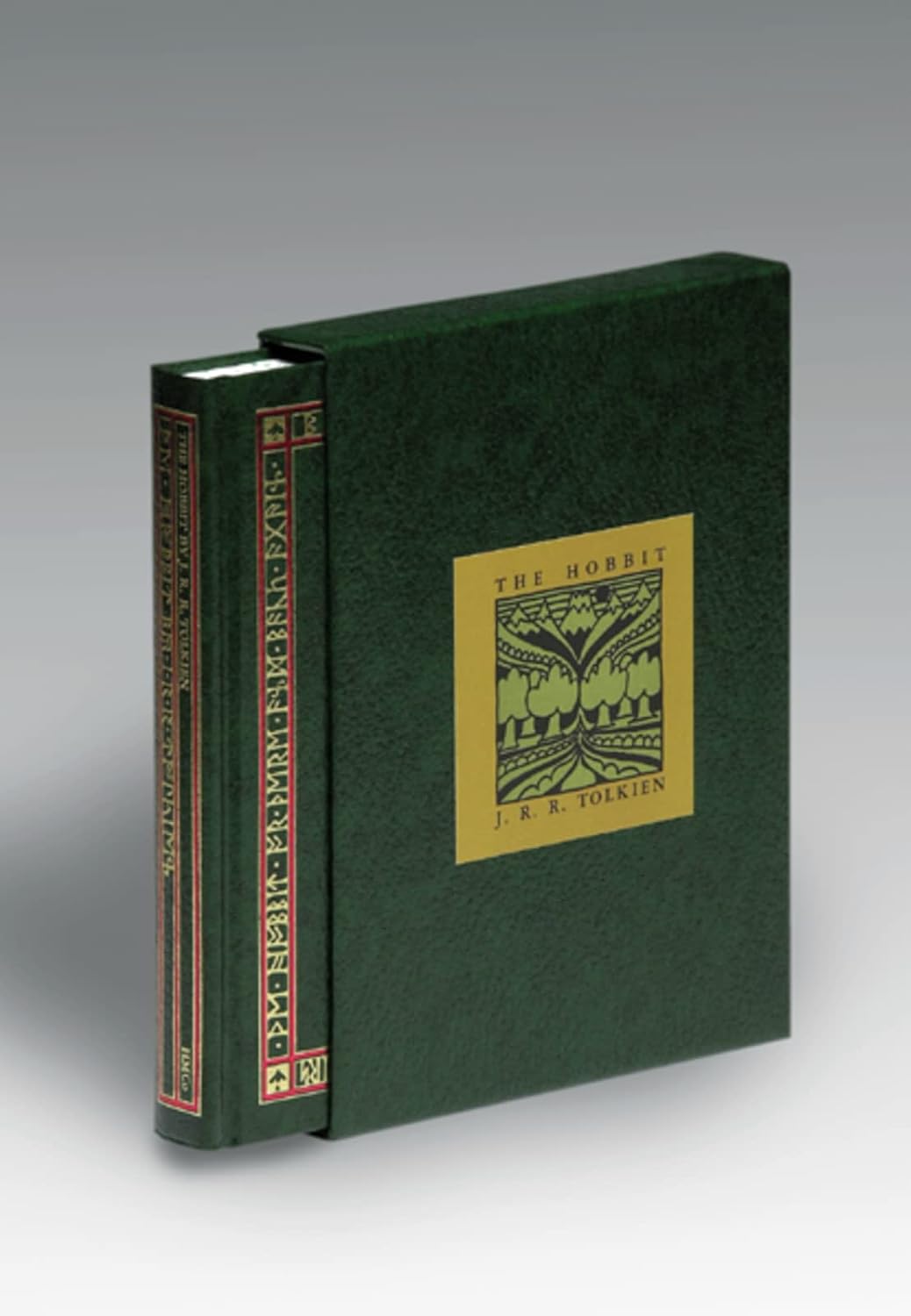
The Hobbit
J.R.R. Tolkien


 Barnes & Noble Bestsellers


 68 Min Reading Time
 Audio Version Available
About this book
In a hole in the ground lived a hobbit. Bilbo Baggins enjoyed a peaceful life in his cozy hobbit-hole, Bag End, with little interest in adventure. That is, until the wizard Gandalf and a company of thirteen dwarves knock on his round, green door, seeking a burglar for a perilous quest.
Their mission? To reclaim the dwarves' stolen treasure from the fearsome dragon Smaug, who guards it within the Lonely Mountain. Reluctantly, Bilbo joins their company, venturing into the Wild where trolls, goblins, and giant spiders lurk.
But it is in the dark depths of the Misty Mountains that Bilbo's life truly changes. There, he encounters the wretched creature Gollum and stumbles upon a mysterious ring, setting him on a path to an unexpected destiny. Can this comfort-loving hobbit find the courage to face a dragon and help his companions reclaim their birthright? The journey "there and back again" will test Bilbo in ways he never imagined, revealing a hero hidden within the most unlikely of adventurers.
Summary of Key Ideas
- •
Bilbo's Transformation: The Reluctant Hero
The central theme of The Hobbit is Bilbo's journey of transformation and self-discovery. Initially a comfortable and home-loving hobbit, Bilbo is thrust into an adventure that forces him to confront his fears and develop courage, resourcefulness, and a sense of self-reliance. His transformation highlights the potential for growth and heroism that lies within even the most ordinary individuals. The journey to the Lonely Mountain is as much an internal one for Bilbo as it is a physical one, marking his evolution from a timid homebody to a capable and confident adventurer. This theme emphasizes the importance of embracing new experiences and challenges to realize one's full potential.
- •
The Corrupting Power of Greed vs. Loyalty
The book explores the corrupting influence of greed and the importance of valuing friendship and loyalty above material wealth. Thorin's obsession with reclaiming his family's treasure leads him to make poor decisions and ultimately jeopardizes the success of the quest and his relationships with his companions. This theme serves as a cautionary tale about the dangers of avarice and the importance of maintaining one's values, even in the face of temptation. The contrast between Thorin's greed and Bilbo's growing compassion highlights the importance of empathy and the value of human connection over material possessions.
- •
Courage and Perseverance Against All Odds
The Hobbit emphasizes the significance of courage and perseverance in the face of adversity. Throughout their journey, Bilbo and the dwarves encounter numerous dangers, including trolls, goblins, spiders, and a dragon. Despite these challenges, they persevere and ultimately achieve their goal, demonstrating the power of courage and determination in overcoming obstacles. Bilbo's acts of bravery, such as rescuing the dwarves from the spiders and entering Smaug's lair, exemplify the importance of standing up for what is right and facing one's fears, even when the odds seem insurmountable.
- •
The Longing for Home and Belonging
Home and belonging are recurring themes in The Hobbit. Bilbo's initial reluctance to leave the comforts of his home in the Shire underscores the importance of familiarity and security. However, as he embarks on his adventure, he gradually develops a broader understanding of the world and his place within it. Despite the excitement and challenges of his journey, Bilbo ultimately longs to return to the Shire, highlighting the enduring appeal of home and the importance of finding one's place in the world. This theme explores the tension between the desire for adventure and the comfort of familiar surroundings.
- •
The Power of Friendship and Cooperation
The story highlights the importance of friendship and cooperation in achieving common goals. The success of the quest to reclaim the Lonely Mountain depends on the dwarves working together and supporting each other through difficult times. Bilbo's growing friendships with the dwarves, particularly with Thorin (initially) and later with Balin, demonstrate the power of camaraderie and the importance of building strong relationships based on trust and mutual respect. The cooperation between different races, such as the dwarves, elves, and men, in the Battle of Five Armies reinforces the idea that unity and collaboration are essential for overcoming adversity.
- •
The Burden and Responsibility of Leadership
The Hobbit explores the complex nature of leadership and the responsibilities that come with it. Thorin's role as the leader of the dwarves is tested throughout the journey, as he struggles with pride, greed, and a desire for power. His transformation from a proud and stubborn leader to a more humble and compassionate one underscores the importance of selflessness, wisdom, and empathy in effective leadership. The story suggests that true leadership is not about asserting dominance but about serving the needs of others and making difficult decisions for the greater good.
- •
Fate vs. Free Will: Shaping One's Destiny
Fate and free will intertwine throughout The Hobbit, raising questions about the extent to which individuals control their own destinies. While certain events seem predetermined, such as Bilbo's unexpected involvement in the quest, the characters' choices and actions ultimately shape the outcome of the story. Bilbo's decision to keep the Arkenstone, for example, has significant consequences that alter the course of events. This theme suggests that while external forces may influence our lives, we still have the agency to make choices that determine our fate. The interplay between fate and free will adds depth and complexity to the narrative, prompting readers to consider the extent to which they are masters of their own destinies.
Chapter Recap

About The Author
J.R.R. Tolkien
Main Quotes
"In a hole in the ground there lived a hobbit."
"Not all those who wander are lost."
"There is more in you of good than you know, child of the kindly West."
"If more of us valued food and cheer and song above hoarded gold, it would be a merrier world."
"It does not do to leave a live dragon out of your calculations, if you live near him."
"Go back?" he thought. "No good at all! Go sideways? Impossible! Go forward? Only thing to do!"
"Never laugh at live dragons."
"It is no bad thing to celebrate a journey's end."
"This is a story of how a Baggins had an adventure, and found himself doing and saying things altogether unexpected."
"Where there's life there's hope."
Who Should Read This Book
Children aged 8-12
Young adults
Fans of fantasy literature
Readers interested in adventure stories
Families looking for read-aloud books
Individuals who enjoy classic literature
Tolkien fans
Readers new to Tolkien's world
People seeking an escape into a world of magic and wonder
Those interested in themes of courage, friendship, and self-discovery
Book Summaries Like
The Hobbit

FAQ

Free Access to LitNotes