




 DISCORD
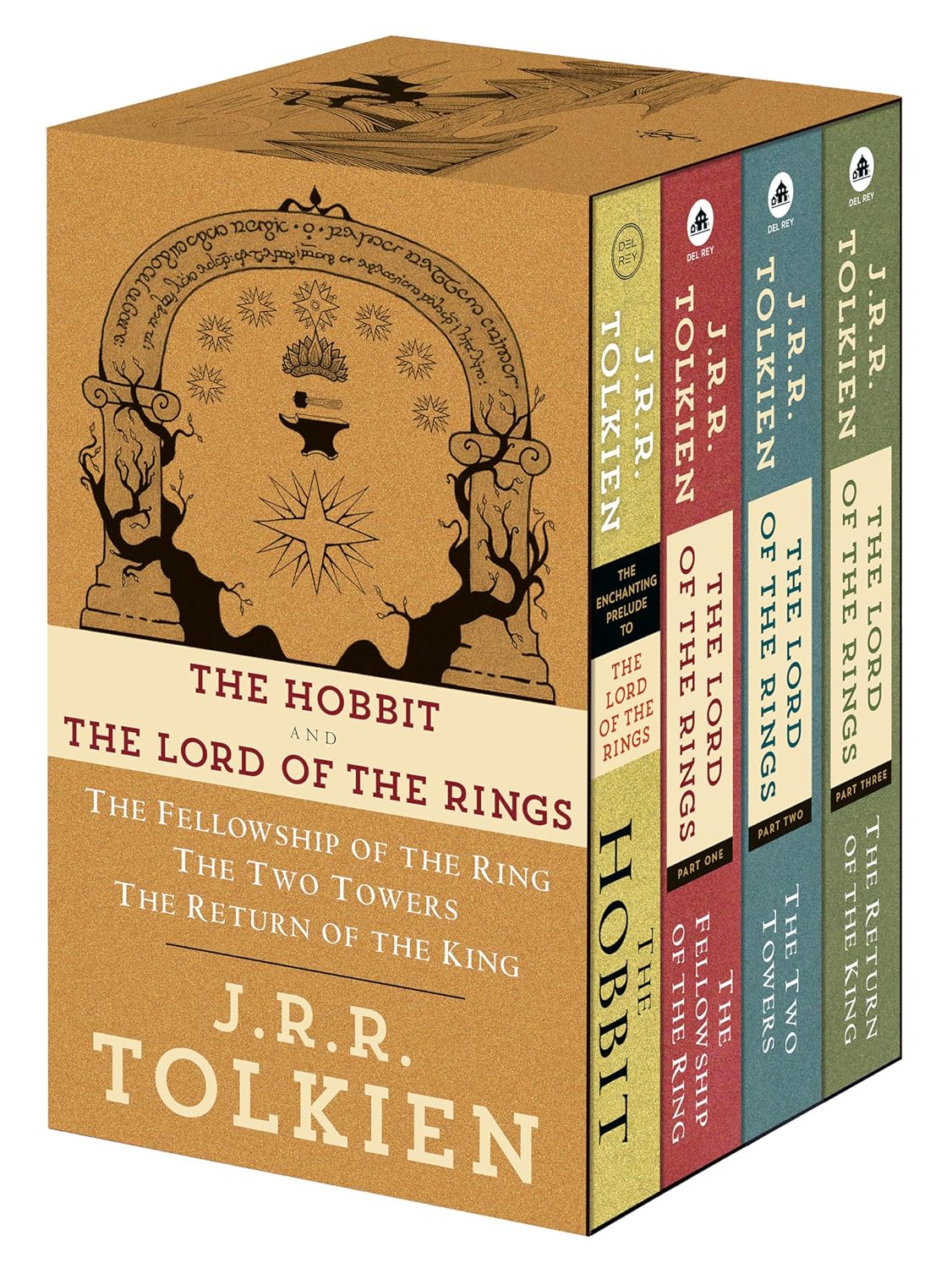
The Hobbit and the Lord of the Rings Boxed Set
J. R. R. Tolkien


 Amazon Best Sellers
 Apple Books


 69 Min Reading Time
 Audio Version Available
About this book
Embark on an unforgettable journey through Middle-earth with this complete four-book boxed set, featuring J.R.R. Tolkien's timeless masterpieces: The Hobbit and The Lord of the Rings.
In The Hobbit, join Bilbo Baggins as he's unexpectedly swept away from his quiet life in Hobbiton by the enigmatic wizard Gandalf and a company of dwarves. Their quest: to reclaim a stolen treasure hoard from the fearsome dragon Smaug the Magnificent.
Then, continue the adventure with The Lord of the Rings, where Frodo Baggins and the Fellowship of the Ring—Gandalf, Merry, Pippin, Sam, Gimli, Legolas, Boromir, and the mysterious Strider—undertake a perilous quest to destroy the One Ring and vanquish the Dark Lord Sauron.
Experience the full sweep of Tolkien's epic vision, from the cozy Shire to the fiery depths of Mordor, in this deluxe paperback collection. A saga of courage, friendship, and the eternal battle between good and evil, this boxed set is an essential addition to any fantasy lover's library.
Summary of Key Ideas
- •
The Heroic Transformation of the Ordinary
The transformative journey of Bilbo Baggins from a comfortable, home-loving hobbit into a courageous and resourceful adventurer is central to both *The Hobbit* and *The Lord of the Rings*. Initially reluctant, Bilbo's participation in the quest for treasure awakens a hidden Tookish spirit within him, pushing him beyond his comfort zone. This transformation highlights the idea that even the most ordinary individuals are capable of extraordinary feats when faced with challenges and opportunities for growth. Throughout his adventures, Bilbo gains confidence, develops skills, and ultimately discovers his own inner strength, setting the stage for his crucial role in the events of *The Lord of the Rings*.
- •
The Enduring Battle Between Good and Evil
The battle between good and evil is a pervasive theme throughout Tolkien's works, representing a fundamental struggle for the fate of Middle-earth. In *The Hobbit*, this conflict is evident in the clash between the dwarves, Bilbo, and Gandalf against the goblins, wargs, and ultimately, the dragon Smaug. In *The Lord of the Rings*, this struggle intensifies into an epic war against the Dark Lord Sauron and his forces. The narrative emphasizes the importance of courage, sacrifice, and unwavering dedication in the face of overwhelming darkness. The triumph of good, though hard-won, underscores the enduring power of hope and the potential for even the smallest of beings to make a decisive difference.
- •
The Corrupting Influence of Power
The corrupting influence of power, particularly the allure of wealth and domination, is a recurring motif in both stories. Thorin's obsession with reclaiming his treasure in *The Hobbit* blinds him to reason and almost leads to his downfall. In *The Lord of the Rings*, the One Ring represents the ultimate corrupting force, tempting characters with visions of absolute power and control. Tolkien demonstrates how the pursuit of power can lead to moral decay, isolation, and ultimately, destruction. Only those who resist the Ring's allure and prioritize the greater good can hope to overcome its insidious influence.
- •
The Power of Friendship and Loyalty
Friendship, loyalty, and camaraderie are presented as essential virtues in overcoming adversity. The bonds formed between Bilbo and the dwarves in *The Hobbit*, and the Fellowship of the Ring in *The Lord of the Rings*, highlight the strength that comes from unity and mutual support. Characters such as Samwise Gamgee exemplify unwavering loyalty, providing crucial emotional and practical support to their companions. These relationships demonstrate the importance of trust, empathy, and selflessness in the face of danger and despair. The power of friendship allows the characters to persevere through seemingly insurmountable obstacles and ultimately triumph over evil.
- •
The Strength of Humility
Humility and the recognition of one's own limitations are portrayed as strengths, particularly in contrast to arrogance and pride. Characters like Frodo, despite his small stature and initial reluctance, are chosen for their task precisely because of their humility and lack of ambition. They understand the immense power of the Ring and recognize their own vulnerability to its influence. This awareness enables them to resist temptation and make selfless choices for the greater good. The narrative suggests that true strength lies not in power or dominance, but in recognizing one's own weaknesses and relying on the support of others.
- •
The Acceptance of Mortality
The theme of death and immortality is central, with a focus on the acceptance of mortality as a key aspect of the human (and hobbit) condition. The elves, who are immortal, face their own form of sorrow in witnessing the changing world and the fading of their power. Men, on the other hand, are granted the gift of mortality, which allows them to appreciate the preciousness of life and make meaningful choices. The stories suggest that the acceptance of death is essential for living a full and meaningful life, and that the desire for immortality can lead to corruption and despair.
- •
The Enduring Power of Hope
Hope remains a constant, even in the darkest of times. Despite the overwhelming odds and the ever-present threat of Sauron's power, the characters in *The Lord of the Rings* never completely lose hope. Gandalf serves as a beacon of hope, guiding and encouraging the Fellowship even when their quest seems impossible. This unwavering belief in the possibility of good triumphing over evil sustains them through their trials and ultimately contributes to their success. The narrative emphasizes the importance of maintaining hope, even in the face of despair, as a source of strength and resilience.
- •
The Importance of the Natural World
The significance of the natural world is a powerful and consistent theme. Tolkien's vivid descriptions of landscapes, forests, and creatures reflect a deep appreciation for the environment and a concern for its preservation. The Shire represents an idealized pastoral setting, while the corruption of places like Mordor symbolizes the destructive consequences of industrialization and unchecked power. The stories advocate for a harmonious relationship between humans and nature, highlighting the importance of protecting the environment for future generations. The fate of Middle-earth is intertwined with the health of its natural world, emphasizing the interconnectedness of all living things.
Chapter Recap

About The Author
J. R. R. Tolkien
Main Quotes
"Not all those who wander are lost."
"It is not the strength of the body that counts, but the strength of the spirit."
"Even the smallest person can change the course of the future."
"I wish it need not have happened in my time."
"It's a dangerous business, Frodo, going out your door. You step onto the road, and if you don't keep your feet, there's no knowing where you might be swept off to."
"Little by little, one travels far."
"Home is behind, the world ahead."
"I will not say: do not weep; for not all tears are evil."
"Courage is found in unlikely places."
"Faithless is he that says farewell when the road darkens."
Who Should Read This Book
Fans of fantasy literature
Readers interested in classic literature
Young adults transitioning to adult fantasy
Readers who enjoy adventure stories
Individuals captivated by world-building and mythology
Collectors of boxed sets and special editions
Readers seeking an immersive reading experience
Fans of the Lord of the Rings films
Gift-givers looking for a substantial literary present
Parents wanting to share beloved classics with their children
Readers interested in exploring themes of good versus evil, courage, and fellowship
Individuals who appreciate detailed writing and rich language
Readers interested in epic sagas
Book Summaries Like
The Hobbit and the Lord of the Rings Boxed Set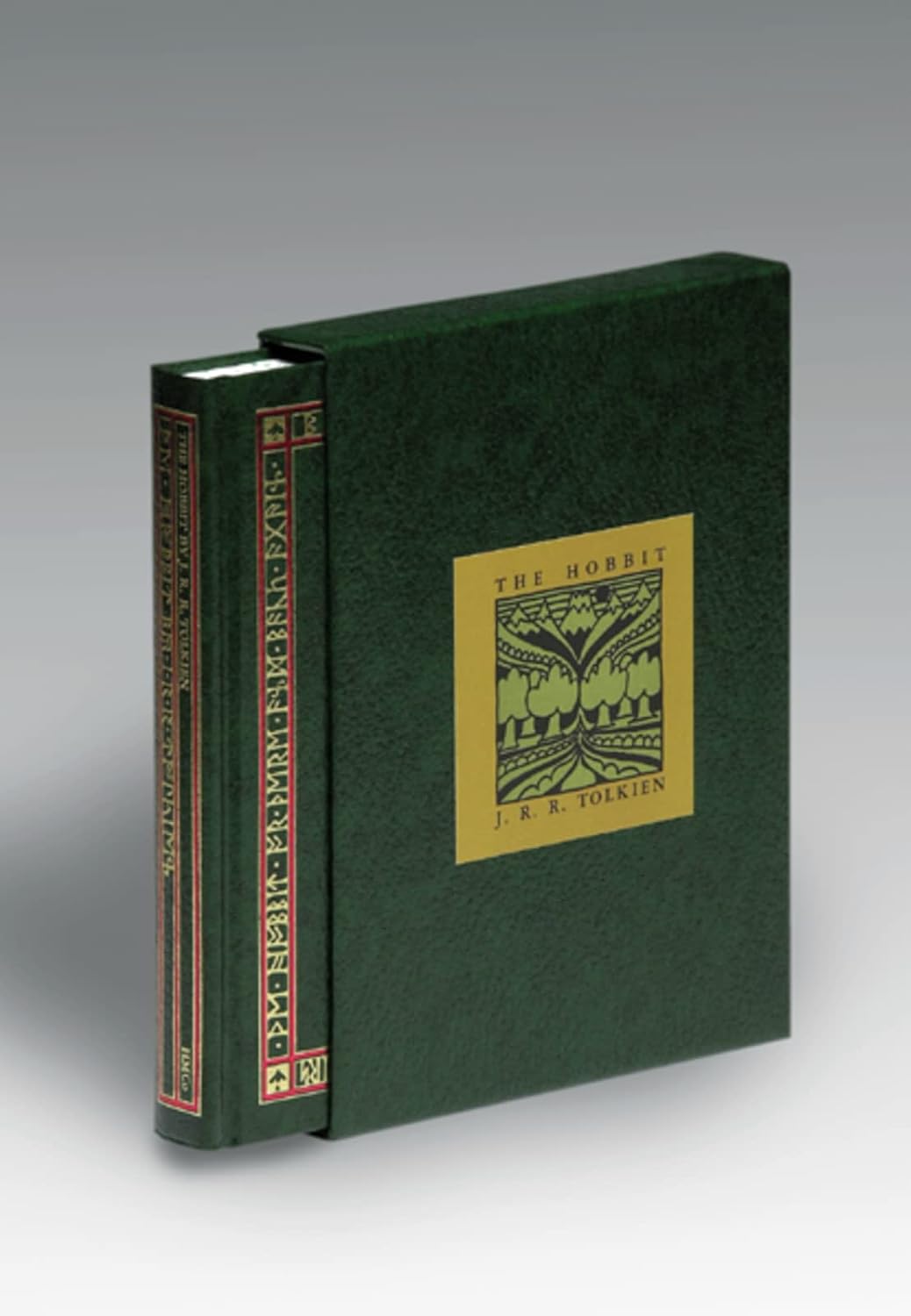
FAQ

Free Access to LitNotes