




 DISCORD
The Hour I First Believed
Wally Lamb


 171 Min Reading Time
 Audio Version Available
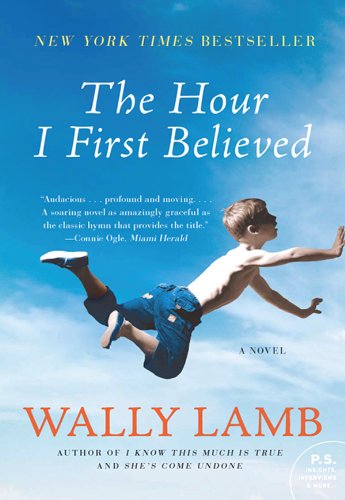
About this book
From #1 New York Times bestselling author Wally Lamb comes a profoundly moving novel of survival, resilience, and the enduring power of family history, inspired by the events at Columbine High School.
When high school teacher Caelum Quirk and his wife, Maureen, a school nurse, move to Littleton, Colorado, they find jobs at Columbine High. But in April 1999, while Caelum is away, Maureen experiences unimaginable terror, hiding in a library cabinet during a horrific act of violence. She survives miraculously, but the trauma leaves her shattered.
Seeking refuge, they flee to the familiar comfort of the Quirk family farm in Connecticut, an illusion of safety that soon proves fragile. As Maureen battles to reclaim her sanity, Caelum unearths a hidden trove of family heirlooms—diaries, letters, and clippings spanning five generations. Immersed in the lives of his ancestors, Caelum uncovers long-buried secrets, confronting generations of fear, anger, and grief.
Wally Lamb masterfully weaves myth, psychology, and the deep currents of family legacy into a powerful tapestry. The Hour I First Believed is a tour de force, a meditation on the human condition, and an unflinching yet compassionate exploration of one man’s quest for meaning and faith amidst the ashes of tragedy, proving that even in the darkest hours, the human spirit’s capacity for hope can prevail.
Summary of Key Ideas
- •
Trauma and its Lingering Effects
The novel deeply explores the long-lasting impact of trauma, particularly in the aftermath of the Columbine High School shooting. Caelum Quirk, a teacher at the school, and his wife Maureen, grapple with the psychological and emotional wounds inflicted by the tragedy. The narrative illustrates how trauma can manifest in various forms, including anxiety, depression, and relationship difficulties. It emphasizes that healing is a complex and ongoing process, requiring introspection, support, and resilience. Lamb portrays the characters' struggles to reintegrate into normal life, highlighting the persistent challenges faced by survivors of such events. The novel suggests that acknowledging and addressing trauma is essential for personal and collective recovery.
- •
The Search for Meaning and Faith
Throughout the book, characters embark on a profound quest for meaning and faith in the face of inexplicable tragedy. Caelum, in particular, wrestles with existential questions about the nature of good and evil, the existence of God, and the purpose of life. This search leads him to explore his family history, delving into the lives of his ancestors and their own encounters with adversity. The novel suggests that faith is not a static concept but rather a dynamic and evolving process shaped by personal experiences and beliefs. It acknowledges the difficulty of maintaining faith in the face of suffering, while also highlighting its potential as a source of comfort, strength, and hope.
- •
Family History and Generational Impact
Lamb intricately weaves together the past and present, revealing how family history shapes the characters' identities and experiences. Caelum's exploration of his ancestry uncovers patterns of trauma, resilience, and love that have been passed down through generations. These historical narratives provide context for understanding Caelum's own struggles and choices, as well as the broader themes of the novel. The book emphasizes the importance of acknowledging and learning from the past in order to break cycles of dysfunction and create a more positive future. It suggests that family history is not merely a collection of stories, but a powerful force that continues to influence our lives.
- •
The Power of Connection and Relationships
Despite the pervasive themes of trauma and loss, the novel also highlights the importance of human connection and relationships. Caelum's relationships with his wife, family members, friends, and students serve as sources of support, comfort, and healing. The book emphasizes the need for empathy, compassion, and understanding in navigating difficult times. It portrays the transformative power of love and forgiveness in mending broken bonds and fostering resilience. The relationships in the novel are not always easy or perfect, but they demonstrate the vital role that connection plays in overcoming adversity and finding meaning in life.
- •
Redemption and Second Chances
The characters in "The Hour I First Believed" are flawed and make mistakes, but the novel ultimately offers a message of hope and redemption. Caelum and Maureen both grapple with their past actions and strive to make amends for their errors. The book suggests that it is never too late to change, to learn from our mistakes, and to seek forgiveness. It emphasizes the importance of self-reflection, accountability, and a willingness to grow. The theme of redemption underscores the novel's broader message of resilience and the capacity for human beings to overcome even the most challenging circumstances.
- •
Confronting Violence and its Aftermath
The novel directly confronts the issue of violence, particularly school shootings, and explores the far-reaching consequences for individuals, families, and communities. Lamb delves into the psychological motivations behind such acts of violence, while also examining the systemic factors that contribute to them. The book does not offer easy answers or solutions, but it raises important questions about gun control, mental health, and the culture of violence in contemporary society. By portraying the aftermath of the Columbine tragedy, the novel serves as a reminder of the human cost of violence and the urgent need for prevention and healing.
Chapter Recap

About The Author
Wally Lamb
Main Quotes
""The Hour I First Believed" is a profoundly moving and intricate novel that delves into themes of trauma, faith, and redemption. Wally Lamb masterfully weaves a narrative that is both devastating and ultimately hopeful, exploring the ripple effects of violence and the resilience of the human spirit."
"Here are 10 significant quotes from the book:"
"A woman who surrenders her freedom need not surrender her dignity."
"My soul was a garden that, until then, had been tended by strangers."
"The truth is, we are all wounded. We are all soldiers."
"We are all here to be tested."
"The seeker embarks on a journey to find what he wants and discovers, along the way, what he needs."
"Some of us are going to die, and some of us are going to live. It's as simple as that."
"I guess I had a lot of things I wanted to change about my life."
"Sometimes you have to get really, really sick before you can get better."
"We are all characters in God's story."
"The hour I first believed was the hour I first knew God."
Who Should Read This Book
Readers of contemporary fiction interested in explorations of trauma, family history, and societal events.
Individuals interested in novels that delve into psychological depth and character development.
Fans of Wally Lamb's previous works, particularly those who appreciate his style of weaving complex narratives.
Readers who are drawn to stories that tackle significant historical or social issues, such as school shootings or the aftermath of war.
Those who enjoy emotionally resonant and character-driven narratives.
Book Summaries Like
The Hour I First Believed



FAQ

Free Access to LitNotes