




 DISCORD
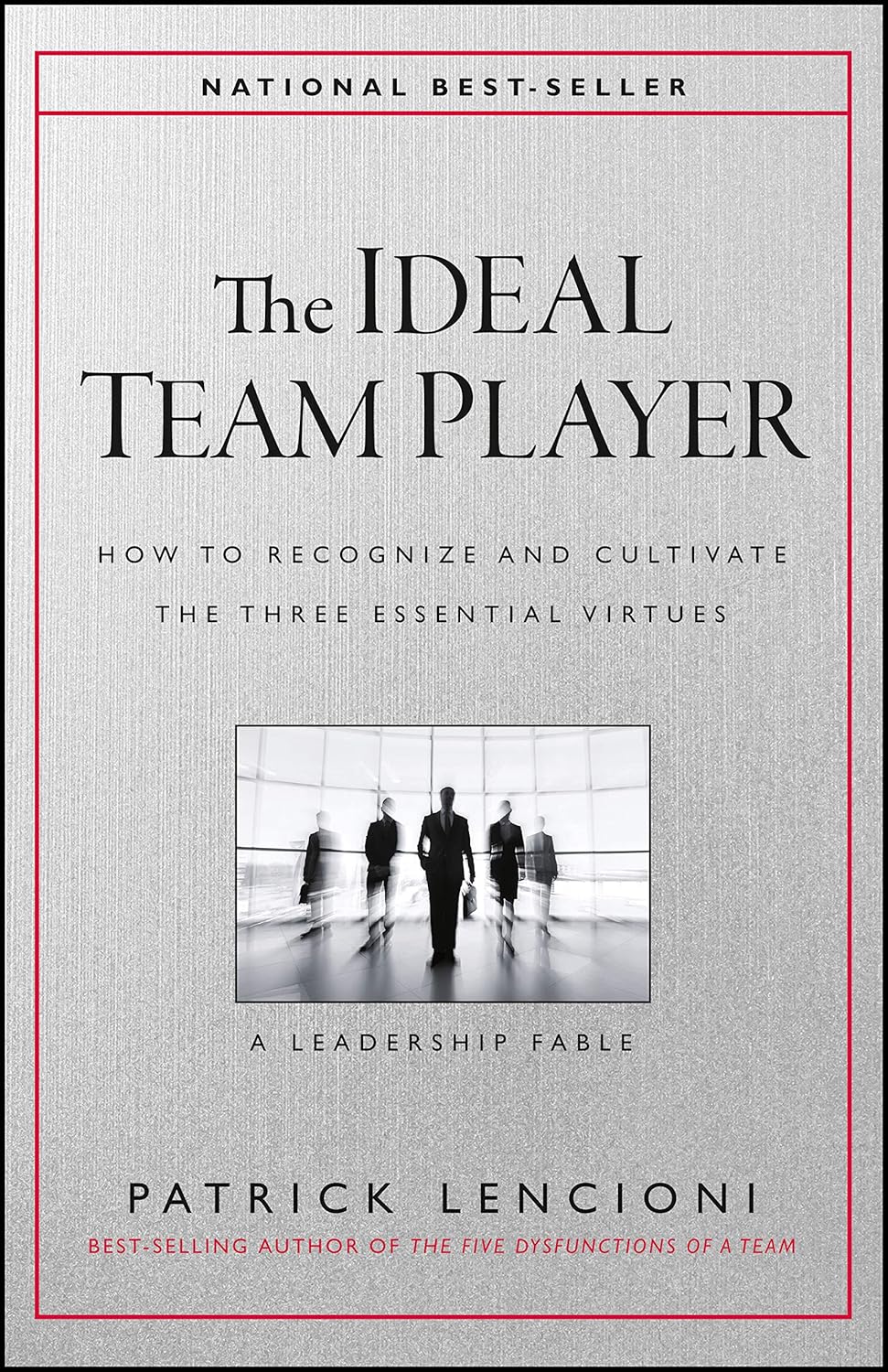
The Ideal Team Player
Patrick Lencioni


 Apple Books


 20 Min Reading Time
 Audio Version Available
About this book
Through the engaging story of Jeff Shanley, a leader desperate to save his uncle's company, Lencioni illustrates the three essential virtues of an ideal team player: Humility, Hunger, and Smartness. Discover how to identify, hire, and develop employees who embody these qualities, and learn how to address the costly consequences of lacking them.
More than just a leadership fable, The Ideal Team Player provides practical tools and actionable steps to transform individuals into exceptional team members and build cohesive, high-performing teams. Learn how embracing humility, pursuing hunger, and developing people smarts can revolutionize your workplace and drive unparalleled results.
Summary of Key Ideas
- •
Embrace Humility: Put the Team First
The cornerstone of Lencioni's model, humility, is about prioritizing the team over personal recognition. Humble team members are quick to share credit, admit mistakes, and value contributions from others. They lack excessive ego or concern about status, fostering a collaborative environment where everyone feels safe to contribute their best work. This virtue is crucial for building trust and ensuring that team members are genuinely working towards a common goal, rather than personal advancement.
- •
Cultivate Hunger: A Relentless Drive for Results
Hunger, in the context of team dynamics, refers to a strong work ethic and a constant desire to achieve more. Hungry team members are self-motivated, proactive, and consistently look for opportunities to contribute beyond their basic responsibilities. They possess a drive to go the extra mile, learn new skills, and take on challenges, which ultimately elevates the team's overall performance and ability to meet its objectives. This isn't just about ambition; it's about a genuine commitment to the team's success.
- •
Develop 'Smart' Skills: Emotional Intelligence Matters
Being 'smart' in this framework is not solely about intellectual prowess, but rather about emotional intelligence and common sense when dealing with people. Smart team players understand how their words and actions impact others, navigate social situations effectively, and possess good judgment in interpersonal interactions. They listen attentively, ask clarifying questions, and are mindful of team dynamics, fostering a positive and productive work environment. This social awareness is essential for effective communication and conflict resolution within the team.
- •
The Power of Three: Humility, Hunger, and Smarts Combined
The book emphasizes that the ideal team player embodies all three virtues – humble, hungry, and smart – simultaneously. Possessing only one or two of these qualities can lead to various dysfunctions. For example, someone who is hungry and smart but not humble might be perceived as arrogant or self-serving. It's the combination of all three that creates a truly collaborative and effective team member. The model serves as a diagnostic tool to identify areas where individuals or the team as a whole may need development.
- •
Assess and Develop: A Practical Framework for Team Improvement
Lencioni presents a practical framework for assessing and developing team members based on the three virtues. This involves creating a culture where humility, hunger, and smarts are valued and rewarded. The book offers guidance on how to identify individuals who possess these qualities during the hiring process, as well as how to coach and mentor existing team members to cultivate them. Regular feedback and performance evaluations should incorporate these virtues as key indicators of team performance.
- •
Overcoming Team Dysfunction: The Antidote to Ineffectiveness
The book argues that a team comprised of ideal team players is more likely to overcome the five dysfunctions of a team (absence of trust, fear of conflict, lack of commitment, avoidance of accountability, and inattention to results), which Lencioni outlined in his previous work. By fostering humility, hunger, and smarts, teams can build trust, engage in constructive conflict, achieve greater commitment, hold each other accountable, and ultimately deliver better results. The ideal team player model serves as a foundational element for creating high-performing teams.
- •
Scalability and Applicability: A Universal Model for Teamwork
The concepts presented in “The Ideal Team Player” are scalable and applicable across various organizational levels and industries. Whether it's a small project team or a large department, the principles of humility, hunger, and smarts remain relevant. Leaders can use the model to create a common language and set of expectations for team behavior, fostering a culture of collaboration and high performance throughout the organization. This consistency helps ensure that teams are aligned and working towards shared goals.
Chapter Recap

About The Author
Patrick Lencioni
Main Quotes
"The greatest act of leadership is not choosing the right path, but inspiring others to follow any path."
"The three virtues are not equally important, though all are necessary for a person to be an ideal team player."
"Humility is the single greatest and most indispensable attribute of being a team player."
"Hungry people almost never have to be pushed by a leader to work harder because they are self-motivated and diligent."
"Smart simply refers to a person's common sense about people."
"The absence of even one of these virtues can create tremendous problems for a team."
"Leaders who can identify, hire, and cultivate employees who are humble, hungry, and smart will have a serious advantage over those who cannot."
"No matter what happens, and what challenge we might face, give me a roomful of people who aren't jackasses, and I'll be happy to take it on."
"You get more done with three people who fit together than with a fourth who doesn't belong."
"Most training and development comes down to how much people want it."
Who Should Read This Book
Business leaders and executives
Managers at all levels
Human resources professionals
Team leaders and members
Individuals interested in self-improvement and career development
Consultants and organizational development professionals
Students of business management and leadership
Individuals involved in team building and training
Small business owners
Nonprofit organization leaders
Book Summaries Like
The Ideal Team Player


FAQ

Free Access to LitNotes