




 DISCORD
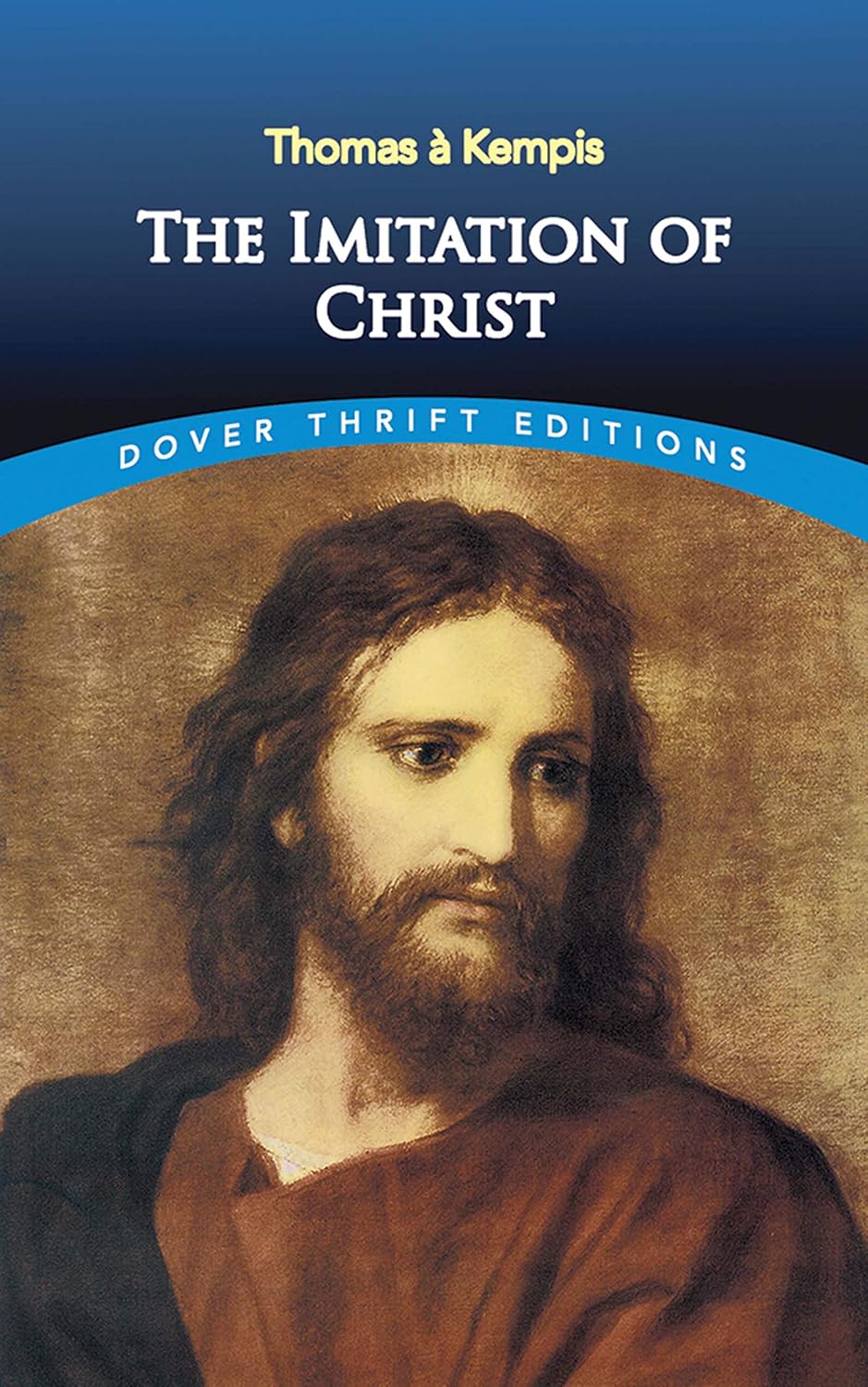
The Imitation of Christ
Thomas à Kempis


 Apple Books


 43 Min Reading Time
 Audio Version Available
About this book
For centuries, The Imitation of Christ by Thomas à Kempis has remained one of the most cherished and influential devotional guides in Christian literature. More than just a book, it is a timeless manual for spiritual growth, urging readers to turn away from worldly vanities and embrace a life centered on Jesus Christ.
Divided into four profound books, this enduring work explores the interior life, offering wisdom on resisting temptation, cultivating humility, finding solace in suffering, and drawing closer to God through the Eucharist. Kempis's simple yet powerful prose cuts through the noise of the world, guiding you toward genuine peace and lasting joy found only in imitating the life and teachings of Jesus.
Discover why saints and sinners alike have turned to The Imitation of Christ for centuries. Let its timeless wisdom inspire you to a deeper, more meaningful relationship with God and a more authentic expression of your faith.
Summary of Key Ideas
- •
The Centrality of Imitating Christ
The core of the book emphasizes the imitation of Christ as the ultimate goal of Christian life. This involves striving to emulate Jesus' virtues, actions, and spirit in one's daily life. It's not just about outward actions but also about inward transformation, seeking to align one's thoughts, feelings, and desires with those of Christ. This imitation is presented as a lifelong journey, requiring constant effort and self-reflection to grow closer to God. This involves a deep commitment to living according to Christian principles and values.
- •
The Importance of Humility
The book strongly advocates for humility as a fundamental virtue. It teaches that true greatness lies in recognizing one's own limitations and dependence on God. Humility involves avoiding pride, arrogance, and the pursuit of worldly recognition. It encourages a spirit of meekness, gentleness, and willingness to serve others. By embracing humility, individuals can open themselves to God's grace and guidance, allowing them to grow spiritually and live a more authentic Christian life. This means acknowledging one's imperfections and constantly seeking improvement through God's help.
- •
Detachment from Worldly Things
The book stresses the importance of detachment from worldly possessions and desires. It argues that true happiness and fulfillment cannot be found in material wealth, power, or fame. Instead, it encourages readers to cultivate a sense of detachment, letting go of their attachment to earthly things and focusing on spiritual realities. This involves simplifying one's life, avoiding extravagance, and using material resources for the benefit of others. By detaching from worldly desires, individuals can free themselves from anxiety, greed, and other negative emotions, allowing them to experience greater peace and contentment.
- •
The Value of Suffering
Suffering is presented not merely as an unavoidable part of life but as a means of spiritual growth and purification. The book emphasizes that by accepting suffering with patience and faith, individuals can grow closer to Christ, who himself endured immense suffering. This involves viewing suffering as an opportunity to learn, to develop compassion for others, and to deepen one's relationship with God. It does not advocate seeking out suffering but rather embracing it when it comes, trusting that God will use it for good. This perspective helps individuals to find meaning and purpose even in the midst of difficult circumstances.
- •
The Pursuit of Inner Peace
The book underscores the necessity of inner peace as a prerequisite for spiritual growth. It teaches that true peace cannot be found in external circumstances but must be cultivated within oneself through prayer, meditation, and self-discipline. This involves quieting the mind, controlling one's emotions, and letting go of worries and anxieties. It encourages readers to seek solitude and silence in order to connect with God and find inner stillness. By cultivating inner peace, individuals can create a space for God to work in their lives, leading to greater clarity, wisdom, and spiritual insight.
- •
Renouncing Vanity and Embracing Simplicity
A key theme is the call to renounce vanity and embrace simplicity in all aspects of life. This involves rejecting the pursuit of outward appearances, social status, and superficial pleasures. Instead, the book advocates for a life of simplicity, focusing on essential values and cultivating inner beauty. This means avoiding extravagance, unnecessary possessions, and the desire for admiration from others. By renouncing vanity and embracing simplicity, individuals can free themselves from the burden of worldly expectations and live a more authentic and fulfilling life, centered on God's love and purpose.
- •
The Necessity of Patience
The book emphasizes the importance of enduring patience in the face of adversity and challenges. Patience is presented as a virtue that allows individuals to persevere through difficult times without losing hope or becoming discouraged. It involves trusting in God's plan, even when things do not make sense, and maintaining a positive attitude in the midst of suffering. This also entails being patient with oneself and others, recognizing that everyone is on a journey of growth and that mistakes are inevitable. By cultivating patience, individuals can develop resilience, inner strength, and a deeper understanding of God's love.
- •
The Value of Self-Discipline
The book offers practical guidance on how to live a more disciplined and focused life. It encourages readers to cultivate self-control, to manage their time wisely, and to avoid distractions that lead them away from God. This involves setting clear priorities, establishing healthy habits, and resisting temptations. It also emphasizes the importance of regular prayer, scripture reading, and self-examination as tools for spiritual growth. By embracing discipline, individuals can create a structure in their lives that supports their spiritual goals and helps them to live more intentionally and purposefully.
Chapter Recap

About The Author
Thomas à Kempis
Augustiner-Mönch und Mystiker des 15. Jahrhunderts
Main Quotes
"Empty indeed is the heart which is not filled with love."
"If you seek Jesus in everything, you will surely find Him."
"Love knows no limit, feels no burden, regards not labors, strives after more than it can attain, pleads no excuse of impossibility, since it thinks all things lawful for itself, and all things possible."
"Be not angry that you cannot make others as you wish them to be, since you cannot make yourself as you wish to be."
"Do not be troubled about many things, but be diligent in that which I have commanded you."
"He who follows Me walks not in darkness, says the Lord."
"Our self-love is ever in the way, and we take it ill when another thinks more highly of himself than we could wish."
"If you would find peace, abstain from idle talk."
"All men desire peace, but very few desire those things that make for peace."
"For a small reward, a man will hurry away on a long journey; while for eternal life, many will hardly take a single step."
Who Should Read This Book
Devout Christians seeking spiritual growth
Individuals interested in classic Christian literature
Readers looking for guidance on living a Christ-like life
People seeking peace and comfort through faith
Those interested in monastic traditions and spirituality
Individuals studying Christian theology and philosophy
Readers seeking a devotional guide for daily reflection
People interested in the history of Christian spirituality
Book Summaries Like
The Imitation of Christ




FAQ

Free Access to LitNotes