




 DISCORD
The Knight and the Moth
Rachel Gillig


 Barnes & Noble Bestsellers


 85 Min Reading Time
 Audio Version Available
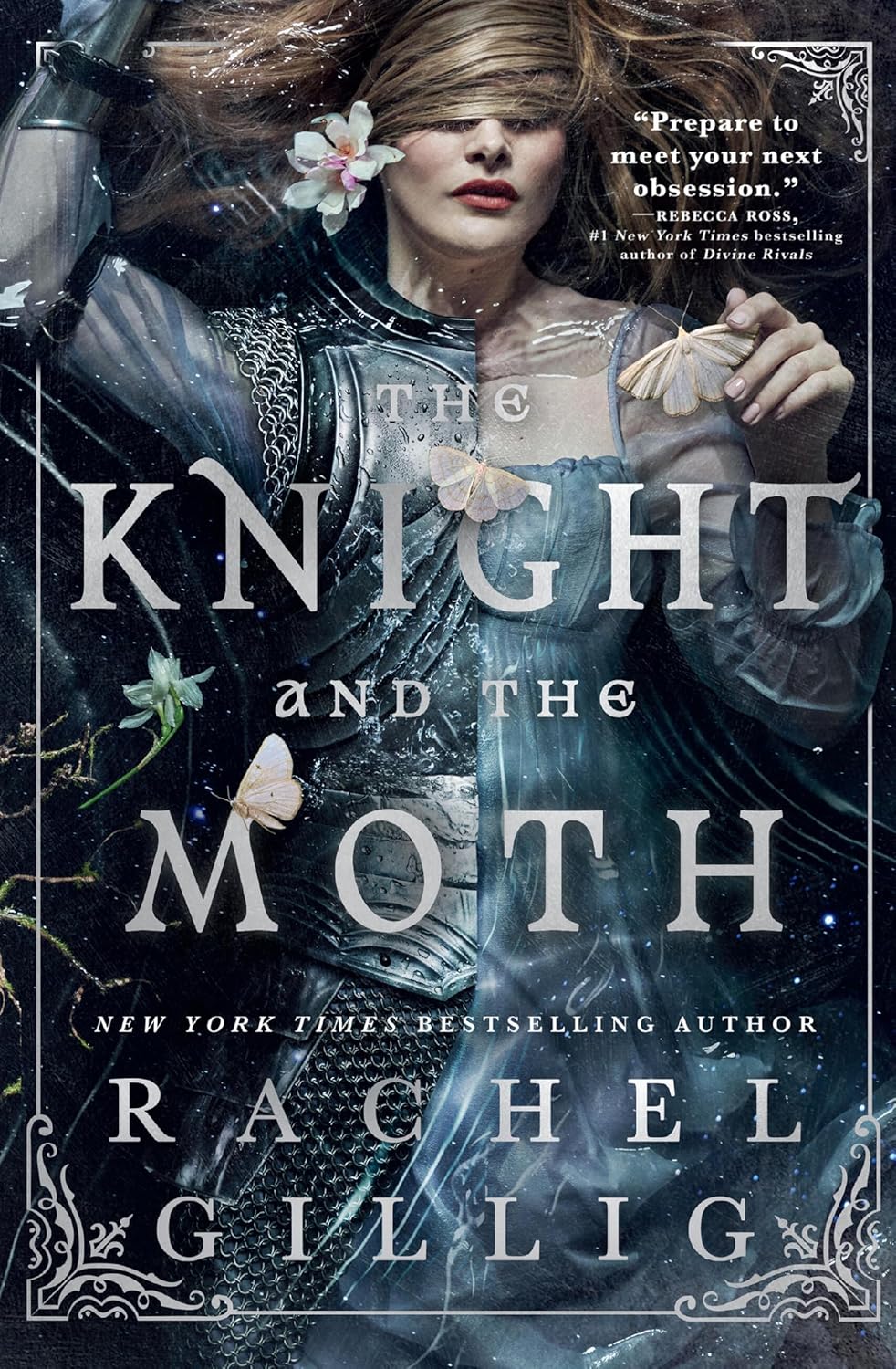
About this book
Enter a world of gothic atmosphere, intricate magic, and simmering romance in this dark fantasy, where faith clashes with free will, and the line between knight and monster blurs.
Sybil Delling has spent nine years dreaming of anything other than dreams at all. Bound to an ancient covenant, she and the other foundling girls of theién Monastery are diviners, able to predict the future through visions granted by six unearthly figures known as the Omens. But when Sybil sees a coming horror—the Stonewater Knights burning the monastery to the ground—she takes desperate action.
Judah, a disillusioned Stonewater Knight, is plagued by guilt and haunted by the horrors he's witnessed. Ordered to destroy theién Monastery and kill the diviners, he defies his superiors and helps Sybil escape, setting them on a collision course with a dark destiny.
As they navigate treacherous landscapes and evade relentless pursuers, Sybil and Judah must confront the truths of their pasts and the forbidden desires igniting between them. But the Omens are always watching, and their prophecies are not easily escaped. Can Sybil and Judah rewrite their fates, or are they destined to become pawns in a game far greater than themselves?
Summary of Key Ideas
- •
Exploitation of Young Women
The exploitation of young women is a central theme in “The Knight and the Moth.” Sybil, known as Six, is bound to an ancient ritual where she is drowned daily beneath the temple, receiving visions from unearthly figures called Omens. This ritualistic drowning highlights the manipulation and sacrifice imposed upon her under the guise of religious duty. The book delves into the consequences of blind faith and the ways in which institutions can exploit individuals, particularly young women, for their own purposes, raising questions about autonomy, agency, and the true cost of devotion.
- •
Burden of Power and Agency
The novel explores the heavy burden of unwanted power and the struggle for self-determination. Sybil's ability to receive visions from the Omens comes at a great personal cost, binding her to a life dictated by ritual and prophecy. She grapples with the desire to control her own destiny versus the perceived obligation to fulfill her divinely appointed role. This internal conflict highlights the theme of agency, as Sybil seeks to reclaim her life and make choices aligned with her own desires rather than those imposed upon her.
- •
Quest for True Identity
Identity is a significant theme in "The Knight and the Moth", particularly as it relates to Sybil. Known primarily as Six, her sense of self is intertwined with her role as a diviner. The arrival of the knight, and the subsequent challenges and revelations, force her to question who she truly is beyond her prescribed identity. The story examines how external expectations and internal desires shape a person's understanding of themselves, and the journey towards discovering and embracing one's authentic identity.
- •
Dangers of Blind Faith
The book explores the complexities and consequences of blind faith. The inhabitants of the Stonewater Kingdom place unwavering trust in the Omens and the diviners who interpret their visions. This unquestioning belief system allows for manipulation and control, as those in power can exploit the people's faith to maintain their authority. The narrative delves into the dangers of religious extremism and the importance of critical thinking, highlighting the potential for faith to be both a source of comfort and a tool of oppression.
- •
Redefining Valor and Knighthood
Valor and knighthood are central themes, particularly as embodied by the character of the knight. The traditional ideals of chivalry and honor are examined within the dark and complex world of the Stonewater Kingdom. The knight's actions and choices challenge conventional notions of heroism, as he grapples with moral dilemmas and the blurred lines between right and wrong. The book questions whether true valor lies in adhering to rigid codes or in making difficult choices that prioritize justice and compassion.
- •
Intrigue and Shifting Alliances
The novel delves into the intricate dynamics of alliances, secrets, and obedience within the Stonewater Kingdom. The arrival of the king and his knights disrupts the established order, leading to shifting allegiances and betrayals. Characters are forced to navigate a web of political intrigue, where secrets are currency and obedience is both a virtue and a weapon. The story explores how power structures influence relationships and the lengths to which individuals will go to protect their interests and maintain control.
Chapter Recap

About The Author
Rachel Gillig
Main Quotes
"You don't have to be good, or useful, for someone to care about you."
"If you only ever look up at something, can you ever see it clearly?"
"You want to throw me down. And I, prideful, disdainful, godless, want to drag you into the dirt with me."
"When you looked up at the rose window, the light kissed stained glass. Your craft was obedience. You said the names of gods and how to read their signs."
"You know this story, Bartholomew, though you do not remember it. I'll tell it to you as best I can and promise to be honest in my talebearing."
"If you value your friend when he fights your battles for you—when he is rogue and ruthless—you must value him when he is gentle, too. Otherwise, you do not value him at all."
"No one is coming to save us."
"All my life, I’ve been told what to want."
"I am selfish, and I am cruel, and I am very good at hurting people."
"She’d made a wager, and she’d lost. That was the end of it."
Who Should Read This Book
Readers of gothic fantasy
Fans of romantasy
Readers who enjoy slow-burn romance
Readers of dark academia
Readers interested in stories featuring prophetesses and knights
Fans of authors like Naomi Novik and Ava Reid
Readers who appreciate folklore and magic
Young adults and adults interested in fairy tales
Readers of books with religious themes and broken faith
Book Summaries Like
The Knight and the Moth
FAQ

Free Access to LitNotes