




 DISCORD
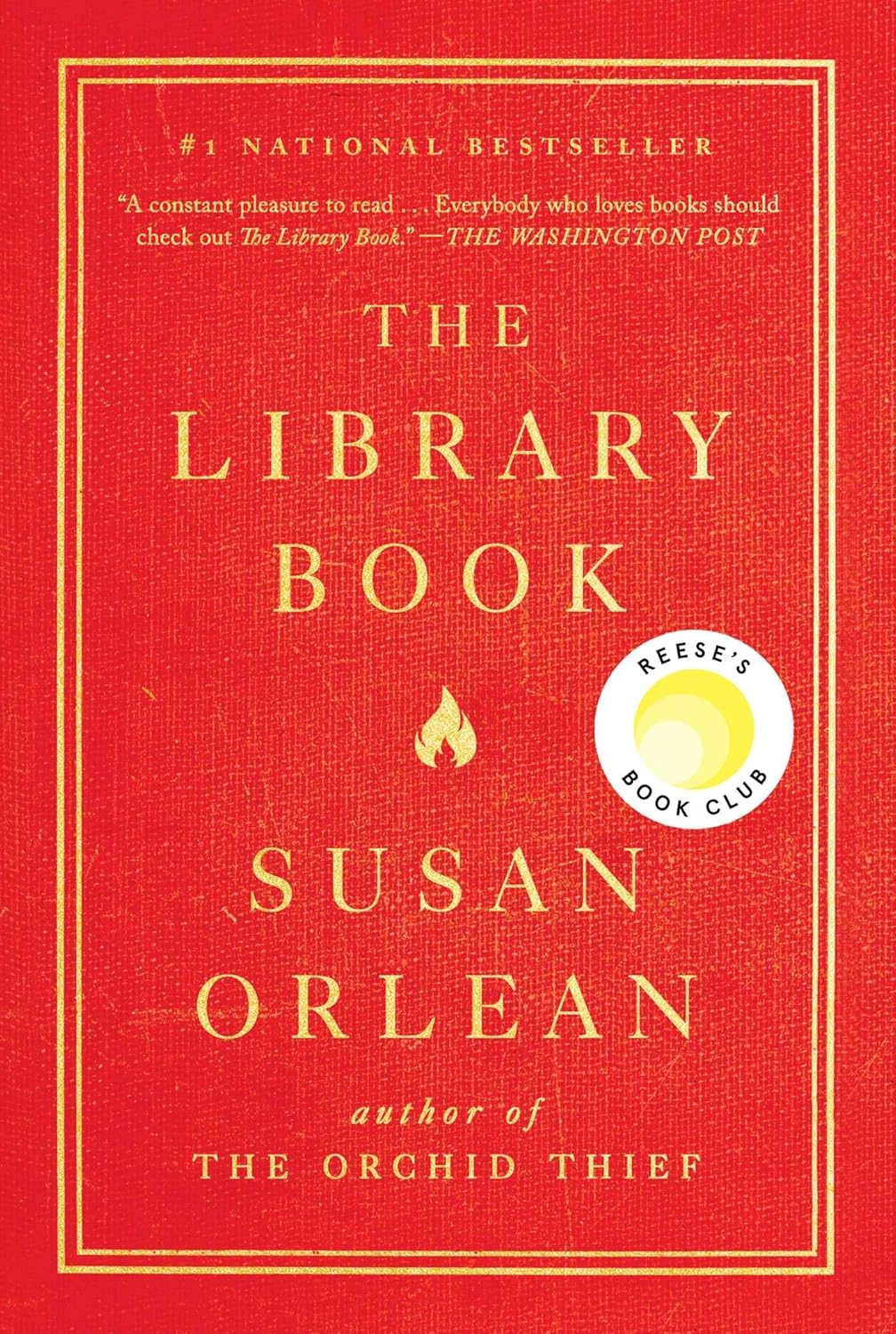
The Library Book
Susan Orlean


 Goodreads Choice Awards
 Apple Books


 120 Min Reading Time
 Audio Version Available
About this book
On April 28, 1986, a devastating fire engulfed the Los Angeles Public Library, consuming 400,000 books and damaging 700,000 more. Over thirty years later, the question remains: was it arson, and if so, who was responsible?
In The Library Book, Susan Orlean weaves a captivating narrative around this unsolved mystery, using it as a lens to explore the profound and essential role libraries play in our lives. More than just a repository of books, the library emerges as a vibrant community hub, a cornerstone of our cultural identity, and a sanctuary for knowledge.
Orlean delves into the library's rich history, introducing us to a cast of unforgettable characters: from the trailblazing Mary Foy, who became head librarian at just eighteen, to the eccentric "Human Encyclopedia," Dr. C.J.K. Jones. She examines the evolution of libraries, reflects on her personal experiences within their hallowed halls, and even attempts to burn a book herself in the name of research.
Part investigation, part love letter, The Library Book is a thrilling journey through the stacks, reminding us why these beloved institutions are more vital now than ever before.
Summary of Key Ideas
- •
Libraries: More Than Just Books
Libraries as Cultural and Intellectual Hubs: The book emphasizes that libraries are much more than repositories of books; they are vital community centers that provide access to information, resources, and a sense of belonging for people from all walks of life. They serve as safe spaces for learning, discovery, and social interaction, playing a crucial role in fostering literacy and intellectual curiosity.
- •
Relevance in the Digital Age
The Enduring Importance of Libraries in a Digital Age: Orlean argues that despite the rise of digital media and online resources, libraries remain essential institutions. They offer access to technology, internet connectivity, and expert guidance for those who may not have these resources at home. Moreover, libraries provide a curated and reliable source of information in an era of misinformation and fake news.
- •
The Unsolved Mystery of the Fire
The Mystery of the 1986 Los Angeles Public Library Fire: A significant portion of the book revolves around the devastating fire that struck the Los Angeles Public Library in 1986. Orlean delves into the investigation, exploring potential suspects and the lasting impact of the fire on the library's collection and the community it served. The fire becomes a symbol of the vulnerability of cultural institutions and the importance of preserving knowledge.
- •
Guardians of Collective Memory
Memory, History, and the Preservation of Knowledge: Orlean reflects on the ways in which libraries function as collective memory keepers, preserving not only books but also the stories, experiences, and histories of individuals and communities. The book underscores the importance of libraries in safeguarding cultural heritage and making it accessible to future generations.
- •
Personal Connections and Stories
The Human Connection to Books and Libraries: Throughout the book, Orlean highlights the personal relationships people have with books and libraries. She shares anecdotes and interviews that reveal the emotional and intellectual connections individuals form with specific books, librarians, and the library environment itself. This emphasizes the profound impact libraries can have on individual lives.
- •
Librarians: Guides to Knowledge
The Role of Librarians as Knowledge Navigators: Orlean showcases the dedication and expertise of librarians, who act as guides and facilitators in the vast world of information. She emphasizes their role in helping people find the resources they need, navigate complex information landscapes, and develop critical thinking skills. Librarians are portrayed as essential figures in promoting literacy and lifelong learning.
- •
Democracy's Cornerstones
Libraries as Symbols of Democracy and Open Access: The book implicitly argues that libraries are cornerstones of a democratic society, providing free and equal access to information for all citizens. This open access is crucial for informed participation in civic life, promoting social mobility, and fostering a more just and equitable society.
- •
Community Hubs and Safe Spaces
The Power of Place and Community: Orlean illustrates how libraries create a sense of place and foster community. They are spaces where people can gather, connect, and engage in shared experiences, contributing to social cohesion and a sense of belonging. Libraries serve as anchors in their communities, providing stability and support.
Chapter Recap

About The Author
Susan Orlean
Main Quotes
"Destroying a culture's books is sentencing it to something worse than death: It is sentencing it to seem as if it never lived."
"The library is an easy place to be when you have no place you need to go and a desire to be invisible."
"A library is a good place to soften solitude; a place where you feel part of a conversation that has gone on for hundreds and hundreds of years."
"People think of libraries as the safest and most open places in society. Setting them on fire is like announcing that nothing, and nowhere, is safe."
"In the library, time is dammed up--not just stopped but saved."
"It is where we can glimpse immortality; in the library, we can live forever."
"Any book accidentally shelved in the sections that burned; we will never know what they were, so we cannot know what we are missing."
"There was a sense of stage business—that churn of activity you can't hear or see but you feel at a theater in the instant before the curtain rises."
"He asked her to give him a list of the irreplaceable items in the building, in case that was all they could save."
"Libraries are sanctuaries from the world's harshness."
Who Should Read This Book
Lovers of books and libraries
Readers interested in true crime and mysteries
Those fascinated by the history of Los Angeles
Fans of Susan Orlean's previous works
Individuals interested in the social and cultural role of libraries
Readers who enjoy narrative nonfiction
Book club members
People interested in architecture and design, particularly of libraries
Those who appreciate literary investigations
Book Summaries Like
The Library Book
FAQ

Free Access to LitNotes