




 DISCORD
The Lincoln Lawyer
Michael Connelly


 Apple Books


 118 Min Reading Time
 Audio Version Available
About this book
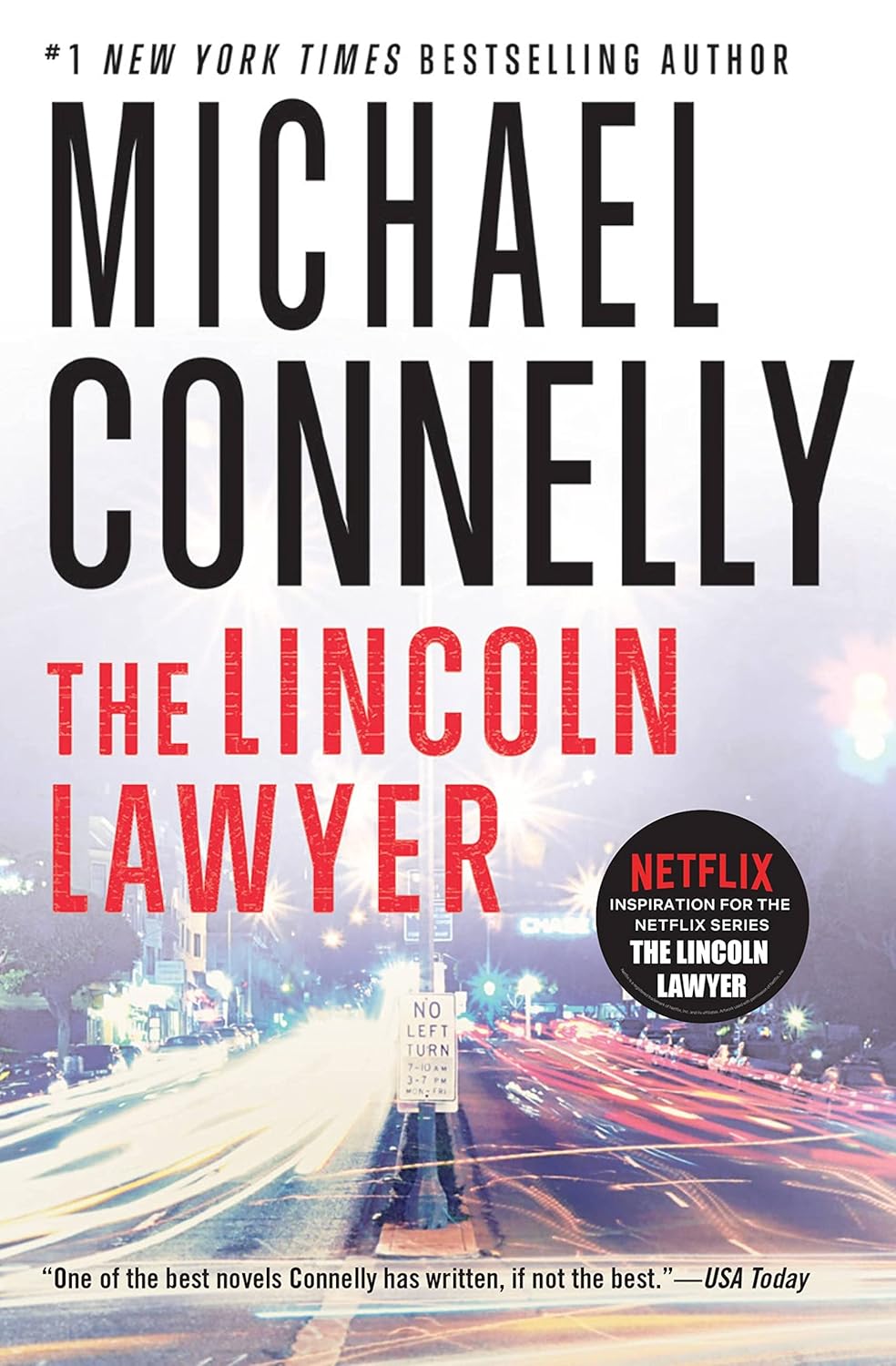
Mickey Haller, a Lincoln Lawyer who works from the back seat of his Town Car, knows the law isn't about innocence—it's about negotiation and manipulation. His client list includes bikers, con artists, and drug dealers, but when a Beverly Hills playboy is arrested for assault, Haller lands the franchise case of his career. What seems like an easy win quickly spirals into a nightmare. As the evidence mounts, Haller believes he's found a truly innocent client, until someone close to him is murdered. Now, face-to-face with pure evil, Haller must use every instinct and tactic to escape a deadly game where justice demands the ultimate sacrifice: his own life.
Summary of Key Ideas
- •
The Lincoln as a Mobile Office
Mickey Haller, the protagonist, operates his law practice out of his Lincoln Town Car, navigating the sprawling landscape of Los Angeles to represent his clients. This unconventional office space symbolizes his flexible approach to law and his connection to the streets, allowing him to be accessible to a diverse clientele, from petty criminals to more affluent individuals caught in legal trouble. The Lincoln becomes an extension of his identity, a mobile command center where deals are made, strategies are discussed, and lives are impacted. It underscores his resourcefulness and adaptability in a challenging and often morally ambiguous profession.
- •
Ethical Ambiguity in Criminal Defense
The novel delves into the ethical dilemmas faced by criminal defense attorneys. Mickey often represents clients he knows are guilty, raising questions about the morality of defending criminals and the role of a lawyer in the justice system. He grapples with the consequences of his choices, questioning whether his duty to defend his clients outweighs the potential harm they might inflict on society. The book explores the shades of gray within the legal profession, where winning isn't always synonymous with justice and the pursuit of truth can be a murky endeavor.
- •
Cynicism vs. Duty
Mickey Haller's cynicism stems from years of experience in the criminal justice system, witnessing its flaws and inconsistencies firsthand. He's seen innocent people wrongly accused and guilty individuals walk free, leading to a jaded outlook on the pursuit of justice. Despite his cynicism, Haller retains a sense of duty to his clients, even the guilty ones. He navigates the system with a mixture of skepticism and pragmatism, using his knowledge of the law to achieve the best possible outcome for those he represents, even if it means bending the rules or exploiting loopholes.
- •
The Tangled Web of Cases
Haller's initial case involving Louis Roulet, a wealthy real estate broker accused of assault, seems straightforward but quickly unravels into a complex web of deceit and danger. As Haller investigates, he discovers connections to a past case, suggesting a pattern of manipulation and violence. The deeper he digs, the more perilous the situation becomes, forcing him to confront his own past mistakes and the potential consequences of his actions. This intertwining of cases highlights the cyclical nature of crime and the far-reaching impact of legal decisions.
- •
The Pursuit of Redemption
The novel underscores the theme of redemption as Mickey seeks to atone for past errors and make amends for the harm he may have inadvertently caused. Realizing that he unknowingly helped a guilty man evade justice in the past, Haller is driven to ensure that the truth prevails in the Roulet case. This desire for redemption motivates him to take risks and challenge the system, demonstrating a commitment to justice that transcends his initial cynicism. His transformation highlights the possibility of personal growth and moral awakening, even within the often-corrupt world of criminal law.
- •
Wealth and Justice: An Unequal Playing Field
Throughout the book, the stark contrast between wealth and justice is apparent. Roulet's affluence grants him access to resources and legal representation that are unavailable to less privileged defendants. This disparity raises questions about fairness and equality within the legal system, suggesting that justice is not always blind but can be influenced by financial means. Haller must navigate this imbalance, using his wit and street smarts to level the playing field and ensure that his client receives a fair trial, regardless of his socioeconomic status.
Chapter Recap

About The Author
Michael Connelly
Main Quotes
"There is no client as scary as an innocent man."
"Don't do the crime if you can't pay for my time."
"The law was a large, rusting machine that sucked up people and lives and money. I was just a mechanic. I had become expert at going into the machine and fixing things, bending the metal, convincing the gears to turn in a certain direction."
"You know what my father said about innocent clients? He said the scariest client a lawyer will ever have is an innocent client."
"I always say cases go in like a lion and come out like a lamb."
"Opening Statements Are Special. It's Your Time To Bond With The Jury, But Go On Too Long, You'll Lose Them."
"Lisa, I'm your attorney right now. I'll tell you what I tell every client. It doesn't matter what I think. It's irrelevant."
"No negotiation, no plea bargain, no middle ground. There's only one verdict. You have to put an NG up on the scoreboard. There's no other verdict but not guilty."
"The best crime novels are not about how a detective works on a case; they are about how a case works on a detective."
"Louis looked a little frail when I saw him back in the lockup. If I were you I would get him out of there as soon as possible."
Who Should Read This Book
Readers of legal thrillers
Fans of crime fiction
Readers interested in stories set in Los Angeles
Fans of Michael Connelly's other works, particularly the Harry Bosch series
Those who enjoy courtroom dramas
Readers who appreciate morally ambiguous protagonists
Viewers of "The Lincoln Lawyer" TV series on Netflix
Book Summaries Like
The Lincoln Lawyer

FAQ

Free Access to LitNotes