




 DISCORD
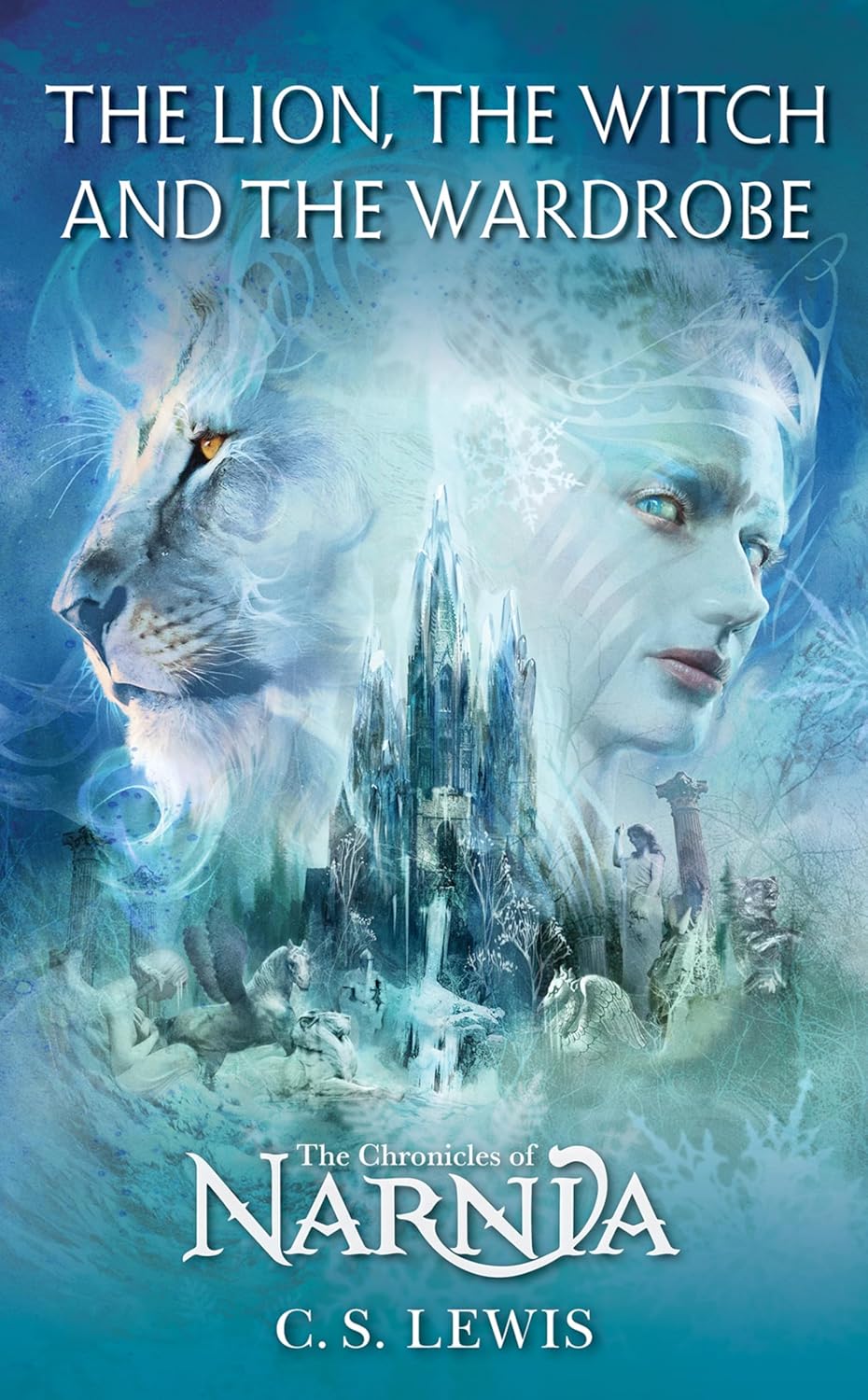
The Lion, the Witch and the Wardrobe Color Gift Edition
C.S. Lewis


 Barnes & Noble Bestsellers


 45 Min Reading Time
 Audio Version Available
About this book
Step through the wardrobe and into a dazzling, timeless world in this special color gift edition of C.S. Lewis's beloved classic, The Lion, the Witch and the Wardrobe. Join siblings Peter, Susan, Edmund, and Lucy as they discover the enchanted land of Narnia, a realm of talking animals, mythical creatures, and breathtaking landscapes, now brought to life with stunning full-color illustrations.
But Narnia is under a dark spell, imprisoned in perpetual winter by the evil White Witch. The children must join forces with the noble and magical lion, Aslan, to break the witch's icy grip and restore spring to this fantastical kingdom. Experience the epic battle between good and evil, filled with courage, sacrifice, and the triumph of hope.
Perfect for longtime fans and new readers alike, this beautifully illustrated edition is a treasure to be cherished, inviting you to rediscover the wonder and magic of Narnia. Immerse yourself in a world where anything is possible, and where faith, love, and bravery can conquer even the darkest of winters.
Summary of Key Ideas
- •
The Eternal Battle Between Good and Evil
The overarching theme of good versus evil is central to the narrative. Aslan, the noble lion, represents pure good, embodying self-sacrifice, justice, and love. In stark contrast, the White Witch embodies evil, wielding her power to create eternal winter and oppress Narnia's inhabitants. The children's journey through Narnia forces them to confront this conflict, ultimately choosing to align themselves with Aslan and fight against the Witch's tyranny. This struggle highlights the importance of moral choices and the enduring power of goodness to overcome darkness, a prevalent theme throughout the Chronicles of Narnia.
- •
The Power of Sacrifice and Redemption
Sacrifice is a potent theme, most notably embodied by Aslan's selfless act on the Stone Table. He willingly offers his life to atone for Edmund's betrayal, adhering to the Deep Magic and demonstrating the ultimate act of love and redemption. This sacrifice is not in vain, as Aslan's subsequent resurrection signifies the triumph over death and the renewal of hope. The theme underscores the profound impact of selflessness and the power of sacrifice to bring about positive change and renewal, impacting not only individual lives but also the fate of an entire world.
- •
The Importance of Loyalty and the Sting of Betrayal
Loyalty and betrayal are pivotal elements driving the plot. Edmund's initial betrayal of his siblings, tempted by the White Witch's promises, sets off a chain of events that plunge Narnia into deeper peril. His actions highlight the consequences of succumbing to selfish desires and the importance of remaining steadfast in one's allegiances. Conversely, the unwavering loyalty of Peter, Susan, and Lucy to each other and to Aslan demonstrates the strength of familial bonds and the importance of standing up for what is right, even in the face of adversity. Edmund's eventual redemption further emphasizes the possibility of forgiveness and the restoration of trust.
- •
The Wardrobe as a Portal to Transformation
The journey through the wardrobe serves as a symbolic portal to a realm of magic and wonder, representing the transition from childhood innocence to a world of moral complexity and adventure. Narnia itself becomes a landscape of transformation, where the children confront their fears, discover their strengths, and ultimately embrace their destinies. This journey emphasizes the transformative power of new experiences and the importance of venturing beyond the familiar to discover one's true potential. The return to their own world signifies a changed perspective and a deeper understanding of themselves and the world around them.
- •
The Boundless Nature of Forgiveness
Forgiveness is intricately woven into the fabric of the narrative, exemplified by Aslan's unconditional acceptance of Edmund after his betrayal. Despite Edmund's grave mistake, Aslan offers him forgiveness and a chance at redemption, highlighting the boundless nature of grace and the possibility of overcoming past transgressions. This act of forgiveness underscores the importance of empathy and understanding, demonstrating that even those who have strayed can find their way back to the path of righteousness. It reinforces the idea that second chances are possible and that redemption can lead to personal growth and renewal.
- •
Embracing Destiny and Fulfilling Prophecy
The story explores the concept of destiny and the fulfillment of prophecy. The prophecy of the four human children becoming kings and queens of Narnia is a driving force, shaping their journey and guiding them towards their ultimate roles. As they embrace their destinies, they demonstrate the importance of accepting responsibility and using their power for the greater good. This theme highlights the idea that individuals have a purpose and that fulfilling one's destiny requires courage, wisdom, and a willingness to serve others. It suggests that even ordinary individuals can achieve extraordinary things when they align themselves with a higher purpose.
Chapter Recap

About The Author
C.S. Lewis
Main Quotes
"“Safe?” said Mr. Beaver; “don’t you hear what Mrs. Beaver tells you? Who said anything about safe? ‘Course he isn’t safe. But he’s good.”"
"“Wrong will be right, when Aslan comes in sight,"
"At the sound of his roar, sorrows will be no more,"
"When he bares his teeth, winter meets its death,"
"And when he shakes his mane, spring shall come again.”"
""To give up something you really like, that's brave.""
"“But perhaps, sooner or later, one has to take the risk.”"
"“If I’d been the Proper Sort of chap, I’d have stuck to my story the first day, and nobody would have dared to disbelieve me.”"
"“Is he a man?” asked Lucy. “Aslan a man!” said Mr. Beaver sternly. “Certainly not. I tell you he is the King of the wood and the son of the great Emperor-Beyond-the-Sea.”"
"“And now,” said Aslan rather sternly, “here is your real trouble. Which of you will help me?”"
"“Do you know,” said Peter, “I believe that was the White Stag that we’ve heard so much about in the stories? I do believe we’ve come to the end of Narnia.”"
""Once a king or queen in Narnia, always a king or queen.""
"“It is very true,” said the eldest of the four fauns, “that once people could come and go between this world and ours, in other words, between the world of men and the world of Narnia.”"
Who Should Read This Book
- Middle grade readers (ages 8-12)
- Families who enjoy reading aloud together
- Fans of fantasy and adventure stories
- Readers interested in Christian allegory
- Gift-givers looking for a classic, beautifully illustrated edition
- Collectors of Narnia books
- Educators and librarians seeking engaging literature for young readers
Book Summaries Like
The Lion, the Witch and the Wardrobe Color Gift Edition
FAQ

Free Access to LitNotes