




 DISCORD
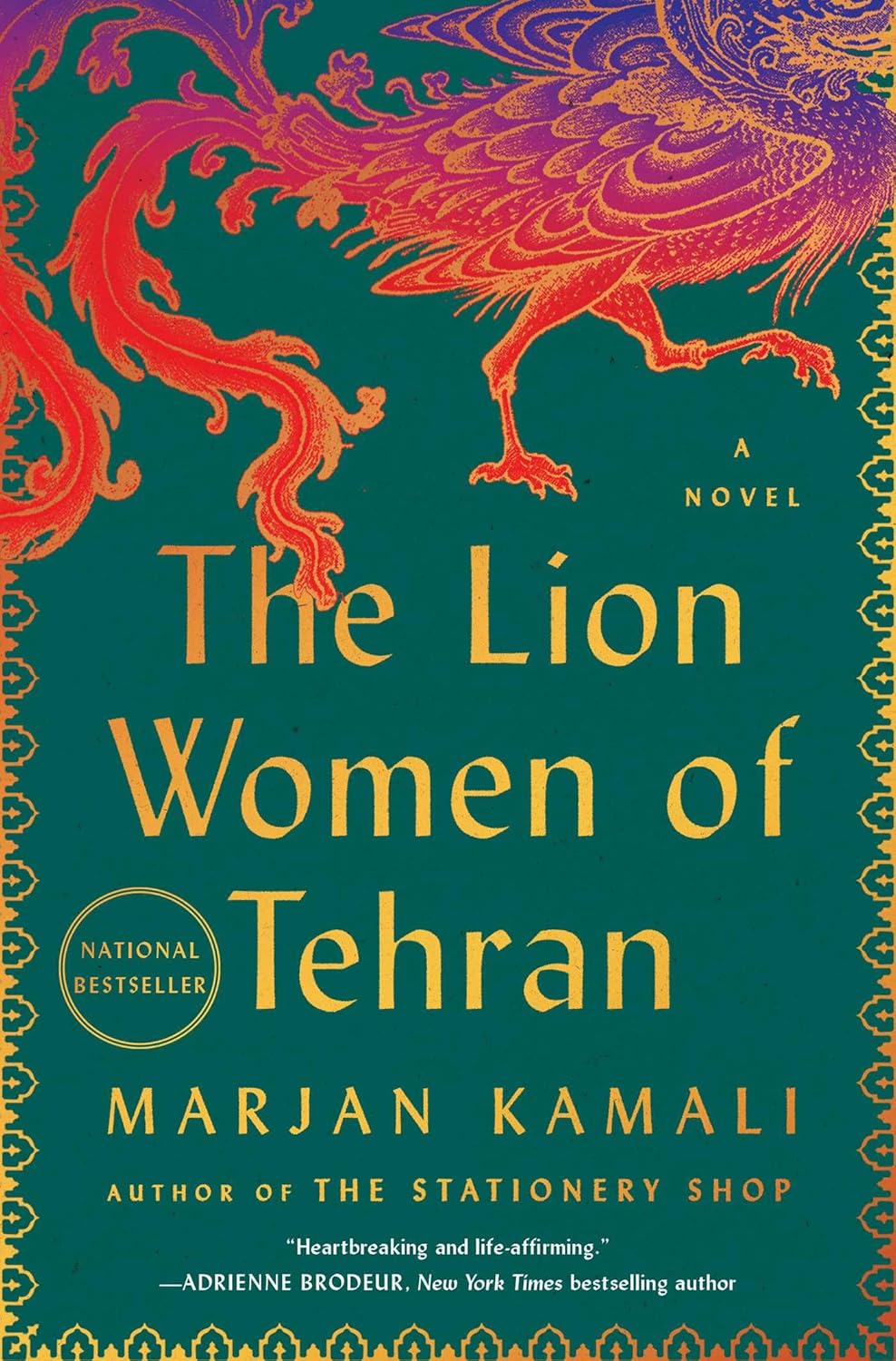
The Lion Women of Tehran
Marjan Kamali


 Goodreads Choice Awards
 Apple Books


 59 Min Reading Time
 Audio Version Available
About this book
In 1950s Tehran, amidst a city on the cusp of change, two young girls, Ellie and Homa, forge a bond that will define their lives. "The Lion Women of Tehran" follows their intertwined destinies through three turbulent decades of Iranian history, from the glittering reign of the Shah to the revolution that transforms their world forever.
As Ellie and Homa navigate family secrets, forbidden loves, and the constraints placed upon women in their society, their friendship becomes a sanctuary. They dream of a future where they can be independent, where their voices can be heard, and where they can roar like the lionesses they aspire to be. But as political unrest simmers beneath the surface of their seemingly modern city, their loyalty is tested, and they must confront difficult choices that could shatter their bond.
A sweeping saga of friendship, betrayal, and resilience, Marjan Kamali's "The Lion Women of Tehran" is a powerful portrait of a nation in upheaval and the extraordinary women who dare to fight for their place in it. Evoking the vibrant sights and sounds of Tehran, this unforgettable novel explores the complexities of female friendship, the enduring strength of the human spirit, and the sacrifices we make for love and country.
Summary of Key Ideas
- •
The Enduring Power of Female Friendship
The novel intricately explores the profound and complex bonds of female friendship, particularly through the relationship between Ellie and Homa. Their connection, tested by social class differences, personal ambitions, and the tumultuous political landscape of Iran, showcases the resilience and enduring power of female solidarity. Despite facing betrayals, jealousies, and diverging paths, their friendship serves as a constant anchor, illustrating how shared experiences and mutual support can help women navigate personal and political challenges. This theme highlights the importance of female relationships in providing strength, identity, and a sense of belonging amidst societal upheaval.
- •
The Impact of Political Upheaval on Personal Lives
Set against the backdrop of mid-20th century Tehran, the novel vividly portrays the transformative impact of political upheaval on everyday life. The story chronicles the societal shifts leading up to and following the Iranian Revolution, revealing how political instability disrupts personal lives, alters social structures, and forces individuals to make difficult choices. The characters grapple with issues of political freedom, social justice, and the suppression of dissent, illustrating the far-reaching consequences of authoritarian regimes on personal liberties and human rights. Through their experiences, the novel underscores the importance of political awareness and resistance in the face of oppression.
- •
Navigating Social Class Divides
The novel delves into the theme of social class and its impact on opportunities and relationships. Ellie and Homa's differing socio-economic backgrounds shape their experiences, aspirations, and interactions. Ellie's initial privilege contrasts sharply with the challenges Homa faces, highlighting the inequalities within Iranian society. As their lives unfold, the novel examines how social class influences access to education, career prospects, and social mobility, revealing the systemic barriers that perpetuate inequality. Through the characters' journeys, the novel prompts reflection on the role of privilege and disadvantage in shaping individual destinies.
- •
Celebrating the Courage of Iranian Women
“The Lion Women of Tehran” celebrates the courage and resilience of Iranian women who fought for social and political change. Inspired by the “shir zan,” or lion women, of Iran, the novel portrays women who actively challenge patriarchal norms, advocate for women's rights, and resist oppressive regimes. Whether through overt activism or subtle acts of defiance, these characters embody strength, determination, and a commitment to justice. Their stories highlight the pivotal role of women in shaping Iranian history and the ongoing struggle for gender equality in the face of cultural and political constraints.
- •
The Complexities of Betrayal and Jealousy
The narrative explores the themes of betrayal and jealousy, demonstrating how these emotions can strain even the closest relationships. The characters grapple with feelings of envy and mistrust, which lead to conflicts and difficult choices. The impact of betrayal is shown to have long-lasting effects, influencing the character’s actions and relationships throughout the novel. By examining these themes, Kamali highlights the complexities of human nature and the challenges of maintaining trust and loyalty in a world filled with uncertainty and change.
- •
Searching for Identity and Belonging
The novel explores the search for identity and belonging, particularly in the context of cultural and political displacement. Characters grapple with questions of who they are and where they belong as they navigate changing social landscapes and personal challenges. The theme of identity is particularly relevant for characters who experience migration or feel alienated from their own culture due to political or social pressures. The novel examines how individuals negotiate their sense of self amidst conflicting loyalties and expectations, highlighting the universal human need for connection and purpose.
Chapter Recap

About The Author
Marjan Kamali
Main Quotes
"While to our eyes, waves appear suddenly on the shore, their abruptness is an illusion. Waves begin their journey thousands of miles out at sea."
"Waves begin their journey thousands of miles out at sea. They accumulated shape and power from winds and undersea currents for ages. And so when you see the women screaming in Iran for their rights, please remember, dear Leily, that the force and fury of our screams have been gathering power for years."
"That’s how losses of rights build. They start small. And then soon, the rights are stripped in droves."
"I knew belief in the powers of other people's jealousy and the jinxing of an evil eye needed to be cast off."
"A bird from the fables."
"Remember above all to always love."
"Orange, lily, jasmine, and rose notes nestled in the lines of my palms and the fibers of my clothes."
"Look at you, Ellie! Soon you'll take over this whole…"
Who Should Read This Book
Readers of historical fiction, particularly those interested in 20th-century Iran
Readers interested in stories about female friendship and coming-of-age
Readers who enjoy books exploring themes of class, wealth, and social change
Readers of Middle Eastern literature and diaspora stories
Book clubs
Readers who appreciate character-driven narratives
Readers who enjoy stories about political activism and social justice
Book Summaries Like
The Lion Women of Tehran
FAQ

Free Access to LitNotes