




 DISCORD
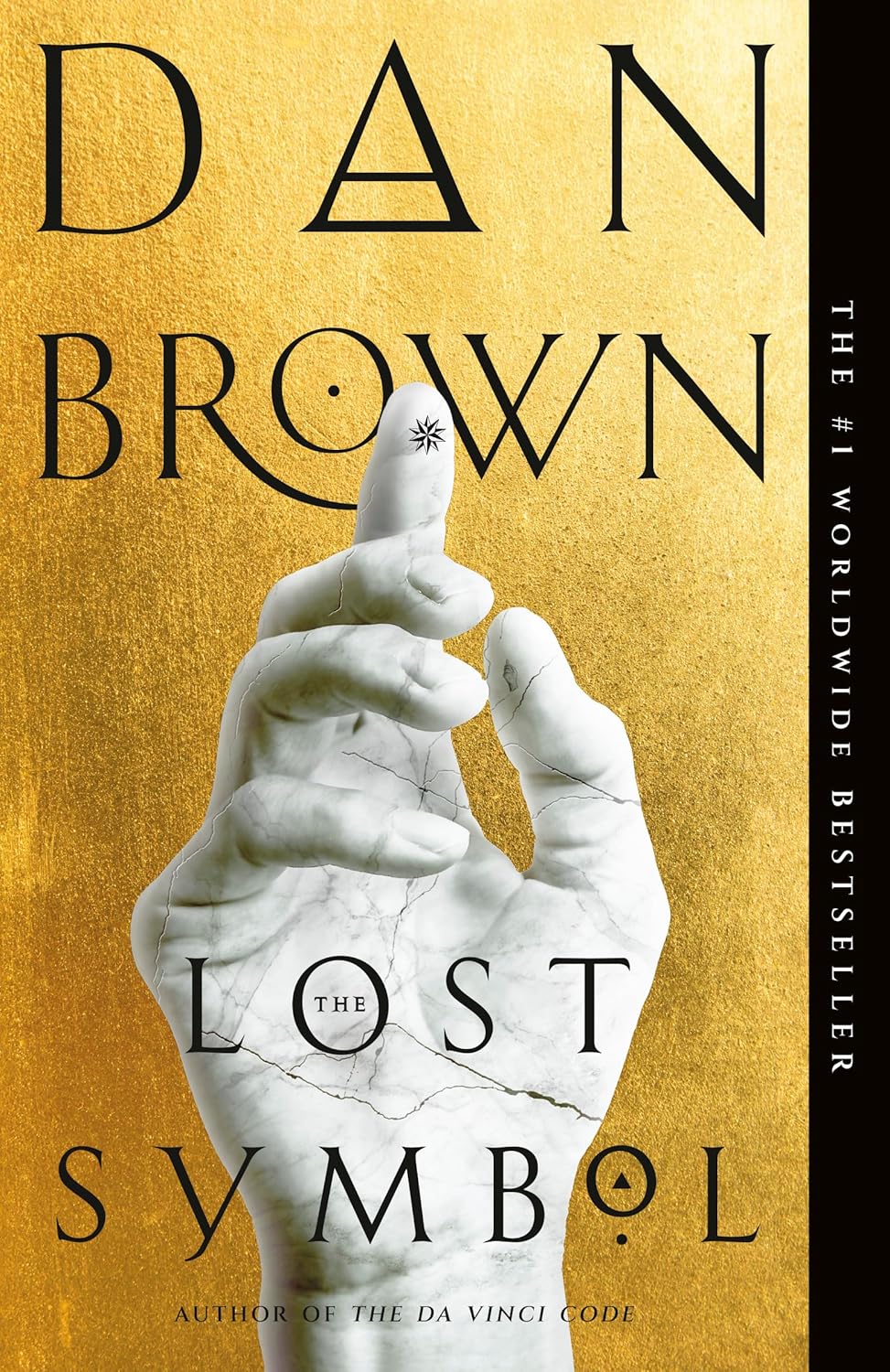
The lost symbol
Dan Brown


 Amazon Best Sellers
 Apple Books


 103 Min Reading Time
 Audio Version Available
About this book
Summoned to the U.S. Capitol Building for an unexpected lecture, Harvard symbologist Robert Langdon finds himself drawn into a chilling conspiracy. A disturbing object, marked with five mysterious symbols, is discovered, revealing an ancient invitation to a hidden world of dangerous, esoteric wisdom.
When Langdon's esteemed mentor, Peter Solomon, a prominent Mason and philanthropist, is kidnapped, Langdon realizes he must decipher the symbols to save his friend. He plunges into a clandestine realm of Masonic secrets, unseen tunnels and temples beneath Washington D.C., and forgotten history, all while being pursued by a terrifying adversary.
In this heart-stopping thriller, Langdon races against time through a labyrinth of codes and hidden truths, hurtling toward a shocking revelation that could shake the foundations of everything we believe. Will he unlock the lost symbol before it's too late?
Summary of Key Ideas
- •
Unveiling Masonic Secrets and Their Influence
The novel explores the power of ancient mysteries and secret societies, particularly focusing on the Freemasons and their influence in American history and the construction of Washington, D.C. The Lost Symbol suggests that these societies hold profound wisdom and knowledge that, if understood, could unlock human potential. The story intertwines historical facts with fictional interpretations of Masonic rituals and beliefs, inviting readers to question the true nature and purpose of these organizations. This theme adds a layer of intrigue and challenges readers to discern fact from fiction while considering the hidden influences shaping society.
- •
Unlocking Latent Human Potential
A central idea revolves around the concept of latent human potential and the belief that individuals possess untapped mental and spiritual capabilities. The book suggests that through understanding ancient symbols, practices, and esoteric knowledge, people can unlock these hidden powers and achieve enlightenment or self-transformation. This theme promotes the idea of self-improvement and the exploration of inner capabilities, resonating with readers interested in personal growth and the power of the human mind. It posits that true transformation comes from within, through understanding oneself and the symbolic world around us.
- •
The Power of Symbolism and Hidden Messages
The narrative emphasizes the importance of symbolism as a means of conveying profound truths and hidden messages. Symbols, whether architectural, historical, or religious, are presented as keys to unlocking deeper understanding and accessing ancient wisdom. Robert Langdon's expertise in symbology becomes crucial as he deciphers clues and navigates the intricate web of secrets. This theme highlights the power of visual language and the idea that symbols, often overlooked, hold significant meaning and can reveal hidden aspects of history, spirituality, and the human experience. The book encourages readers to look beyond the surface and interpret the hidden meanings within symbols.
- •
Bridging Science and Religion
The book delves into the intersection of science and religion, suggesting that these two seemingly opposing forces can coexist and even complement each other. It explores concepts such as noetics and the power of human consciousness, bridging the gap between scientific inquiry and spiritual beliefs. By presenting scientific theories alongside religious concepts, the novel challenges readers to consider alternative perspectives and explore the potential for harmony between these two domains. This theme promotes intellectual curiosity and open-mindedness, suggesting that true understanding requires embracing both scientific and spiritual insights.
- •
Washington, D.C. as a Symbolic City
The Lost Symbol presents Washington, D.C., not merely as a political center, but as a city intentionally designed with symbolic architecture and hidden meanings. The layout of streets, monuments, and buildings is portrayed as reflecting Masonic principles and esoteric knowledge. This theme reveals the hidden layers of meaning embedded within the city's infrastructure, suggesting that its design was intended to convey deeper messages and influence those who inhabit it. It encourages readers to view familiar landmarks in a new light, recognizing the symbolic intentions behind their creation and questioning the extent of hidden influences in urban planning.
- •
Transformation and the Path to Enlightenment
The narrative explores the theme of transformation and initiation, both on a personal and societal level. The characters undergo trials and challenges that force them to confront their beliefs and evolve as individuals. The concept of initiation into secret societies is also portrayed, highlighting the idea of earning knowledge and wisdom through dedication and perseverance. This theme underscores the importance of personal growth, resilience, and the transformative power of knowledge. It suggests that true understanding comes through overcoming obstacles and embracing new perspectives, leading to a profound shift in consciousness.
Chapter Recap

About The Author
Dan Brown
Main Quotes
"To live in the world without becoming aware of the meaning of the world is like wandering about in a great library without touching the books."
"Knowledge is a tool, and like all tools, its impact is in the hands of the user."
"Everything is possible. The impossible just takes longer."
"The act of tattooing one's skin was a transformative declaration of power, an announcement to the world: I am in control of my own flesh."
"Great minds are always feared by lesser minds."
"Time is a river…and books are boats. Many volumes start down that stream, only to be wrecked and lost beyond recall in its sands."
"Symbols can be dangerous."
"The human body is a cell-replicating, protein-synthesizing machine, designed to last for approximately one hundred years. If we give it the right fuel."
"The power of prayer is still the greatest weapon in the world."
"What you see is what you wish to see."
Who Should Read This Book
Readers of thriller and mystery novels
Fans of Dan Brown's previous books, particularly those featuring Robert Langdon
Individuals interested in رمزيات, secret societies, and historical conspiracies
Readers who enjoy رمزيات involving puzzles, codes, and رمزيات history
People interested in رمزيات set in Washington, D.C.
Readers who appreciate رمزيات with رمزيات paced plots and رمزيات amounts of suspense
Individuals interested in رمزيات that blend fiction with elements of رمزيات history and رمزيات
Book Summaries Like
The lost symbol

FAQ

Free Access to LitNotes