




 DISCORD
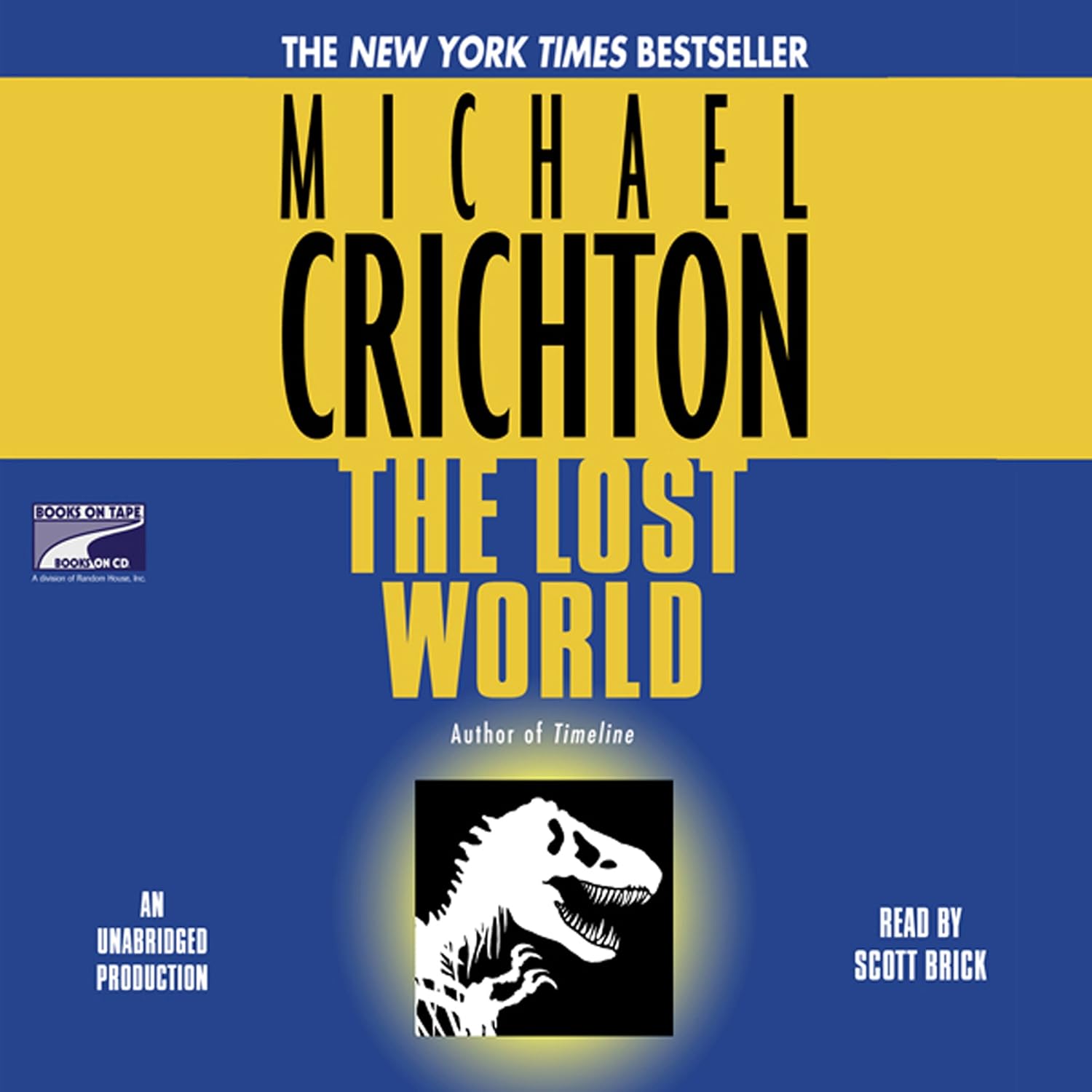
The Lost World
Michael Crichton


 Amazon Best Sellers
 Barnes & Noble Bestsellers


 76 Min Reading Time
 Audio Version Available
About this book
Six years after the catastrophic destruction of Jurassic Park, mathematician Ian Malcolm learns of disturbing new evidence suggesting that a second, secret island exists where dinosaurs are not only alive but thriving.
Drawn into an expedition to this uncharted territory, Malcolm, along with paleontologist Richard Levine and a team of experts, venture into a perilous lost world teeming with prehistoric predators. As they uncover the secrets of the island's past and the genetic engineering marvels that made it possible, they quickly realize they are not alone.
Battling corporate espionage, ruthless mercenaries, and the terrifying creatures that rule the land, the group struggles to survive in a world where the past has been resurrected with deadly consequences. "The Lost World" plunges into the darkest corners of genetic research and the terrifying potential of unchecked scientific ambition, delivering a pulse-pounding adventure where extinction is only the beginning.
Summary of Key Ideas
- •
The Perils of Scientific Arrogance
The core of "The Lost World" revolves around the inherent dangers of tampering with nature and the unintended consequences that arise from scientific hubris. The scientists, driven by ambition and a thirst for discovery, fail to fully grasp the complexities of the ecosystems they are disrupting. This leads to catastrophic events, highlighting the importance of respecting the natural world and acknowledging the limitations of human knowledge and control. The novel serves as a cautionary tale about the potential for even well-intentioned scientific endeavors to go awry when ethical considerations and a deep understanding of ecological balance are neglected.
- •
The Unpredictability of Chaos Theory
Chaos theory plays a central role in "The Lost World," emphasizing the unpredictable nature of complex systems. The dinosaurs' survival and proliferation on Isla Sorna demonstrate how small changes can lead to significant and unforeseen outcomes. Despite the scientists' attempts to control and understand the environment, the inherent chaos of the island constantly undermines their efforts, highlighting the futility of seeking complete control over nature. This theme underscores the importance of acknowledging uncertainty and preparing for unexpected events in any complex undertaking.
- •
The Destructive Force of Corporate Greed
"The Lost World" delves into the theme of corporate greed and its destructive impact on scientific integrity and environmental safety. BioSyn's clandestine operations on Isla Sorna, driven by profit motives, exemplify the dangers of prioritizing financial gain over ethical considerations. The corporation's reckless actions lead to environmental damage and endanger human lives, illustrating the corrupting influence of greed and the need for responsible corporate governance in scientific ventures. This theme highlights the conflict between commercial interests and the responsible stewardship of nature.
- •
The Specter of Extinction
The concept of extinction, both past and potential, is a significant theme in the novel. The dinosaurs' re-emergence highlights the fragility of life and the ever-present threat of extinction. The narrative explores the factors that contribute to species survival and demise, raising questions about humanity's role in the current extinction crisis. The characters grapple with the ethical implications of bringing back extinct species and the potential consequences for existing ecosystems, emphasizing the responsibility that comes with wielding such power.
- •
The Importance of Parental Guidance
The novel explores the theme of absent or dysfunctional parenting, drawing parallels between the dinosaurs' behavior and human family dynamics. The raptors' lack of parental guidance, as highlighted in the narrative, contributes to their aggressive and unpredictable nature. The human characters also grapple with their own parental roles and responsibilities, adding another layer to the exploration of nature versus nurture. This theme suggests that the absence of proper guidance and care can have profound effects on both individuals and entire species.
- •
Humanity's Place in the Natural Order
"The Lost World" questions humanity's place in the natural order and our relationship with other species. The re-emergence of dinosaurs challenges the notion of human dominance and forces the characters to confront their own vulnerability. The novel suggests that humans are not separate from nature but rather an integral part of a complex web of life. This realization underscores the importance of humility and respect for all living creatures, promoting a more balanced and sustainable approach to our interaction with the environment.
Chapter Recap

About The Author
Michael Crichton
Main Quotes
""Ignoring the possible consequences of our actions is a luxury that we can no longer afford.""
""This isn't some Disney fantasy. We're dealing with forces we don't understand, and the potential for disaster is enormous.""
""The history of science is the history of arrogance corrected.""
""Life breaks free. Life expands to new territories. Life survives painlessly, maybe even joyously.""
""I sometimes think we're a kind of plague, that will scrub the earth clean. We destroy things so well that I sometimes think, maybe that's our function.""
""Complexity is not a sufficient defense against change.""
""The world is turned upside down.""
""Discovery is always rape of the natural world.""
""You can't think about creating a new world without thinking about the moral implications.""
""Absence of evidence is not evidence of absence.""
Who Should Read This Book
Fans of science fiction and techno-thriller novels
Readers interested in dinosaurs and paleontology
Fans of the "Jurassic Park" franchise
Readers who enjoy action-adventure stories
People who appreciate suspenseful narratives
Individuals interested in scientific concepts presented in an accessible way
Young adults and adults
Book Summaries Like
The Lost World
FAQ

Free Access to LitNotes