




 DISCORD
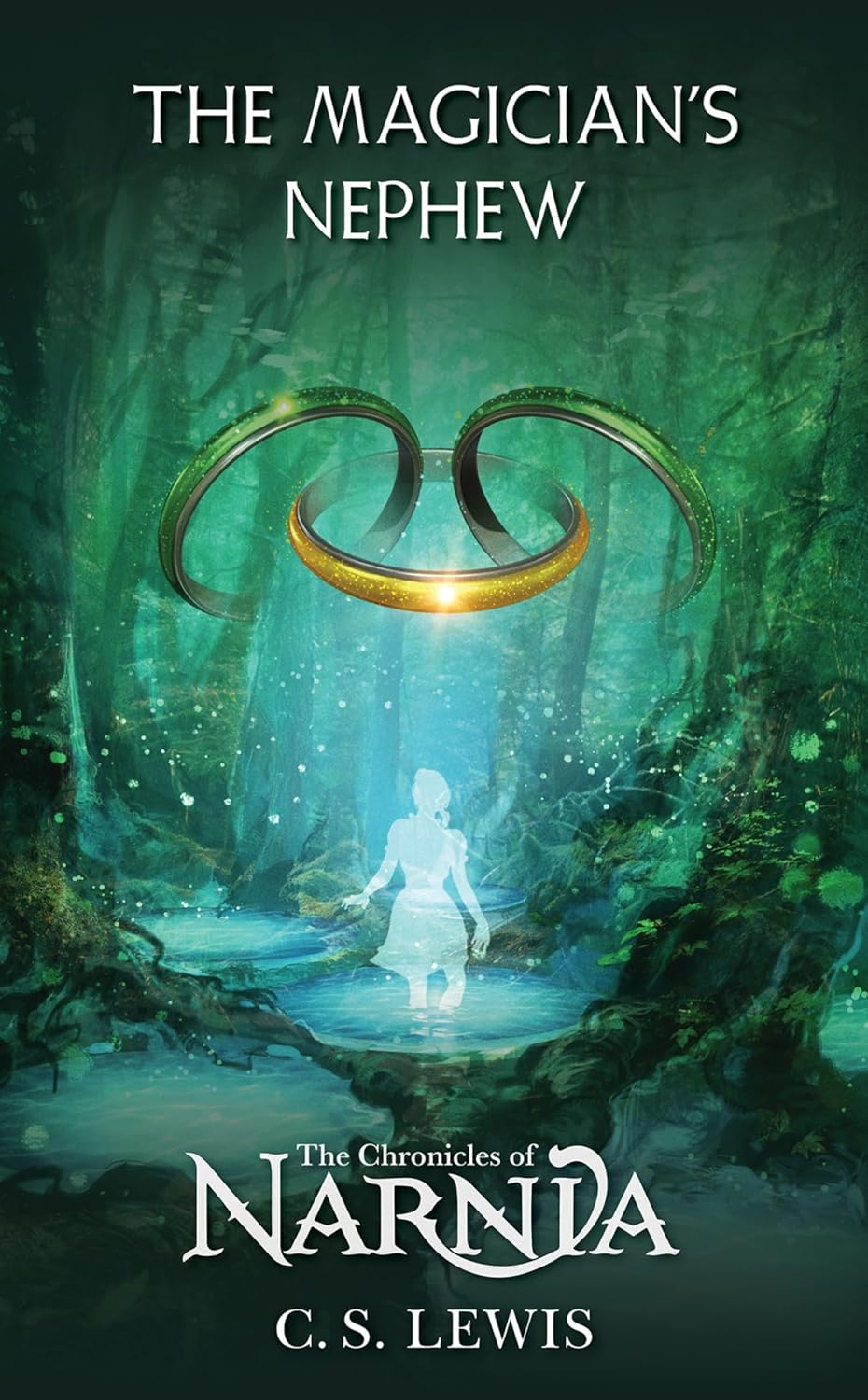
The Magician's Nephew
C.S. Lewis


 Apple Books


 41 Min Reading Time
 Audio Version Available
About this book
Before the Wardrobe, before the Witch, there was the Magician's Nephew.
Journey to the dawn of Narnia, where a cold, wet summer in London leads Digory and Polly to a dusty attic and a manipulative magician. Tricked into experimenting with enchanted rings, they find themselves flung into the Wood Between the Worlds, a mysterious place of shimmering pools that promise untold adventures.
But their explorations unleash a terrifying evil: Queen Jadis, the powerful sorceress from the dead world of Charn. Her hunger for power threatens to corrupt the newborn land of Narnia, a world sung into existence by theGreat Lion, Aslan.
As Digory and Polly grapple with the consequences of their actions, they must confront Jadis and play their part in shaping the destiny of Narnia. Can they find the courage to protect this magical realm, or will darkness consume the land before it truly begins?
Summary of Key Ideas
- •
The Creation of Narnia
The story serves as a prequel, depicting the creation of Narnia and setting the stage for the entire series. It illustrates how Aslan, the great lion, sings Narnia into existence, bringing forth its landscapes, creatures, and magical properties. This act of creation establishes Aslan as the ultimate source of good and authority in Narnia, and it highlights the power of song and divine will in shaping the world. Understanding the creation of Narnia is crucial for grasping the underlying themes of good versus evil, the importance of obedience to Aslan, and the potential for renewal and redemption within the Narnian world. The creation scene is filled with vivid imagery, emphasizing the beauty and wonder of a world born from goodness and divine intention.
- •
Digory's Quest for Healing
Digory's journey to find a fruit from a magical tree in Narnia to heal his ailing mother is central to the story. This quest underscores themes of sacrifice, love, and the desire to overcome suffering. Digory faces temptation and moral dilemmas during his quest, forcing him to make difficult choices that test his character. The successful completion of his quest demonstrates the power of selfless love and the potential for healing and restoration through divine intervention. His actions highlight the importance of putting others' needs before one's own and the redemptive power of love and compassion. This quest also foreshadows future events in Narnia, where characters often face trials that require courage, selflessness, and faith.
- •
The Arrival of Evil: Jadis
The introduction of Jadis, the Queen of Charn, brings the concept of evil into the newly created world of Narnia. Jadis embodies destructive power, arrogance, and a disregard for life. Her presence represents a threat to the harmony and goodness that Aslan has established. The conflict between Aslan's benevolent creation and Jadis's malevolent influence sets the stage for the ongoing battle between good and evil that permeates the Chronicles of Narnia. Jadis's character serves as a cautionary tale about the dangers of unchecked power and the consequences of choosing darkness over light. Her actions demonstrate the corrupting influence of evil and the importance of resisting temptation.
- •
The Misuse of Magic
Uncle Andrew's fascination with magic and his reckless experimentation highlight the dangers of using power without responsibility or understanding. His selfish pursuit of knowledge leads to unintended consequences, including the release of Jadis into Narnia. Uncle Andrew represents the misuse of magic for personal gain and the failure to recognize the ethical implications of one's actions. His character serves as a contrast to Aslan, who uses his power for creation and restoration. Uncle Andrew's transformation throughout the story, from a power-hungry sorcerer to a humbled observer, demonstrates the potential for redemption and the importance of learning from one's mistakes. He learns the hard way that some forces are beyond human control.
- •
The Wood Between the Worlds
The Wood Between the Worlds serves as a portal connecting multiple universes, each with its own unique history and fate. This concept introduces the idea of parallel realities and the interconnectedness of different worlds. The Wood Between the Worlds represents a neutral space, a place of transition and potential where travelers can choose their destination. The presence of stagnant pools hints at the varying states of different worlds, some thriving and others decaying. This element adds depth to the narrative and expands the scope of the Narnian universe, suggesting that Narnia is just one of many worlds with its own struggles and triumphs. It emphasizes the vastness and mystery of creation.
- •
The Power of Temptation
The story explores the theme of temptation through various characters, particularly Digory and Uncle Andrew. Digory is tempted to use the fruit from the magical tree for himself instead of giving it to his mother, while Uncle Andrew is driven by his insatiable curiosity and desire for power. These temptations highlight the internal struggles between good and evil and the importance of making morally sound choices. Overcoming temptation requires strength of character, self-control, and a commitment to doing what is right, even when it is difficult. The consequences of succumbing to temptation are often dire, leading to destruction and suffering. This theme emphasizes the importance of moral responsibility and the need to resist the allure of forbidden desires.
- •
The Significance of Obedience
Aslan's instructions to Digory regarding the planting of the seed emphasize the importance of obedience and trust in a higher power. Digory's willingness to follow Aslan's guidance, even when he doesn't fully understand it, demonstrates his faith and commitment to doing what is right. The act of planting the seed symbolizes the sowing of good deeds and the anticipation of future blessings. Obedience to Aslan is portrayed as a path to harmony and prosperity, while disobedience leads to chaos and destruction. This theme reinforces the idea that submitting to divine will is essential for achieving true happiness and fulfillment. It highlights the importance of faith, trust, and adherence to moral principles.
Chapter Recap

About The Author
C.S. Lewis
Main Quotes
"“This is a story about something that happened long ago when your grandfather was a child.”"
"“Now the trouble about trying to make yourself stupider than you really are is that you very often succeed.”"
"“What you see and what you hear depends a great deal on where you are standing. It also depends on what sort of person you are.”"
"“Make your choice, adventurous Stranger; Strike the bell and bide the danger, Or wonder, till it drives you mad, What would have followed if you had.”"
"“They all went to sleep…the Lion was singing the world into existence, and things were hurrying out of the earth so fast that you could almost see them grow.”"
"“I give you the woods, the fruits, the rivers. I give you the stars and I give you myself.”"
"“You come of the Lord Adam and the Lady Eve,” said Aslan. “And that is both honour enough to erect the head of the poorest beggar, and shame enough to bow the shoulders of the proudest emperor on earth. Be content.”"
"“Everything the Witch Queen touched became stone and darkness. But the touch of Aslan renews.”"
"“All get what they want; they do not always like it.”"
"“Child, I am telling you why it did not work. Because it was used for wrong purposes. That is why it went bad.”"
Who Should Read This Book
Children aged 8-12
Fans of fantasy and adventure stories
Readers interested in themes of creation, good vs. evil, and the origins of Narnia
Families who enjoy reading aloud together
Readers of classic children's literature
Individuals interested in Christian allegory
Fans of C.S. Lewis and the Chronicles of Narnia series
Educators and homeschooling parents looking for engaging literature
Readers seeking imaginative and thought-provoking stories
Book Summaries Like
The Magician's Nephew
FAQ

Free Access to LitNotes