




 DISCORD
The Martian Chronicles
Ray Bradbury


 Apple Books


 65 Min Reading Time
 Audio Version Available
About this book
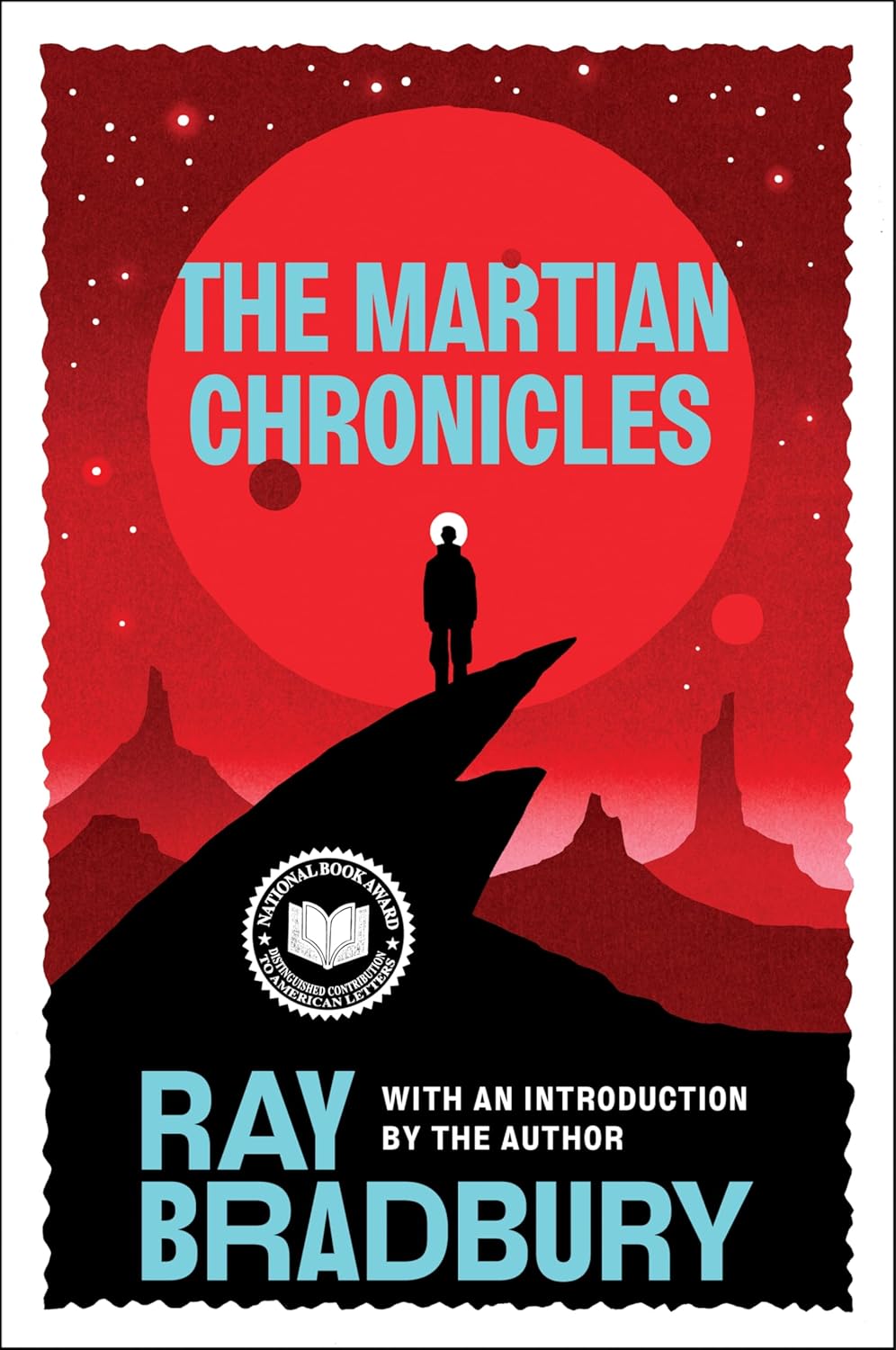
In Ray Bradbury's hauntingly beautiful The Martian Chronicles, Earthlings embark on a perilous journey to colonize Mars, only to confront the ghosts of a dying civilization and the unsettling reflections of their own humanity. A series of interconnected stories unfolds, charting the exploration, exploitation, and eventual disillusionment of the red planet. As humans transplant their hopes, dreams, and prejudices to this alien landscape, they inadvertently extinguish the ancient Martian way of life, replacing it with a distorted mirror of Earth's own flaws.
Through lyrical prose and evocative imagery, Bradbury explores timeless themes of colonialism, environmental destruction, and the search for identity in an unfamiliar world. More than just science fiction, The Martian Chronicles is a profound meditation on what it means to be human, offering a poignant and cautionary vision of our future among the stars.
Summary of Key Ideas
- •
Mars as a Mirror for Humanity
The colonization of Mars serves as a mirror reflecting humanity's flaws and potential for both creation and destruction. Bradbury uses the Martian landscape as a canvas to explore themes of environmental destruction, cultural imperialism, and the dangers of unchecked technological advancement. As humans settle on Mars, they repeat many of the mistakes made on Earth, highlighting the importance of learning from history and striving for a more sustainable and equitable future. The narrative questions whether humanity is capable of creating a better world or if it is doomed to repeat its past failures, even on a new planet.
- •
The Perils of Cultural Imperialism
A significant theme revolves around humanity's tendency to impose its values and culture on others, often leading to the displacement or destruction of indigenous populations. The tragic fate of the Martians underscores the destructive consequences of cultural imperialism and the importance of respecting diverse perspectives and ways of life. Bradbury critiques the arrogance of assuming one's own culture is superior and highlights the ethical responsibility of newcomers to coexist peacefully with existing inhabitants, rather than seeking to dominate or erase them. The narrative prompts readers to consider the long-term impact of colonization on both the colonizers and the colonized.
- •
The Illusion of Escape
The allure of escaping a troubled Earth drives much of the human migration to Mars, yet this escape proves to be more complex than anticipated. The colonists often carry their problems with them, recreating familiar social structures and conflicts in a new environment. Nostalgia for Earth clashes with the desire to forge a new identity on Mars, leading to a sense of displacement and uncertainty. Bradbury explores the psychological toll of leaving one's home and the challenges of adapting to a new world, both physically and emotionally. The narrative questions whether a true escape is possible or if the past will always follow us, no matter where we go.
- •
Clash of Civilizations: Technology vs. Spirituality
Bradbury contrasts the human drive for progress and technological advancement with the simpler, more spiritual way of life of the Martians. The Martians possess a deep connection to their environment and a profound understanding of the interconnectedness of all things. As humans colonize Mars, they often dismiss or destroy the Martians' ancient wisdom, prioritizing technological solutions over ecological harmony. The narrative suggests that humanity has lost touch with its own spirituality and could benefit from learning from the Martians' reverence for nature and their ability to live in balance with their surroundings. This contrast highlights the importance of preserving cultural heritage and respecting indigenous knowledge.
- •
The Weight of Isolation
Throughout the chronicles, the theme of isolation and alienation permeates both the human and Martian experiences. The vastness of space and the strangeness of the Martian landscape contribute to a sense of loneliness and disconnection. Humans struggle to adapt to their new environment and often feel estranged from their fellow colonists. The Martians, facing extinction, experience a profound sense of loss and isolation as their culture fades away. Bradbury uses these feelings of isolation to explore the human condition and the universal need for connection and belonging, regardless of where one finds themselves in the universe.
- •
The Inevitability of Change
Change, both personal and societal, is a constant force throughout "The Martian Chronicles." The characters grapple with adapting to a new environment, confronting unfamiliar cultures, and witnessing the transformation of both Mars and themselves. The initial human drive to alter Mars to resemble Earth reflects a resistance to change, yet the planet inevitably exerts its influence on the colonists. Bradbury explores how individuals and societies respond to change, highlighting the potential for both growth and destruction. The narrative suggests that embracing change and adapting to new circumstances is essential for survival, but also cautions against losing sight of one's identity and values in the process.
Chapter Recap

About The Author
Ray Bradbury
Main Quotes
"We Earth Men have a talent for ruining big, beautiful things."
"You must forget your age and believe that you've never lived."
"I don't want to change the future, I want to stop it."
"There was a smell of Time in the air tonight. He inhaled deeply and shuddered."
"He was a symbol of his age, perhaps, this dusty pilgrim."
"The important thing is to be free to do interesting things."
"They knew they were conquerors, and above all, they wanted to be conquered."
"The trouble is we don't know how to die because we've never lived."
"What do you want to be, son?" "I told you. I want to be a Martian."
"I'm burning a way of life, that's all."
Who Should Read This Book
Science fiction enthusiasts
Readers interested in social commentary and allegories
Fans of classic literature
Individuals fascinated by space exploration and colonization themes
Readers who appreciate lyrical and poetic writing styles
Students studying American literature or science fiction
Those interested in Cold War era anxieties and critiques of American society
Readers looking for thought-provoking and imaginative stories
Book Summaries Like
The Martian Chronicles


FAQ

Free Access to LitNotes