




 DISCORD
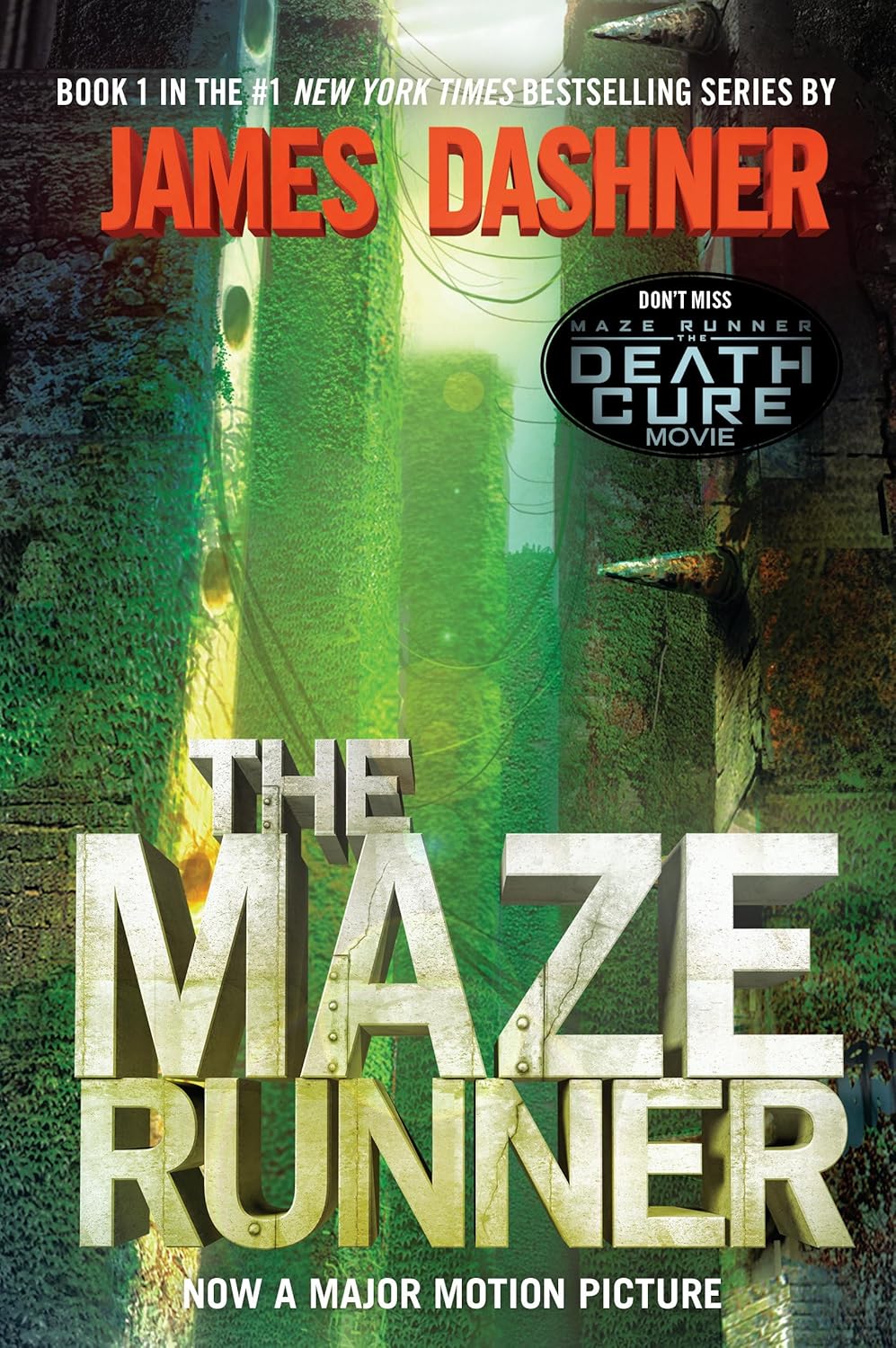
The Maze Runner
James Dashner


 Amazon Best Sellers
 Barnes & Noble Bestsellers


 54 Min Reading Time
 Audio Version Available
About this book
Thomas awakens in a dark lift, his memory a blank slate. He emerges into the Glade, a walled enclosure inhabited by other boys, all strangers, all with missing memories. Beyond the Glade's towering walls lies a vast, ever-shifting maze, their only hope of escape—a hope that dwindles with each failed attempt.
Then, a girl arrives, the first ever, bearing a chilling message: Remember. Survive. Run.
Now, Thomas must unlock the deadly secrets of the maze, recover his lost memories, and lead the Gladers to freedom before time runs out. But can they trust each other, or will the maze claim them all?
Summary of Key Ideas
- •
The Glade: A Fragile Sanctuary
The Glade, a seemingly idyllic yet confined space, represents a false sense of security and control. The Gladers have established a rudimentary society with assigned roles and routines, attempting to create order within their mysterious prison. However, this order is constantly threatened by the unknown dangers of the Maze and the limitations of their memory. The Glade serves as a microcosm of society, highlighting themes of leadership, cooperation, and the struggle for survival in the face of overwhelming adversity. It emphasizes the importance of community and the human need to create structure, even in the most uncertain of circumstances.
- •
The Maze: A Metaphor for Life's Challenges
The Maze itself is a dynamic and deadly puzzle, symbolizing the complexities of life and the search for meaning. Its constantly shifting walls and hidden dangers represent the unpredictable nature of existence and the challenges individuals face in navigating their own paths. The Maze also embodies the characters' internal struggles with memory, identity, and purpose. As the Gladers venture into the Maze, they confront not only physical obstacles but also their own fears and uncertainties, highlighting the importance of courage, resilience, and the willingness to explore the unknown.
- •
Memory and Identity: Recovering the Past
Memory loss is a central theme in "The Maze Runner", representing the manipulation and control exerted by those in power. The Gladers' lack of memories leaves them vulnerable and dependent on the established order, making it difficult for them to question their circumstances or challenge the status quo. The gradual recovery of their memories becomes a catalyst for rebellion and the pursuit of truth. This theme underscores the importance of memory in shaping individual identity and the dangers of suppressing knowledge for the sake of control. The Gladers' fight to reclaim their past is a testament to the human desire for understanding and autonomy.
- •
The Grievers: Facing Fear and Mortality
The Grievers, monstrous creatures inhabiting the Maze, embody the external threats and inner demons that the Gladers must confront. They represent the fear, pain, and potential for death that permeate their existence. The Grievers also symbolize the consequences of the Gladers' past actions and the dark secrets hidden within the Maze. Overcoming these creatures requires courage, teamwork, and a willingness to face one's deepest fears. The Gladers' battles with the Grievers are not only physical but also psychological, forcing them to confront their vulnerabilities and discover their hidden strengths.
- •
Friendship and Loyalty: Bonds of Survival
The importance of friendship and loyalty is a recurring theme throughout "The Maze Runner". The Gladers rely on each other for support, encouragement, and protection in the face of overwhelming adversity. Their bonds of friendship transcend individual differences and create a sense of unity and purpose. Acts of selflessness and sacrifice demonstrate the depth of their commitment to one another. This theme highlights the power of human connection and the importance of building strong relationships in times of crisis. The Gladers' unwavering loyalty to each other ultimately becomes a key factor in their survival and their quest for freedom.
- •
The Power of Hope: A Beacon in the Darkness
Hope serves as a vital force driving the Gladers forward in their seemingly hopeless situation. Despite the constant dangers and uncertainties, they maintain a belief that escape is possible. This hope is fueled by small victories, moments of connection, and the unwavering determination to find a way out. The theme of hope emphasizes the resilience of the human spirit and the importance of maintaining a positive outlook, even in the darkest of times. The Gladers' refusal to give up hope becomes a source of strength and inspiration for themselves and those around them.
- •
The Experiment: Ethical Dilemmas and Manipulation
The ending of "The Maze Runner" reveals that the Gladers are part of an experiment conducted by WICKED (World In Catastrophe: Killzone Experiment Department) to study their responses to extreme stress. This revelation raises ethical questions about the morality of sacrificing individuals for the sake of the greater good. The Gladers' experiences are manipulated and observed, highlighting the dangers of unchecked power and the potential for scientific pursuits to override human compassion. The experiment also explores the nature of human behavior under pressure and the extent to which individuals are willing to compromise their values in order to survive.
- •
Post-Apocalyptic Setting: A World in Ruins
The Flare virus and the post-apocalyptic world serve as a backdrop to the Gladers' struggles, adding another layer of complexity to their situation. The virus represents the destructive potential of human actions and the fragility of civilization. The Gladers' immunity to the Flare makes them valuable subjects for WICKED's research, further emphasizing their lack of control over their own destinies. The post-apocalyptic setting underscores the themes of survival, resilience, and the need to rebuild a better future from the ashes of the old.
Chapter Recap

About The Author
James Dashner
Main Quotes
"If you ain't scared, you ain't human."
"Newt: Just follow me and run like your life depends on it. Because it does."
"Great, we're all bloody inspired."
"You get stung, you change."
"Thomas: I'm not giving up. I'm not."
"Sometimes things happen to people and they're not equipped to deal with them."
"We can't waste time mourning. We've got to move on."
"Hope can be a powerful force. Maybe there's no actual magic in it, but when you know what you hope for most and hold it like a light within you, you can make things happen, almost like magic."
"WICKED is good."
"Minho: Why'd they put us here?"
Who Should Read This Book
Young adults (ages 12-18)
Teenage boys
Fans of dystopian fiction
Readers who enjoy action and adventure stories
Individuals interested in science fiction and mystery
Readers who like fast-paced plots and suspenseful narratives
Those who enjoy stories about survival and problem-solving
Readers who appreciate books with strong friendships and teamwork themes
Book Summaries Like
The Maze Runner
FAQ

Free Access to LitNotes