




 DISCORD
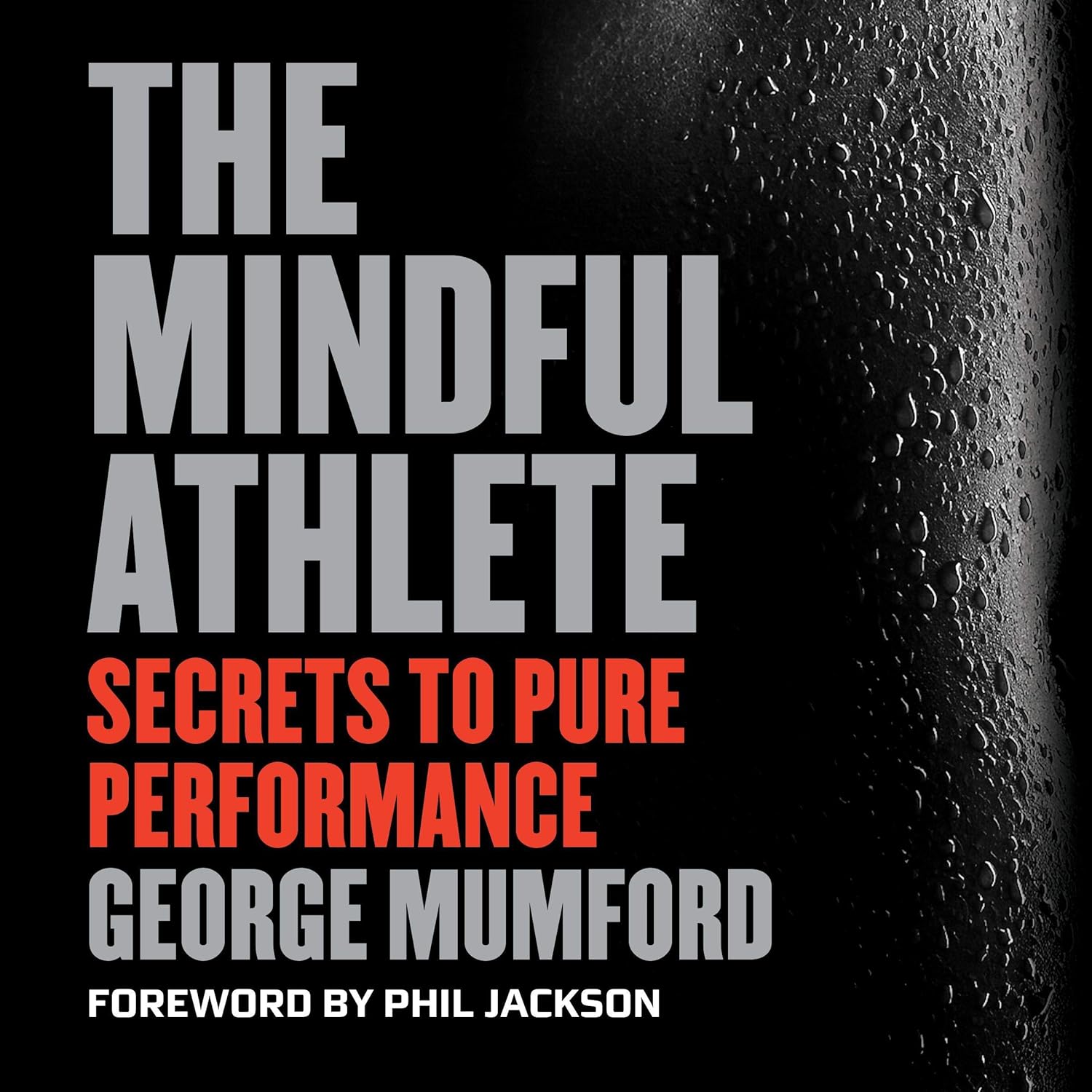
The Mindful Athlete
George Mumford


 Apple Books


 32 Min Reading Time
 Audio Version Available
About this book
Unlock your potential with the mindfulness secrets of a champion. George Mumford, the mind behind the on-court dominance of Michael Jordan, Kobe Bryant, and countless other NBA legends, reveals his revolutionary approach to achieving peak performance in The Mindful Athlete.
More than just a coach, Mumford shares his own powerful journey—from battling career-ending injuries and addiction to discovering the life-altering practice of mindfulness. With a foreword by Phil Jackson, this book unveils the gentle yet groundbreaking techniques that transformed not only Mumford’s life but also the careers of some of the world's most elite athletes.
Discover how to cultivate the focus, awareness, and inner peace to elevate your own game, whether you're an Olympian, a weekend warrior, a corporate leader, or simply striving to reach your full potential. Drawing on wisdom from popular culture icons like Yoda and Bruce Lee, Mumford's down-to-earth guidance makes mindfulness accessible and applicable to any pursuit. The Mindful Athlete is your guide to mastering the art of being, unlocking the secret to pure performance, and achieving greatness in every aspect of life.
Summary of Key Ideas
- •
Embracing the Present Moment Through Mindfulness
Mindfulness as the Foundation: The core idea is that mindfulness is not just a trendy concept but a fundamental skill for athletes. It involves paying attention to the present moment without judgment, allowing athletes to become more aware of their thoughts, feelings, and bodily sensations. This awareness is crucial for managing stress, improving focus, and making better decisions under pressure. Mindfulness helps athletes respond effectively rather than reacting impulsively, leading to enhanced performance and overall well-being. Mumford emphasizes that consistent mindfulness practice is essential to cultivate this awareness and integrate it into athletic training and competition.
- •
Unlocking Potential with Five Spiritual Superpowers
The Five Spiritual Superpowers: Mumford introduces five key principles, which he refers to as “spiritual superpowers,” that enhance athletic performance: mindfulness, concentration, insight, right effort, and trust. Mindfulness, as described above, sets the stage for the other principles. Concentration allows athletes to laser-focus their attention. Insight allows them to develop a deeper understanding of themselves and their performance. Right effort encourages athletes to put in the necessary work without overexerting themselves. Trust helps them believe in their abilities and the process. These superpowers, when cultivated together, create a synergistic effect that elevates an athlete’s mental and emotional game.
- •
Transforming Pain into a Source of Strength
Managing Pain and Suffering: Athletics inevitably involves physical and mental discomfort. Mindfulness provides tools to approach pain and suffering with greater equanimity. Instead of resisting or fearing pain, athletes learn to observe it without judgment, understanding that it is a temporary experience. This allows them to manage pain more effectively, reducing its impact on performance and overall well-being. Mindfulness teaches athletes to differentiate between necessary pain (resulting from pushing their limits) and unnecessary suffering (resulting from negative thought patterns). By accepting and working with pain, athletes can persevere through challenges and achieve their goals.
- •
Sharpening Focus for Peak Performance
Cultivating Concentration and Focus: In high-pressure situations, the ability to concentrate is paramount. Mindfulness practices enhance concentration by training the mind to stay present and focused. Athletes learn to quiet the mental chatter and distractions that can disrupt their focus. Through techniques like breath awareness and body scans, they develop the ability to anchor their attention and resist being pulled away by external stimuli or internal thoughts. This heightened concentration translates into improved performance, allowing athletes to execute their skills with precision and clarity, even under intense pressure.
- •
Developing Insight Through Self-Awareness
Building Self-Awareness and Insight: Mindfulness fosters self-awareness by encouraging athletes to observe their thoughts, emotions, and behaviors without judgment. This self-awareness leads to deeper insight into their strengths and weaknesses, as well as their patterns of thinking and feeling. By understanding themselves better, athletes can make more informed decisions, manage their emotions more effectively, and develop strategies for overcoming challenges. Self-awareness also promotes empathy and compassion, improving relationships with teammates and coaches. Mumford underscores that insight is a continuous process of self-discovery that enhances both athletic performance and personal growth.
- •
Finding Freedom in the Process
Trusting the Process and Letting Go of Outcomes: Athletes often become fixated on outcomes, which can lead to anxiety and pressure. Mindfulness encourages athletes to shift their focus from the end result to the process of training and competing. By trusting the process and putting in consistent effort, athletes can let go of their attachment to specific outcomes. This detachment reduces anxiety and allows them to perform with greater freedom and flow. Mumford teaches athletes to focus on what they can control—their effort, their attitude, and their focus—rather than worrying about factors beyond their control. This mindset fosters resilience and allows athletes to bounce back from setbacks with greater ease.
Chapter Recap

About The Author
George Mumford
Main Quotes
"Respond from the center of the hurricane, rather than reacting from the chaos of the storm."
"The hardest thing, after all the work and all the time spent on training and technique, is just being fully present in the moment."
"We can't control what comes our way, but we can control how we deal with it."
"The less effort, the faster and more powerful you will be."
"Success is 99% failure."
"Don't let your thoughts control your actions. Instead, observe them and let them go."
"Meditation is not trying to go anywhere or be anywhere or do anything. It's just seeing what's there and letting it speak to you."
"Mindfulness teaches you to suffer properly."
"Mindfulness teaches you to fail like a champion."
"Monkey mind is actually a sign of intelligence."
Who Should Read This Book
Athletes of all levels seeking to improve performance and manage stress.
Coaches and trainers interested in incorporating mindfulness techniques into their training programs.
Individuals interested in mindfulness and meditation for personal growth.
Readers interested in sports psychology and mental conditioning.
People seeking strategies for stress reduction and enhanced focus.
Those interested in the application of mindfulness in high-pressure environments.
Individuals looking for peak performance strategies in any field.
Fans of George Mumford and his work with elite athletes.
Readers interested in the intersection of spirituality and sports.
Book Summaries Like
The Mindful Athlete



FAQ

Free Access to LitNotes