




 DISCORD
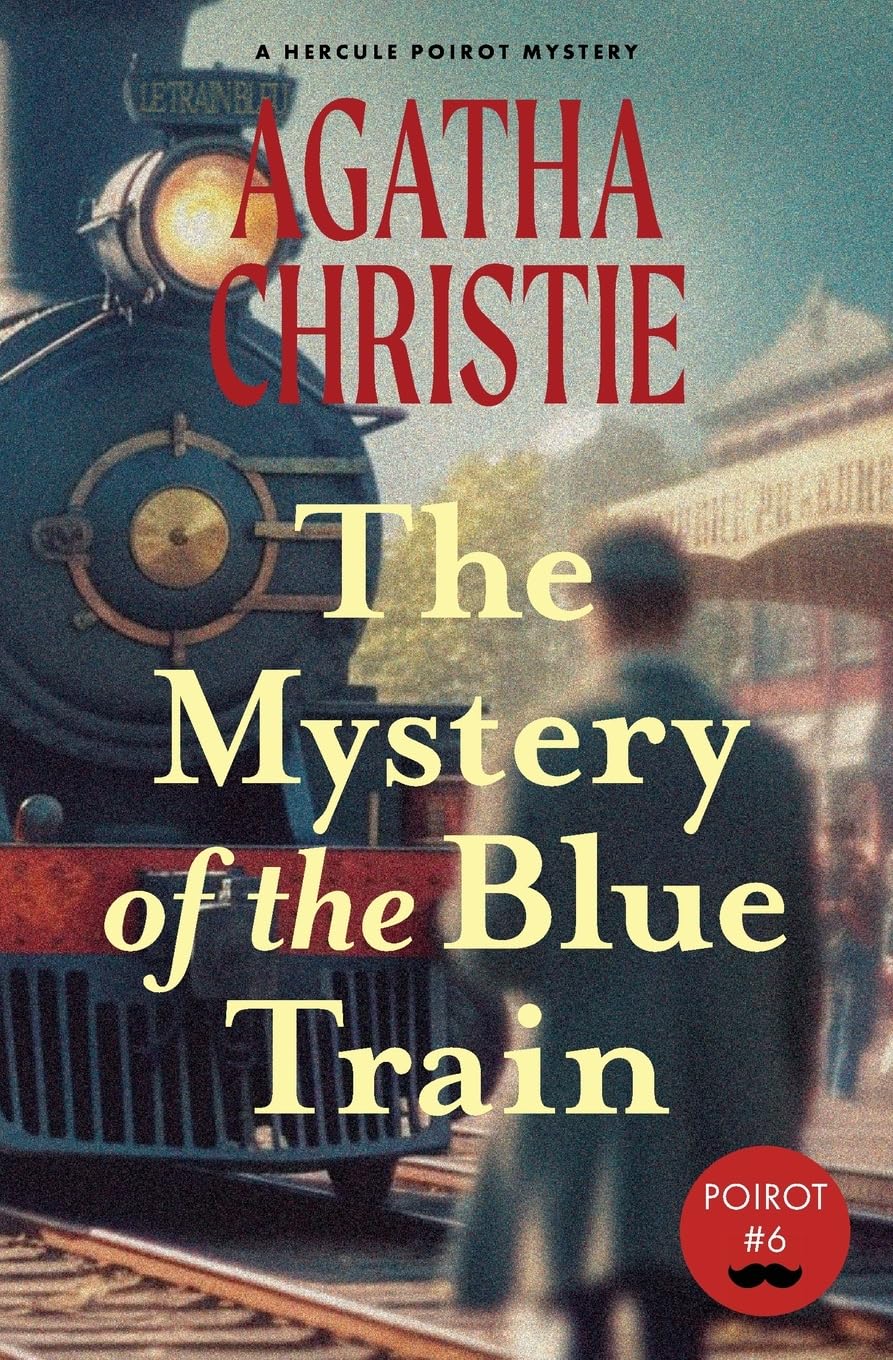
The Mystery of the Blue Train
Agatha Christie


 Apple Books


 87 Min Reading Time
 Audio Version Available
About this book
On the luxurious Blue Train, bound for the French Riviera, a chilling discovery awaits. American heiress Ruth Kettering is found murdered in her compartment, her priceless ruby necklace, the "Heart of Fire," vanished. Suspicion immediately falls on her estranged husband, Derek, but Hercule Poirot senses a more intricate plot at play.
As Poirot investigates, he uncovers a tangled web of illicit affairs, hidden identities, and ruthless desires among the Blue Train's elite passengers. To expose the killer, Poirot orchestrates a daring reenactment of the fateful journey, with the murderer hidden in plain sight. Can Poirot unravel the secrets lurking beneath the train's opulent facade before the killer strikes again?
Summary of Key Ideas
- •
The Corrupting Influence of Wealth
The allure of wealth and its corrupting influence is central to the story. Ruth Kettering, the victim, is a millionaire's daughter, and her family's immense wealth creates a complex web of relationships where money is a key motivator. The novel explores how the pursuit of riches can lead to betrayal, deceit, and ultimately, murder. Many characters are driven by greed, highlighting the darker side of opulence and the desperation it can breed. This theme underscores the idea that money, while providing comfort and status, can also be a dangerous catalyst for criminal behavior.
- •
The Tangled Web of Betrayal
Betrayal is a recurring motif, weaving through the relationships of several characters. Ruth Kettering is surrounded by individuals who have ulterior motives, creating an atmosphere of distrust and suspicion. Her husband, her lover, and even her close acquaintances are revealed to be harboring secrets and engaging in deceitful behavior. This theme emphasizes the fragility of trust and the devastating consequences that can arise when those closest to you are not who they seem. The constant sense of betrayal keeps the reader guessing and adds layers of complexity to the mystery.
- •
Poirot's Triumph of Intellect
The famous detective Hercule Poirot uses his intellect and keen observation skills to solve the murder. Poirot's methodical approach, his attention to detail, and his understanding of human psychology are crucial in uncovering the truth. He meticulously analyzes clues, interviews suspects, and pieces together the puzzle, demonstrating the power of deduction and logical reasoning. Poirot’s presence assures the reader that justice will prevail, highlighting the triumph of intellect over deception. His unique methods and quirky personality add a layer of charm to the otherwise dark narrative.
- •
The Deceptive Nature of Identity
Identity and disguise play a significant role in the unfolding mystery. Several characters assume false identities or conceal their true selves to further their own agendas. This theme adds a layer of intrigue and complexity to the narrative, as the reader is constantly questioning the true nature of each character. The use of disguise allows for unexpected twists and turns, keeping the audience guessing until the very end. Unmasking these hidden identities is key to uncovering the truth behind the murder.
- •
The Relentless Pursuit of Justice
The pursuit of justice is a driving force in "The Mystery of the Blue Train." Poirot is determined to uncover the truth and bring the guilty party to justice, regardless of their social standing or wealth. This theme reflects Christie's commitment to moral order and the belief that crime should not go unpunished. The pursuit of justice provides a sense of closure and reinforces the idea that even in a world of deceit and corruption, the truth will ultimately prevail. This theme resonates with readers who value fairness and accountability.
- •
The Complexities of Romance
Romance, both genuine and feigned, influences the actions and motives of several characters. Ruth Kettering's unhappy marriage and her affair create a backdrop of emotional turmoil. The presence of romantic entanglements adds complexity to the investigation, as jealousy, passion, and heartbreak become potential motives for murder. The novel explores how love can both inspire and destroy, highlighting the powerful emotions that can drive individuals to extreme actions. The romantic elements add depth and intrigue to the overall mystery.
Chapter Recap

About The Author
Agatha Christie
Agatha Mary Clarissa Miller was born in Torquay, Devon, in the United Kingdom, the daughter of a wealthy American stockbroker. Her father died when she was eleven years old. Her mother taught her at home, encouraging her to write at a very young age. At the age of 16, she went to Mrs. Dryden's finishing school in Paris to study singing and piano. In 1914, at age 24, she married Colonel Archibald Christie, an aviator in the Royal Flying Corps. While he went away to war, she worked as a nurse and wrote her first novel, The Mysterious Affair at Styles (1920), which wasn't published until four years later. When her husband came back from the war, they had a daughter. In 1928 she divorced her husband, who had been having an affair. In 1930, she married Sir Max Mallowan, an archaeologist and a Catholic. She was happy in the early years of her second marriage, and did not divorce her husband despite his many affairs. She travelled with her husband's job, and set several of her novels set in the Middle East. Most of her other novels were set in a fictionalized Devon, where she was born. Agatha Christie is credited with developing the "cozy style" of mystery, which became popular in, and ultimately defined, the Golden Age of fiction in England in the 1920s and '30s, an age of which she is considered to have been Queen. In all, she wrote over 66 novels, numerous short stories and screenplays, and a series of romantic novels using the pen name Mary Westmacott. She was the single most popular mystery writer of all time. In 1971 she was made a Dame Commander of the Order of the British Empire.
Main Quotes
"I do not argue with obstinate men. I act in spite of them."
"A man when he is making up to anybody can be cordial and gallant and full of little attentions and altogether charming."
"And today," murmured his master, "you are here with Hercule Poirot. How one mounts in the world!"
"There is one thing no man can do, and that is to get a woman to listen to reason. Somehow or other, they don't seem to have any kind of sense."
"Revenge is always a mistake."
"What a lot of things are governed by what one does – or does not – eat!"
"She stole a covert glance at the figure opposite. If only she knew someone like that, some nice, cool, calm, sympathetic creature."
"Now, Katherine, monsieur, there are only two rules at the Villa Marguerite. You shall be comfortable and you shall not be hungry."
"Love is not everything, Mademoiselle. It is only when we are young that we think it is. Do not open your heart to evil. Because—if you do—evil will enter in."
"A good man may be ruined by his love for a bad woman - but the other way holds good also. A bad man may equally be ruined by his love for a good woman."
Who Should Read This Book
Fans of classic detective fiction
Readers interested in stories set in the French Riviera and on luxury trains
Individuals who enjoy puzzle-solving and intricate plotlines
Readers familiar with and appreciative of Agatha Christie's writing style and recurring characters like Hercule Poirot
Those who enjoy stories with themes of wealth, theft, and murder
Young adults interested in classic mysteries
Book Summaries Like
The Mystery of the Blue Train




FAQ

Free Access to LitNotes