




 DISCORD
The Myth of Normal
Gabor Maté, Daniel Maté


 Goodreads Choice Awards
 Apple Books


 144 Min Reading Time
 Audio Version Available
About this book
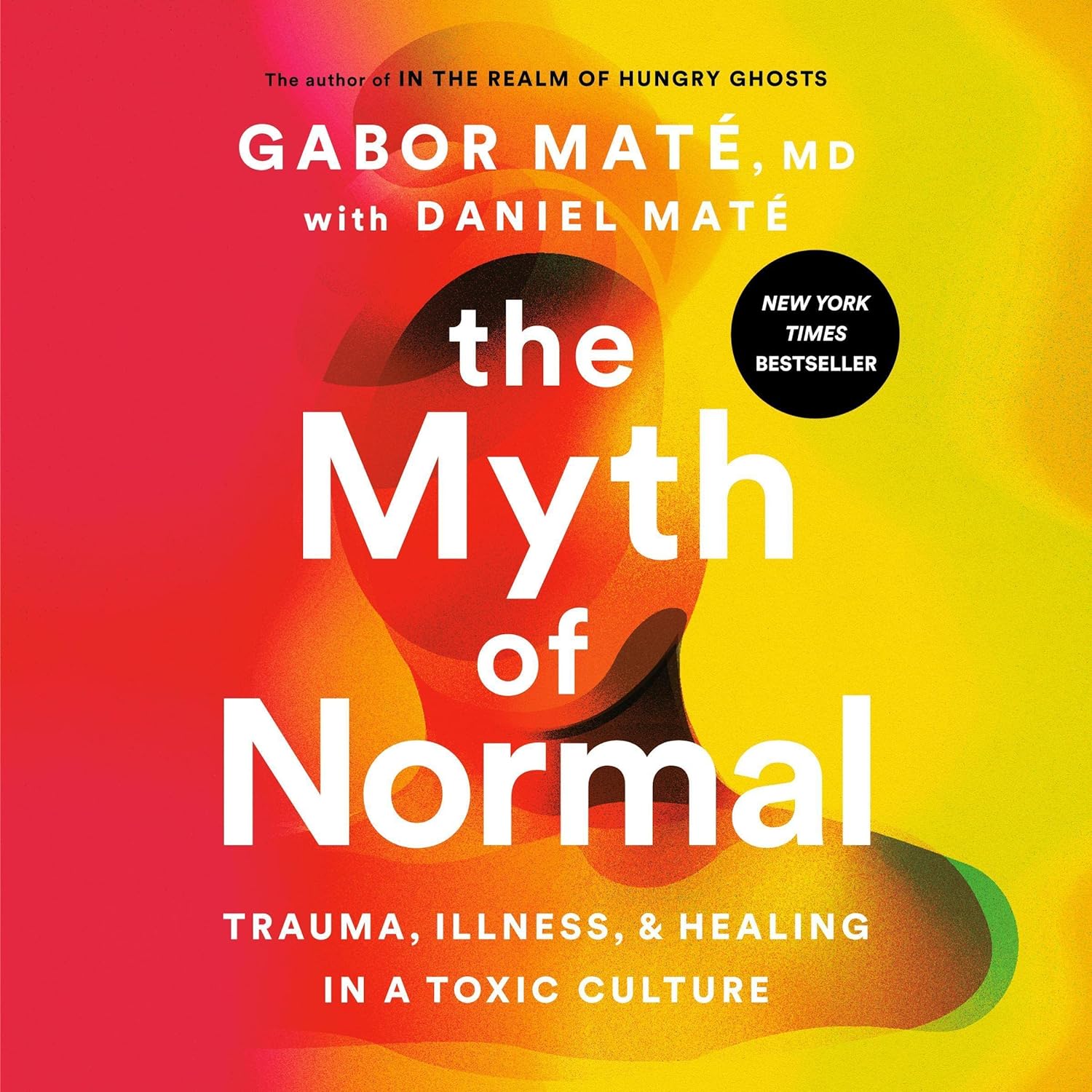
In The Myth of Normal: Trauma, Illness, and Healing in a Toxic Culture, renowned physician Dr. Gabor Maté dismantles the illusion of normalcy that permeates Western society, exposing how our culture breeds disease, both physical and psychological. Through compelling research, personal anecdotes, and a compassionate lens, Maté connects the dots between individual suffering and the hidden epidemics of chronic illness in our modern world.
Challenging conventional medical wisdom, The Myth of Normal reveals the insidious impact of trauma, not just in its extreme forms, but in the everyday emotional wounds that shape our lives. Maté argues that by disconnecting from our authentic selves to meet societal expectations, we compromise our health and well-being. He offers a powerful roadmap for understanding the roots of illness and provides a pathway towards healing, authenticity, and reclaiming our true selves. This groundbreaking book is a call to action, urging us to create a more compassionate and healthy world, one where individual needs are honored and genuine well-being is within reach.
Summary of Key Ideas
- •
Deconstructing the Myth of 'Normal'
The book challenges the conventional understanding of 'normal' in Western societies, arguing that what we consider normal is often a reflection of a toxic culture that prioritizes economic productivity and suppresses genuine emotional expression. This manufactured 'normal' disconnects us from our true selves and fosters conditions that lead to both mental and physical illness. Maté posits that by recognizing the ways in which our culture deviates from healthy human development, we can begin to heal and move toward a more authentic and fulfilling existence.
- •
The Impact of Early Childhood Trauma
Maté emphasizes the crucial role of early childhood experiences in shaping our emotional and physical health. He argues that trauma, broadly defined as any experience that overwhelms a child's capacity to cope, can have lasting effects on the developing brain and body. These early traumas often manifest as chronic illnesses, mental health issues, and dysfunctional relationship patterns in adulthood. The book underscores the importance of understanding and addressing these early wounds to facilitate healing and prevent further suffering.
- •
The Interconnectedness of Mind and Body
A core concept in the book is the interconnectedness of mind, body, and emotions. Maté argues against the traditional Western medical model that treats the body as a separate entity from the mind. He presents compelling evidence demonstrating how emotional stress and unresolved trauma can directly impact physiological processes, leading to a range of physical ailments. By recognizing this mind-body connection, individuals can gain a deeper understanding of their health challenges and pursue more holistic approaches to healing.
- •
The Toxicity of Modern Culture
The book highlights the ways in which societal pressures and expectations can contribute to chronic stress and illness. Maté contends that the relentless pursuit of success, the suppression of emotions, and the disconnection from community are all features of a toxic culture that undermines our well-being. He encourages readers to question these societal norms and to prioritize their own authentic needs and values over external pressures. This involves cultivating self-compassion, setting healthy boundaries, and fostering meaningful connections with others.
- •
Addiction as a Response to Pain
Maté offers a compassionate and insightful perspective on addiction, viewing it not as a moral failing but as a response to pain and trauma. He argues that addictive behaviors are often attempts to self-soothe and escape from emotional distress. By understanding the underlying roots of addiction, individuals can develop greater self-compassion and seek more effective paths to healing. The book emphasizes the importance of addressing the core wounds that drive addictive behaviors, rather than simply focusing on suppressing the symptoms.
- •
De-Pathologizing Emotional Distress
The book challenges the medicalization of emotional distress, suggesting that many mental health conditions are normal responses to abnormal circumstances. Maté argues that pathologizing these responses can further isolate and stigmatize individuals. Instead, he advocates for a more compassionate and understanding approach that acknowledges the validity of emotional suffering and seeks to address the underlying causes. This involves creating safe and supportive environments where individuals can process their experiences and heal from trauma.
- •
The Power of Authenticity
Maté emphasizes the importance of authenticity and self-acceptance in the healing process. He encourages readers to embrace their true selves, flaws and all, and to cultivate self-compassion. This involves letting go of the need to conform to societal expectations and embracing one's unique experiences and perspectives. By connecting with our authentic selves, we can build stronger relationships, make more meaningful choices, and live more fulfilling lives. Authenticity becomes a cornerstone of resilience and well-being.
- •
Healing as a Lifelong Journey
The book stresses that healing is a journey, not a destination. It is a process of self-discovery, emotional processing, and integration. There will be ups and downs, setbacks and breakthroughs. The key is to remain committed to the process, to cultivate self-compassion, and to seek support when needed. The book encourages readers to embrace the challenges of healing and to view them as opportunities for growth and transformation. This perspective fosters resilience and hope in the face of adversity.
Chapter Recap

About The Author
Gabor Maté
Main Quotes
"Trauma is not what happens to you but what happens inside you."
"Where you are is a result of who you were, but where you end up depends entirely on who you choose to be from this moment forward."
"The unfolding of human potential is spontaneous but not inevitable . . . We all grow older, but we don't all grow up."
"Chronic illness—mental or physical—is to a large extent a function or feature of the way things are and not a glitch."
"Our attachment needs don’t disappear when we grow older; indeed, they grow stronger."
"Authenticity is the alignment of our inner feelings, needs, desires, values, and beliefs with our outer lives."
"When people shut down, they don’t need to be “fixed” or lectured; they need to be seen, heard, and acknowledged."
"Grief is subversive, weakening the foundations of the reality we took for granted."
"The greatest damage is inflicted, not in obvious crises, but in the course of everyday life."
"Compassion is a verb."
Who Should Read This Book
Individuals interested in understanding the impact of trauma on mental and physical health
People seeking to understand the connection between personal experiences and societal norms
Readers interested in holistic approaches to health and healing
Those affected by chronic illness, mental health challenges, or addiction
Individuals seeking to improve their understanding of child development and parenting
Healthcare professionals, therapists, counselors, and social workers
Individuals interested in self-help and personal growth
Readers of Gabor Maté's previous books
Book Summaries Like
The Myth of Normal
FAQ

Free Access to LitNotes