




 DISCORD
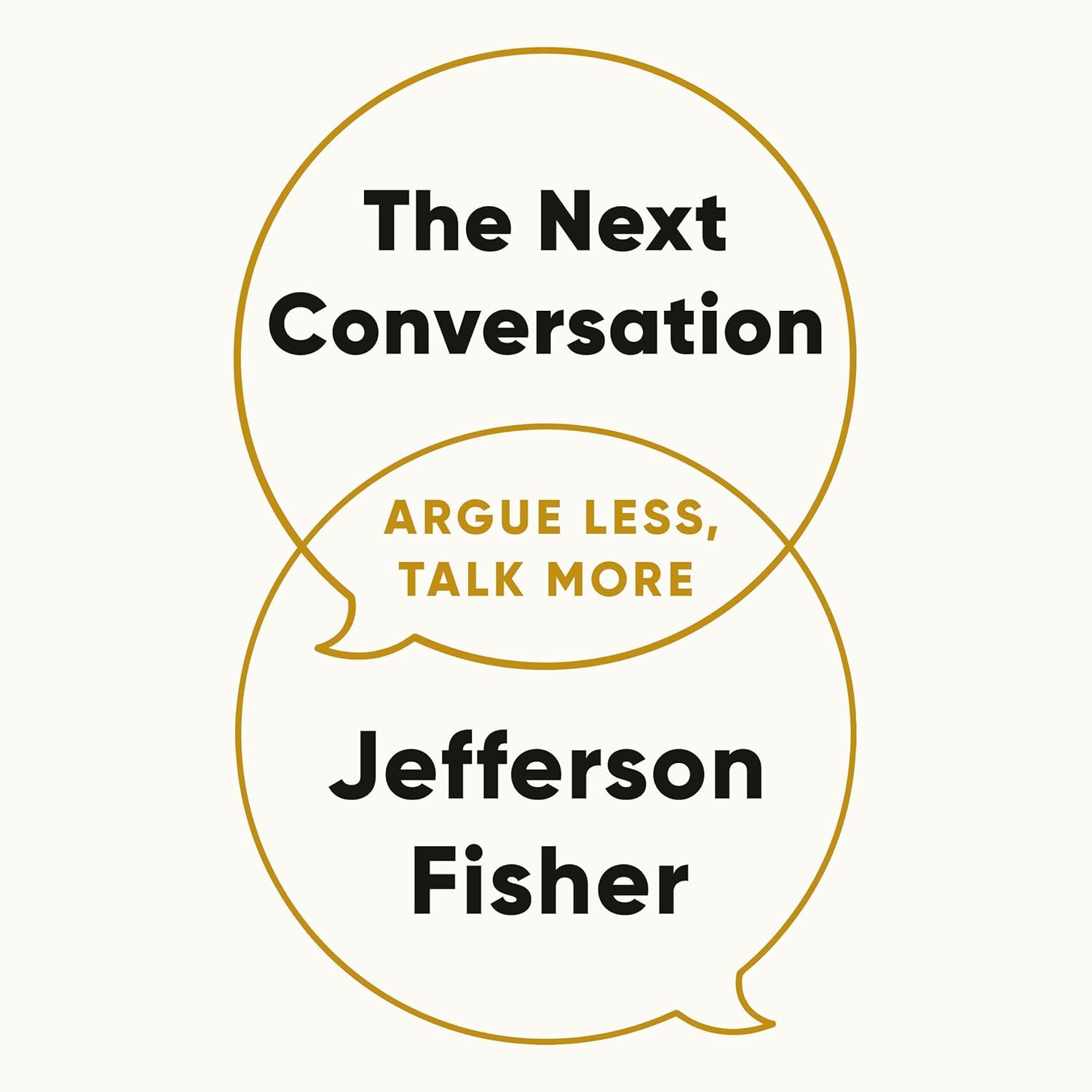
The Next Conversation
Jefferson Fisher


 Amazon Best Sellers
 The New York Times Best Sellers


 51 Min Reading Time
 Audio Version Available
About this book
THE INSTANT NEW YORK TIMES BESTSELLER
Are you ready to transform your relationships and achieve your goals, one conversation at a time? Communication expert Jefferson Fisher, a leading voice in real-world communication and trial lawyer, unveils his definitive guide to mastering the art of conversation in The Next Conversation.
Millions have turned to Fisher's practical, down-to-earth advice to navigate difficult situations, from handling heated arguments to dealing with challenging personalities. Now, for the first time, Fisher distills his proven three-part communication system—Say it with control, Say it with confidence, Say it to connect—into actionable strategies you can use immediately.
Discover:
- Why "winning" an argument is never the goal.
- How to assert yourself and communicate with intention.
- The power of setting boundaries and framing conversations.
- Why saying less can often be more effective.
- How to turn conflict into connection.
The Next Conversation provides the practical phrases and powerful techniques you need to break down defensiveness, find your assertive voice, and create positive change in every aspect of your life. Master the art of communication, and unlock a lifetime of meaningful connections.
Summary of Key Ideas
- •
Choose Your Conversations
Emphasizing the importance of mindful communication, the book promotes the idea of choosing conversations wisely. It suggests that not every disagreement or difference of opinion requires a direct confrontation. By carefully selecting which battles to fight, individuals can preserve their mental peace and foster healthier relationships. This involves assessing the potential outcomes of a conversation and deciding whether engaging will truly lead to a positive resolution or merely escalate conflict. The core message revolves around prioritizing peace and understanding over being right in every situation.
- •
Actionable Communication Tools
The book introduces practical techniques and specific phrases designed to enhance communication skills. These tools equip readers with the means to express themselves more effectively, confidently, and directly. By providing actionable strategies, the book empowers individuals to navigate difficult conversations with greater ease and assurance. These techniques cover various aspects of communication, from active listening and empathy to assertive expression and conflict resolution, ensuring a comprehensive approach to improving interpersonal interactions.
- •
Conversations as Opportunities
Central to the book is the concept of viewing each conversation as an opportunity for growth and connection. Rather than approaching discussions with a combative mindset, the book encourages readers to see them as chances to deepen understanding, build rapport, and strengthen relationships. This involves cultivating a mindset of curiosity, openness, and empathy, allowing for more meaningful and productive exchanges. By shifting the focus from winning arguments to fostering connection, individuals can transform their communication patterns and create more positive outcomes.
- •
The Ripple Effect of Words
The book highlights the lasting impact of our words and interactions. It emphasizes that conversations have a ripple effect, influencing not only the present moment but also future relationships and even subsequent generations. By recognizing the power of our communication, individuals can become more mindful of their language and approach, striving to create positive and constructive interactions. This involves considering the potential consequences of our words and actions and choosing to communicate in ways that promote understanding, empathy, and respect.
- •
Argue Less, Talk More
Advocating for a shift from argumentative communication to more open and empathetic dialogue, the book encourages readers to prioritize understanding over winning. This involves actively listening to others' perspectives, seeking common ground, and approaching disagreements with a spirit of collaboration rather than competition. By fostering a more conversational approach, individuals can create a safe and supportive environment for sharing ideas and resolving conflicts constructively. This ultimately leads to stronger relationships, improved communication, and a more harmonious environment.
- •
Reframing and Mending
The book teaches the reader how to reframe interactions, make amends, and promote healing. It allows for reframing, apologizing, and mending, often leading to truer and more healing interactions than reactive confrontation. This proactive approach can resolve conflicts and lead to stronger relationships.
Chapter Recap

About The Author
Jefferson Fisher
Main Quotes
"The conversation you're in is not the last one. Make it safe enough for the next one."
"People already know what they want to say, because deep down, it's a reflection of what they're already feeling."
"Avoiding the hard talk never makes it any easier."
"Invest in your words daily. There is power in a word spoken out loud."
"When you find your inner strength and realize the voice you heard was yours."
"Arguments are windows, not wars."
"Next conversations matter more."
"Connection requires understanding and acknowledgment."
"When you stay calm, you stay in control."
"The fastest way to lose your peace of mind is to give someone a piece of yours."
Who Should Read This Book
Individuals seeking to improve their communication skills
Professionals aiming to enhance workplace interactions and leadership abilities
Parents looking for effective communication strategies with their children
Anyone wanting to reduce conflict and improve relationships
Individuals interested in self-improvement and personal growth
Readers of self-help books focused on communication and interpersonal skills
People seeking actionable advice and practical phrases for everyday conversations
Those interested in conflict resolution and de-escalation techniques
Individuals who want to be more direct, confident, and productive communicators
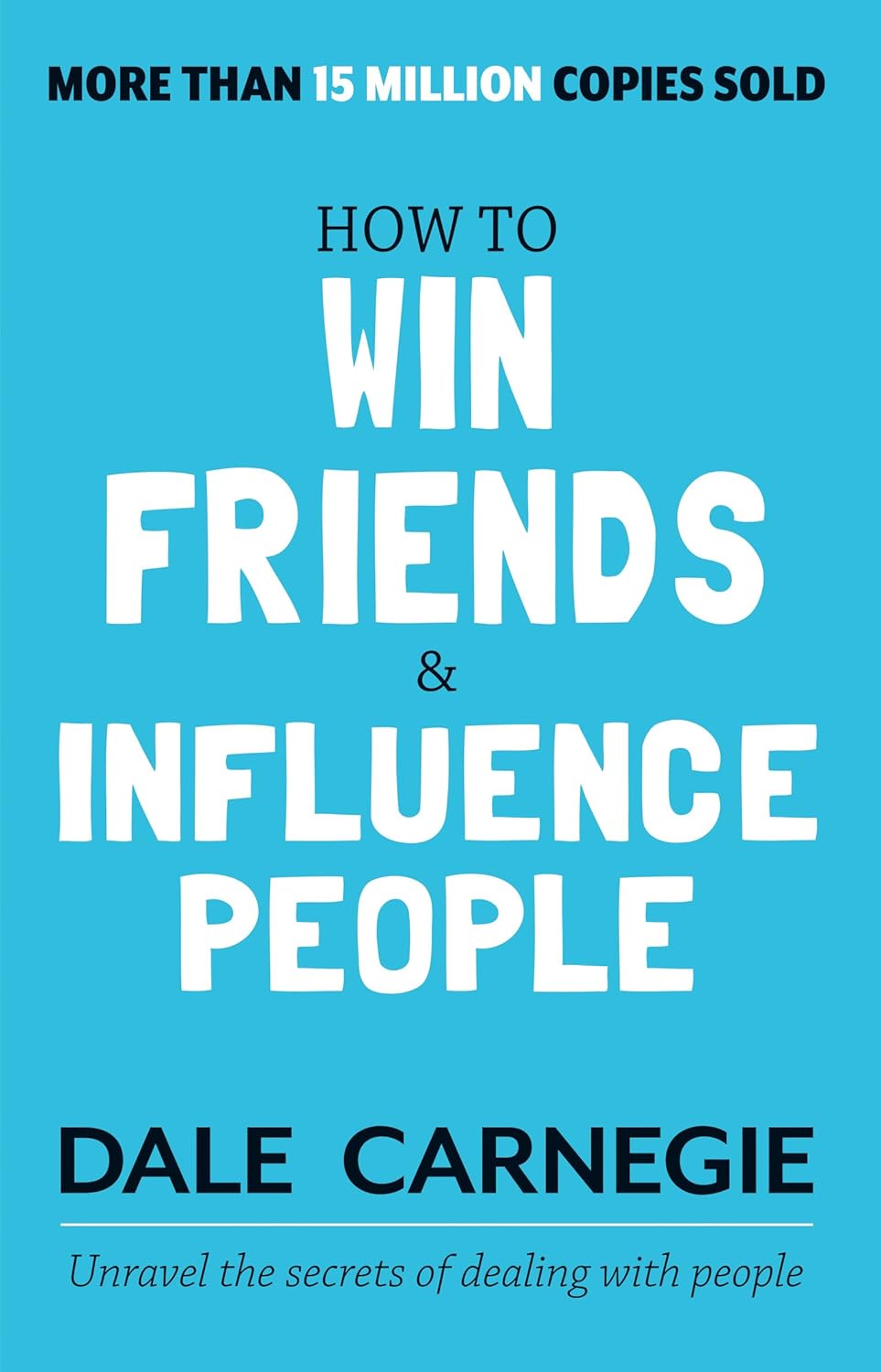
Book Summaries Like
The Next Conversation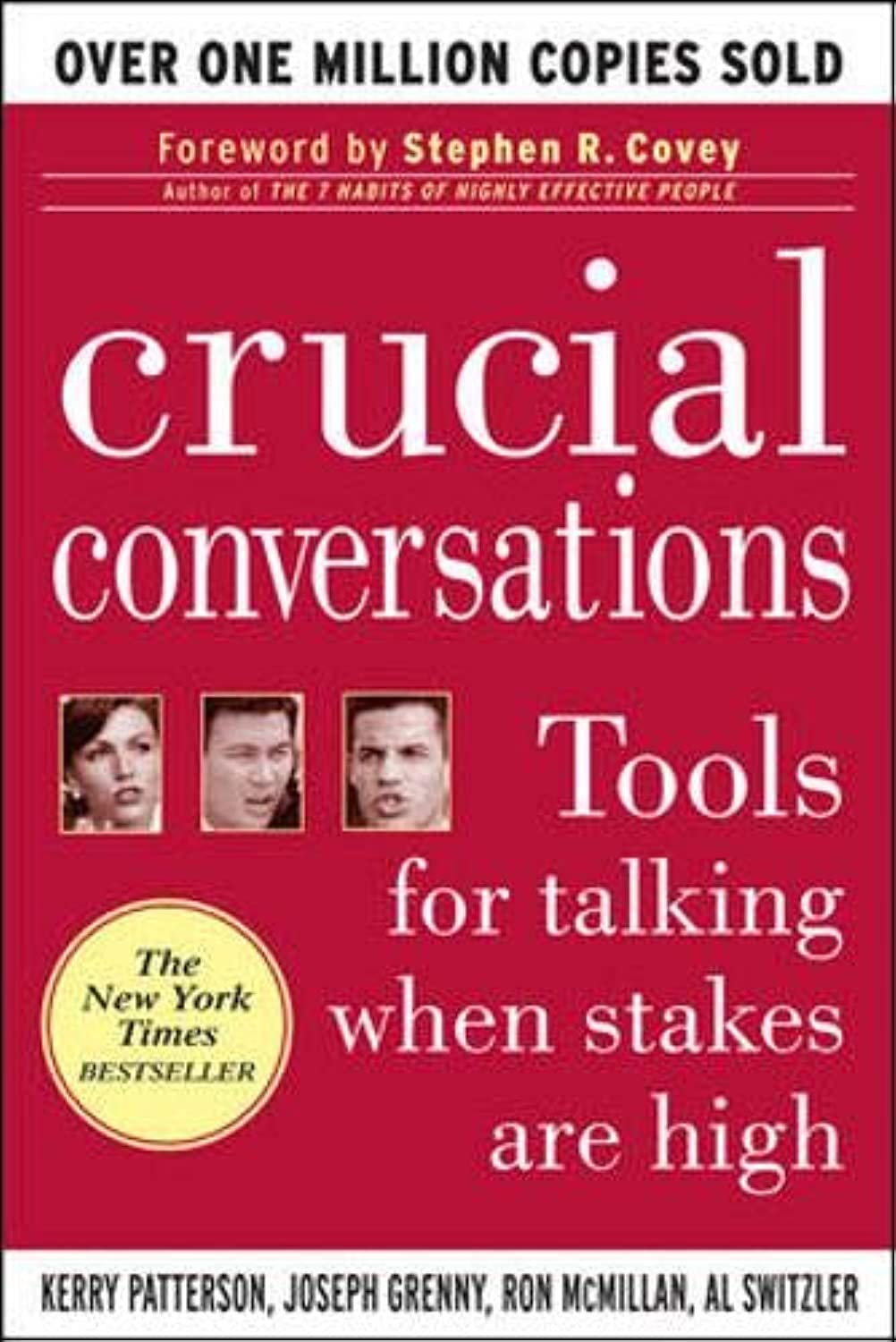

FAQ

Free Access to LitNotes