




 DISCORD
The Perks of Being a Wallflower
Stephen Chbosky, Stephen Chbosky


 Amazon Best Sellers
 Barnes & Noble Bestsellers


 35 Min Reading Time
 Audio Version Available
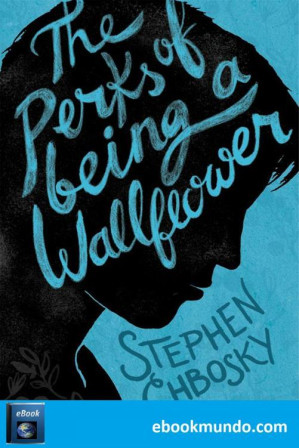
About this book
Charlie is a wallflower. Shy, introspective, and grappling with adolescence, he observes the world from the sidelines of his freshman year. Through heartfelt letters to an anonymous confidant, Charlie chronicles his navigation through first dates, family complexities, and the rocky terrain of new friendships.
As he explores the intoxicating realms of sex, drugs, and The Rocky Horror Picture Show, Charlie discovers the transformative power of mixed tapes and fleeting moments of feeling infinite. But the dance floor beckons, and he must decide whether to remain on the fringes or step into the vibrant chaos of life.
The Perks of Being a Wallflower is a poignant and timeless coming-of-age story that captures the bittersweet journey of growing up, reminding us all of the beauty and pain of finding our place in the world.
Summary of Key Ideas
- •
Navigating the Labyrinth of Adolescence
The novel explores the complexities of adolescence through Charlie's experiences, capturing the universal struggle of finding oneself amidst the pressures of high school. Charlie grapples with identity, social acceptance, and the transition from childhood to adulthood. His journey reflects the awkwardness, insecurities, and the often-painful process of self-discovery that many teenagers experience. The narrative portrays the highs and lows of teenage life, including first loves, friendships, parties, and the challenges of navigating social hierarchies, making it a relatable and resonant coming-of-age story.
- •
From Wallflower to Active Participant
Charlie's introspective nature leads him to observe and analyze the world around him, often from a detached perspective. He struggles to actively participate in life, preferring to remain on the sidelines as a 'wallflower.' This passivity stems from his insecurities and fear of vulnerability. However, as the story progresses, Charlie learns the importance of engaging with others and embracing new experiences, even if they are uncomfortable. His journey highlights the transformative power of participation and the richness of life that comes from stepping outside one's comfort zone.
- •
The Power of Friendship and Belonging
Friendship is a central theme in the novel, as Charlie finds solace and support in his relationships with Sam and Patrick. These friendships provide him with a sense of belonging and help him navigate the challenges of adolescence. The novel emphasizes the importance of having a supportive social network and the positive impact that genuine connections can have on one's well-being. Charlie's friendships teach him about loyalty, acceptance, and the value of being there for others during difficult times. They serve as a catalyst for his personal growth and help him overcome his insecurities.
- •
Confronting Trauma and Healing the Past
The novel delves into Charlie's past trauma, which significantly impacts his mental health and his ability to form healthy relationships. The story explores the lasting effects of childhood experiences and the importance of addressing past wounds in order to move forward. Charlie's journey towards healing involves confronting his repressed memories and seeking professional help. The novel destigmatizes mental health issues and emphasizes the importance of seeking support and treatment. It highlights the resilience of the human spirit and the possibility of overcoming even the most difficult challenges.
- •
Embracing Individuality and Celebrating Differences
The Perks of Being a Wallflower emphasizes the importance of embracing individuality and celebrating differences. Charlie and his friends are all misfits in their own way, but they find strength in their unique qualities. The novel encourages readers to accept themselves for who they are and to resist the pressure to conform to societal expectations. It promotes tolerance and understanding, highlighting the beauty and value of diversity. By showcasing the experiences of marginalized characters, the novel challenges stereotypes and encourages empathy.
- •
The transformative Power of Love
Love, in its various forms, plays a crucial role in Charlie's development. He experiences first love, heartbreak, and the complexities of romantic relationships. The novel explores the challenges of navigating intimacy, communication, and vulnerability in romantic partnerships. Charlie's experiences with love teach him about self-respect, boundaries, and the importance of finding someone who accepts and supports him for who he is. The novel also examines the different expressions of love within families and friendships, highlighting the power of affection and connection in human relationships.
- •
Art as a Catalyst for Self-Discovery
The novel uses literature, music, and film as tools for self-discovery and connection. Charlie finds solace and inspiration in books, which help him understand himself and the world around him. He shares his love of literature with his friends and English teacher, creating a sense of community and intellectual stimulation. Music serves as a soundtrack to Charlie's life, capturing the emotions and experiences of adolescence. Film provides a visual माध्यम for exploring themes and ideas. The novel celebrates the power of art to inspire, heal, and connect people.
Chapter Recap

About The Author
Stephen Chbosky
Photo source: https://www.simonandschuster.com/authors/Stephen-Chbosky/1843916
Main Quotes
"So, this is my life. And I want you to know that I am both happy and sad and I'm still trying to figure out how that could be."
"We accept the love we think we deserve."
"You see things. You keep quiet about them. And you understand."
"I don't know if I will ever be okay. But I know I can be better than this."
"Even if we can't have the best of everything, I still want you. I still want us."
"You can't just sit there and put everybody's lives ahead of yours and think that counts as love."
"I just want to be normal."
"And in that moment, I swear we were infinite."
"It's just that I don't want to be somebody's crush, you know? If somebody likes me, I want them to like the real me, not what they think I am."
"We can't choose where we come from, but we can choose where we go from there."
Who Should Read This Book
Young adults (14-25)
Teenagers facing social and emotional challenges
Readers interested in coming-of-age stories
Individuals who enjoy realistic fiction dealing with mental health, identity, and trauma
Those who appreciate epistolary novels
Readers who identify with feeling like an outsider
Individuals interested in the 1990s setting and culture
Parents, educators, and counselors seeking to understand adolescent experiences
Those who appreciate books that explore themes of friendship, love, and self-discovery
Readers who enjoy character-driven stories
Book Summaries Like
The Perks of Being a Wallflower


FAQ

Free Access to LitNotes