




 DISCORD
The Picture of Dorian Gray
Oscar Wilde


 Apple Books


 69 Min Reading Time
 Audio Version Available
About this book
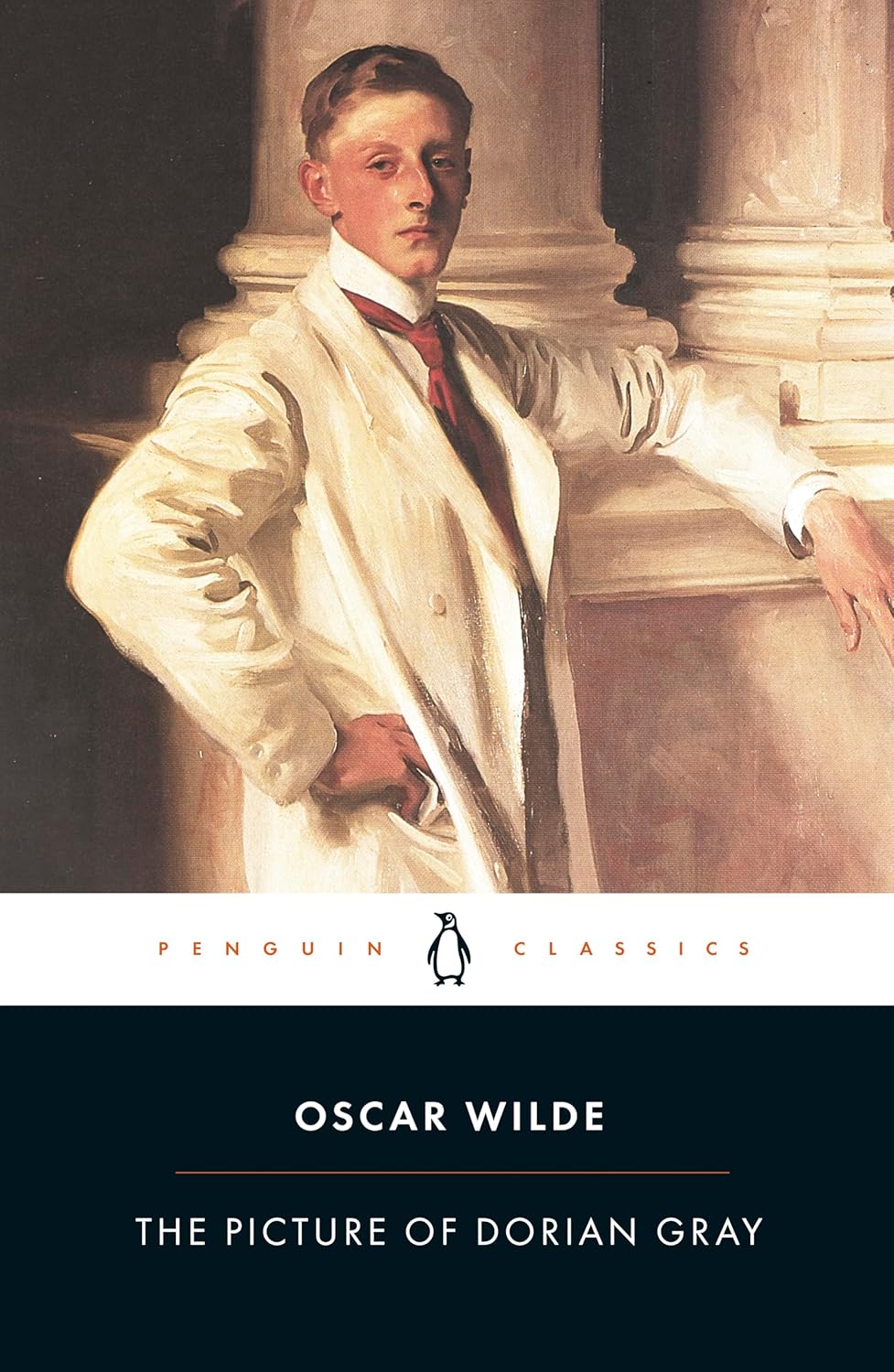
Captivating and chilling, Oscar Wilde's The Picture of Dorian Gray is a timeless exploration of beauty, vanity, and the corrupting nature of sin. Dorian Gray, a young man of extraordinary beauty, becomes the subject of a portrait by the artist Basil Hallward, who is deeply infatuated with him.
When Lord Henry Wotton, a charismatic and amoral hedonist, introduces Dorian to a philosophy of pleasure and self-indulgence, Dorian makes a fateful wish: that the portrait age instead of him. His wish is granted, and Dorian embarks on a life of reckless abandon, shielded from the physical consequences of his immoral actions, while his portrait becomes a grotesque reflection of his decaying soul.
As Dorian plunges deeper into a world of vice and corruption, the painting chronicles his moral descent, bearing witness to the darkness that consumes him. A haunting and unforgettable tale, The Picture of Dorian Gray raises profound questions about the price of beauty, the burden of conscience, and the eternal struggle between good and evil.
Summary of Key Ideas
- •
The Corrupting Influence of Aestheticism
The novel explores the corrupting influence of aestheticism, the philosophy that values beauty and sensual pleasures above all else. Lord Henry Wotton espouses this philosophy, leading Dorian Gray to prioritize his own beauty above morality. This pursuit of pleasure and avoidance of aging ultimately leads to Dorian's moral decay, as he indulges in hedonistic pursuits without consequence, his sins reflected only in the portrait. The book critiques the idea that beauty is the sole justification for existence, showcasing its potential to lead to ruin.
- •
The Duality of Appearance and Reality
Central to the story is the concept of the double life, embodied by Dorian's external beauty masking his internal corruption. While Dorian maintains a youthful and unblemished appearance, the portrait bears the weight of his sins, becoming a visual representation of his decaying soul. This duality highlights the hypocrisy of Victorian society, where appearances were paramount, and inner morality often concealed. The portrait serves as a constant reminder of Dorian's true nature, hidden from the world but ever-present in his consciousness.
- •
The Obsession with Youth and Beauty
The fear of aging and the pursuit of eternal youth are major themes. Dorian's desperate wish that the portrait bear the burden of his age and sins reflects a deep-seated anxiety about mortality. He clings to his youthful beauty as a source of power and validation, becoming increasingly detached from reality as he tries to preserve it at all costs. The novel suggests that this obsession with youth is ultimately destructive, leading to a shallow and meaningless existence.
- •
Art as a Reflection of the Soul
Art serves as a mirror reflecting the soul, a concept embodied by Basil Hallward's portrait of Dorian. The painting initially represents Dorian's innocent beauty, but as Dorian descends into depravity, the portrait transforms into a grotesque reflection of his moral corruption. This symbolizes the idea that art can reveal deeper truths about human nature, exposing the hidden aspects of the self. The destruction of the portrait ultimately signifies Dorian's attempt to destroy the evidence of his sins and escape his true self, an act that leads to his demise.
- •
Influence and Moral Responsibility
Influence and moral responsibility are explored through the characters of Lord Henry and Dorian Gray. Lord Henry's cynical and hedonistic philosophy profoundly impacts Dorian, leading him down a path of self-indulgence and moral decay. The novel questions the extent to which individuals are responsible for the consequences of their influence on others. Dorian's choices, while his own, are undoubtedly shaped by Lord Henry's teachings, raising questions about the power of persuasion and the burden of moral accountability.
- •
Critique of Victorian Hypocrisy
The novel critiques the superficiality and hypocrisy of Victorian society. The upper class is portrayed as valuing appearances and social status above genuine morality and compassion. Dorian's ability to maintain his social standing despite his increasingly scandalous behavior highlights the willingness of society to overlook moral failings in favor of beauty and charm. Wilde satirizes the shallowness of Victorian values, exposing the hypocrisy that lies beneath the veneer of respectability.
- •
The Dangers of Unchecked Hedonism
The story explores the consequences of unchecked hedonism and the pursuit of pleasure without regard for morality. Dorian's descent into depravity, fueled by Lord Henry's philosophy and his own desire to remain youthful and beautiful, demonstrates the destructive nature of unrestrained self-indulgence. The novel serves as a cautionary tale about the dangers of prioritizing pleasure above all else, highlighting the importance of moral responsibility and the potential for corruption when ethical boundaries are ignored.
- •
The Weight of Guilt and Conscience
Guilt and conscience play a significant role in Dorian's downfall. While he attempts to suppress his conscience and ignore the consequences of his actions, the portrait serves as a constant reminder of his moral decay. The growing ugliness of the portrait reflects the weight of his sins and the increasing burden of guilt he carries. Ultimately, Dorian's inability to escape his conscience leads to his desperate act of destroying the portrait, a final attempt to erase his past and reclaim his lost innocence, which results in his death.
Chapter Recap

About The Author
Oscar Wilde
Main Quotes
"All art is at once surface and symbol."
"The books that the world calls immoral are books that show the world its own shame."
"There is no such thing as a good influence, Mr. Gray. All influence is immoral — immoral from the scientific point of view."
"The only way to get rid of a temptation is to yield to it. Resist it, and your soul grows sick, longing for the things it has forbidden to itself."
"I don't want to be at the mercy of my emotions. I want to use them, to enjoy them, and to dominate them."
"To get back my youth, I would do anything in the world, except take exercise, get up early, or be respectable."
"Nowadays people know the price of everything and the value of nothing."
"The aim of life is self-development. To realize one's nature perfectly – that is what each of us is here for."
"Each of us has Heaven and Hell in him, Basil."
"I choose my friends for their good looks, my acquaintances for their good characters, and my enemies for their good intellects."
Who Should Read This Book
Readers interested in classic literature
Fans of Oscar Wilde's writing style and wit
Readers interested in philosophical themes such as morality, beauty, and the nature of art
Individuals interested in gothic and Victorian literature
Readers interested in LGBTQ+ themes in literature
Students and academics studying literature, philosophy, or cultural history
Readers who enjoy character-driven novels with psychological depth
Individuals interested in aestheticism and the pursuit of pleasure
Readers interested in social commentary and satire of Victorian society
Book Summaries Like
The Picture of Dorian Gray
FAQ

Free Access to LitNotes