




 DISCORD
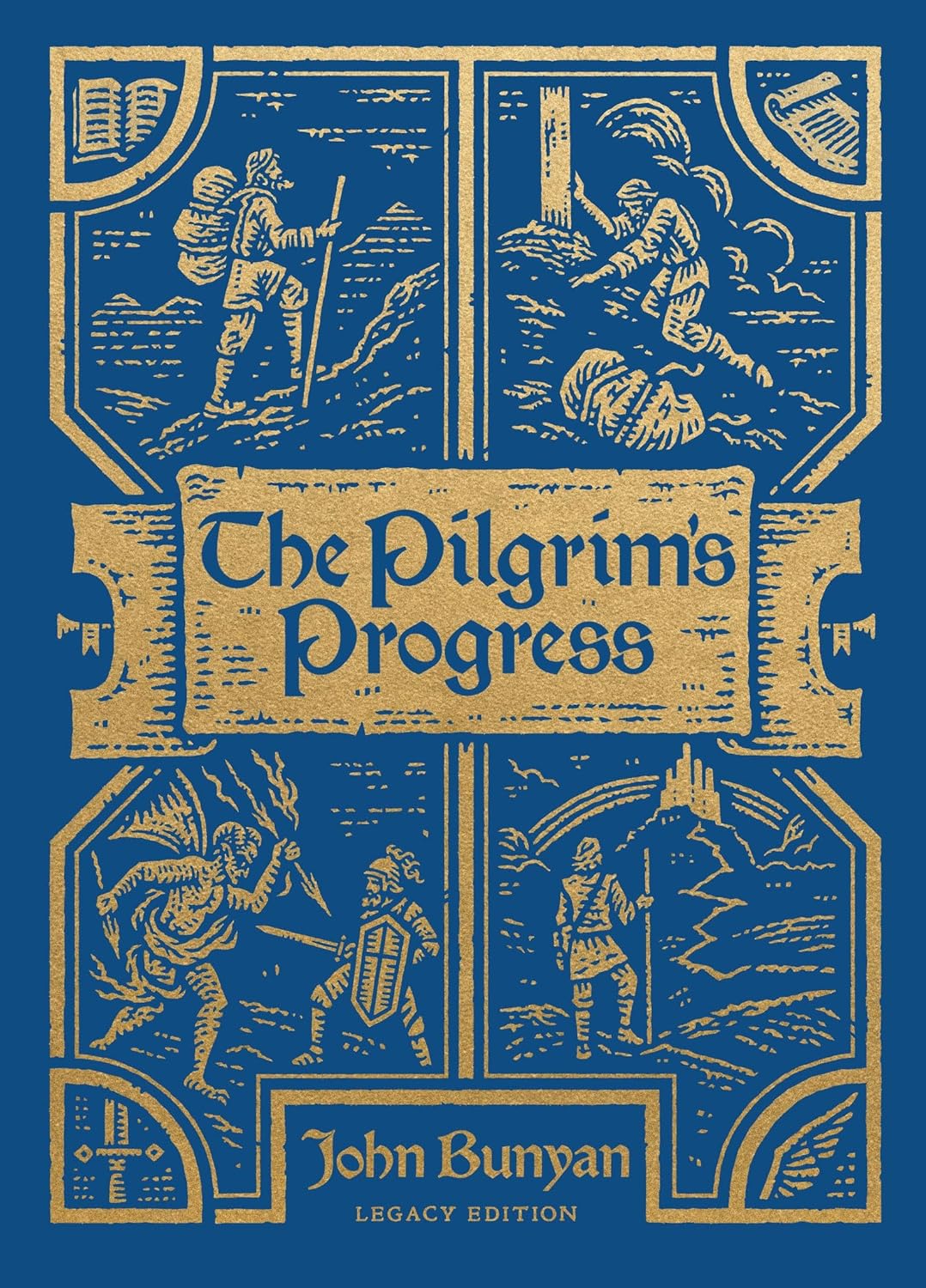
The Pilgrim's Progress
John Bunyan


 Apple Books


 88 Min Reading Time
 Audio Version Available
About this book
Embark on an unforgettable journey with Christian as he flees the City of Destruction and sets out on a pilgrimage to the Celestial City. John Bunyan's timeless allegory, "The Pilgrim's Progress," has captivated readers for centuries with its vivid characters and profound spiritual insights.
Navigate treacherous landscapes such as the Slough of Despond and the Valley of the Shadow of Death, confront formidable foes like Giant Despair, and resist the allure of Vanity Fair. Along the way, Christian encounters both helpful companions and deceitful tempters, each encounter a reflection of the trials and tribulations faced on the path to salvation.
More than just a story, "The Pilgrim's Progress" is a powerful exploration of faith, perseverance, and the enduring hope found in the pursuit of a life dedicated to God. Experience the journey that has inspired generations and discover why this classic remains one of the most beloved and influential works in Christian literature.
Summary of Key Ideas
- •
The Journey of Faith
Life as a Pilgrimage: The overarching theme is that the Christian life is a journey or pilgrimage, fraught with challenges, temptations, and opportunities for spiritual growth. Christian's journey from the City of Destruction to the Celestial City mirrors the believer's path from worldly sin to eternal salvation. The road is not easy; it is filled with obstacles like the Slough of Despond, the Hill Difficulty, and Vanity Fair, each representing different trials and temptations that Christians face. The narrative emphasizes perseverance and faith as essential for overcoming these difficulties.
- •
The Weight of Sin and Salvation
The Burden of Sin and the Call to Redemption: Christian begins his journey weighed down by a heavy burden, symbolizing the weight of his sin. This burden is only lifted at the Cross, representing Christ's sacrifice and the forgiveness of sins. This highlights the initial recognition of sin and the subsequent need for redemption as fundamental steps in the Christian faith. The encounter at the cross is a pivotal moment, signifying the release from guilt and the beginning of true spiritual freedom.
- •
Guidance Through Scripture
Importance of Scripture and Guidance: Throughout his journey, Christian encounters various characters who either help or hinder his progress. Evangelist, for example, represents the importance of biblical guidance and sound doctrine. He directs Christian to the Wicket Gate and provides him with the necessary instructions for his journey. This emphasizes the reliance on scripture and wise counsel as essential tools for navigating the Christian life and avoiding spiritual pitfalls.
- •
Battling Temptation
Temptation and Spiritual Warfare: Christian faces numerous temptations and spiritual battles along his path. Characters like Mr. Worldly Wiseman, Apollyon, and the inhabitants of Vanity Fair represent different forms of temptation that Christians encounter. These episodes illustrate the ongoing struggle against sin and the importance of resisting worldly allurements. The battles emphasize the need for vigilance, prayer, and reliance on God's strength to overcome these challenges.
- •
Fellowship and Support
The Value of Christian Fellowship: Christian's interactions with other pilgrims, such as Faithful and Hopeful, underscore the importance of Christian fellowship and mutual support. These companions provide encouragement, accountability, and assistance along the way. Their shared faith strengthens them and helps them persevere through difficult times. This highlights the value of community and the benefits of walking the Christian path with others.
- •
Steadfast Faith
Perseverance and Endurance: The journey to the Celestial City is long and arduous, requiring perseverance and endurance. Christian faces numerous setbacks, dangers, and discouragements, but he continues to press on toward his ultimate destination. This emphasizes the importance of steadfastness and unwavering faith in the face of adversity. The story teaches that true faith is not passive but requires active effort and a commitment to stay the course, even when the path is difficult.
- •
Resisting Worldly Allurements
The Allure and Deception of Worldly Values: Vanity Fair serves as a powerful symbol of the world's allurements and the deceptive nature of worldly values. The fair offers all kinds of pleasures and possessions, but they are ultimately empty and fleeting. Christian and Faithful resist the temptations of Vanity Fair, demonstrating the importance of prioritizing spiritual values over material desires. This episode warns against the dangers of conforming to worldly standards and emphasizes the need to remain focused on eternal rewards.
- •
The Hope of Eternal Life
The Promise of Eternal Reward: The ultimate destination of Christian's journey is the Celestial City, representing heaven and eternal life with God. This promise of eternal reward serves as a constant source of hope and motivation throughout his pilgrimage. The anticipation of reaching the Celestial City sustains Christian through his trials and tribulations, reminding him of the ultimate goal of his faith. The book culminates in the joyous arrival of pilgrims at their final destination, reinforcing the hope and assurance of salvation.
Chapter Recap

About The Author
John Bunyan
Main Quotes
"I seek a place that's free from all such snares."
"You have need of patience."
"He that is down needs fear no fall."
"To go back is nothing but death; to go forward is fear of death, and life everlasting beyond it. I will yet go forward."
"Dark clouds bring waters, when the bright bring none."
"My marks and scars I carry with me, to be a witness for me that I have fought His battles who now will be my rewarder."
"A man there was, though some did count him mad, the more he cast away the more he had."
"He that is down needs fear no fall, He that is low, no pride."
"Fools for the Kingdom of Heaven are wisest, and...the poor man who loves Christ is richer than the greatest man in the world that hates him."
"When thou passest through the waters, I will be with thee, and through the rivers, they shall not overflow thee."
Who Should Read This Book
Christians interested in allegorical stories about faith and salvation
Readers of classic literature and religious allegory
Individuals interested in Puritan literature and history
Theologians and students of religious studies
Readers seeking moral and spiritual guidance
People who enjoy stories with strong themes of perseverance and overcoming adversity
Families looking for faith-based stories to discuss with older children and teenagers
Individuals interested in the historical context of 17th-century England and religious movements
Readers familiar with biblical themes and concepts
Book Summaries Like
The Pilgrim's Progress
FAQ

Free Access to LitNotes