




 DISCORD
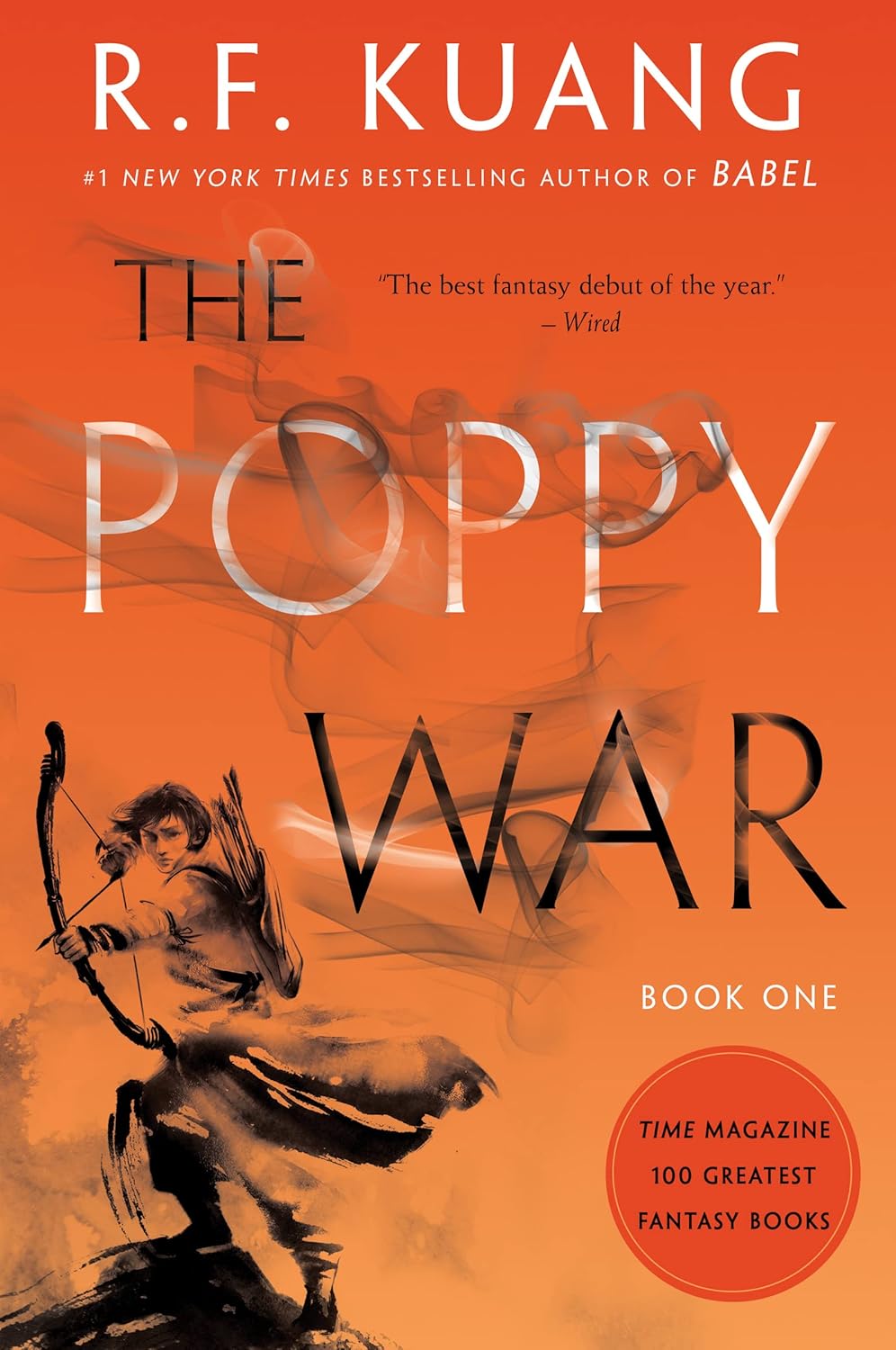
The Poppy War
R. F. Kuang, R F Kuang


 Goodreads Choice Awards
 Barnes & Noble Bestsellers


 86 Min Reading Time
 Audio Version Available
About this book
Orphaned and desperate to escape a bleak future, Rin shocks everyone when she aces the Keju, the Empire-wide test, gaining entry into Sinegard, the most elite military academy in Nikan. But the academy is a brutal place for a dark-skinned peasant girl, and Rin quickly becomes a target.
Yet, within her lies a power that could change everything: an aptitude for the nearly-mythical art of shamanism. As she explores this dangerous gift with the help of a questionable teacher, Rin discovers that the gods aren't as dead as they seem. With the threat of a Third Poppy War looming, Rin's powers may be the only hope for her people. But can she control the vengeful Phoenix that has chosen her, or will winning the war cost her everything that makes her human?
Summary of Key Ideas
- •
The Relentless Pursuit of Self-Determination
Escaping a predetermined fate is a driving force for Rin. Facing a future of forced marriage and societal expectations, she fiercely pursues education as a means of control over her destiny. Her ambition leads her to Sinegard, the most elite military academy in the Empire, where she confronts prejudice and immense challenges. This theme highlights the power of individual agency and the lengths one will go to in order to forge their own path, even when societal structures and expectations attempt to dictate otherwise. Rin's journey embodies the struggle for self-determination and the pursuit of a life beyond the confines of tradition.
- •
The Brutal Reality of War and Its Trauma
War's impact on individuals and societies is a central theme, depicted through unflinching portrayals of violence, strategic decisions, and moral compromises. Kuang explores the physical and psychological toll of conflict, presenting a world where survival often demands horrific choices. The novel does not shy away from portraying the brutal realities of combat, the suffering of civilians, and the dehumanization that war engenders. This theme questions the romanticized notions of warfare and emphasizes the lasting scars it leaves on both victors and vanquished, forcing readers to confront the true cost of armed conflict. The historical backdrop, inspired by the Second Sino-Japanese War, enhances the realism and gravity of this exploration.
- •
The Corrupting Influence of Power
Rin's journey from a determined student to a powerful shaman raises questions about the corrupting nature of power. As she gains influence and magical abilities, she faces moral dilemmas that test her values. The allure of power and the temptation to use it for personal gain or revenge become increasingly difficult to resist. This theme explores the ethical complexities of leadership and the potential for even well-intentioned individuals to succumb to the corrupting influence of authority, especially in times of war and desperation. The story examines how power can distort one's perception of right and wrong, ultimately leading to devastating consequences.
- •
The Unflinching Depiction of Genocide
Inspired by the Second Sino-Japanese War, the novel confronts the grim realities of genocide. The horrors inflicted upon the people of Golyn Niis draw a parallel to historical atrocities, forcing readers to confront the consequences of dehumanization and ethnic conflict. Kuang unflinchingly depicts the systematic destruction and the lasting trauma inflicted upon the victims, highlighting the importance of remembering and acknowledging such atrocities. This theme serves as a cautionary tale about the dangers of unchecked hatred and the importance of fighting against prejudice and discrimination.
- •
The Perilous Allure of Addiction
Rin's reliance on opium to enhance her shamanic abilities explores the theme of addiction and its destructive consequences. As she becomes increasingly dependent on the drug, her physical and mental state deteriorates. The novel portrays the allure and dangers of substance abuse, showing how it can cloud judgment, erode moral values, and ultimately lead to self-destruction. This theme also touches upon the concept of power gained through dangerous means, questioning the true cost of achieving one's goals when the path is paved with addiction and dependency.
- •
Forging Identity Amidst Prejudice and War
Rin's complex relationship with her identity is shaped by her experiences as an orphan, her ethnic background, and her newfound magical abilities. She grapples with questions of belonging and self-acceptance as she navigates a world that often marginalizes and oppresses those who are different. Her journey of self-discovery involves confronting her past, embracing her unique powers, and ultimately forging her own identity in a society that seeks to define her. This theme highlights the importance of self-acceptance and the resilience of the human spirit in the face of adversity.
- •
The Destructive Cycle of Revenge
Revenge is a significant motivator for Rin throughout the novel, especially after witnessing the horrors inflicted upon her people. Fueled by anger and a desire for justice, she seeks to retaliate against those responsible for the atrocities. However, the pursuit of revenge comes at a great cost, blurring the lines between right and wrong and leading to morally questionable actions. This theme explores the destructive nature of vengeance and questions whether it truly brings closure or simply perpetuates the cycle of violence, demonstrating how revenge consumes Rin. It pushes her to a point of no return, where her humanity is severely tested.
Chapter Recap

About The Author
R. F. Kuang
Main Quotes
"“Sometimes mercy is a better weapon than hatred.”"
"“There’s no place for softness in war.”"
"“You’re stronger than you think you are.”"
"“Great danger is always associated with great power. The difference between the great and the mediocre is that the great are willing to take that risk.”"
"“What are you going to do? Are you going to let fear run your life? Or are you going to run fear?”"
"“It is easy to hate, little fox. War makes hatred easy.”"
"“History is always written by the victors. When two cultures clash, the loser is obliterated, and the winner writes the history books – books which glorify their own cause and disparage the conquered foe.”"
"“Power dictates acceptability.”"
"“She had learned that the world was a place of infinite cruelty, and that one’s fellow human beings were capable of monstrous acts.”"
"“The world is a hard place, Rin. But you have to make your own heaven while you’re here.”"
Who Should Read This Book
Adults interested in military fantasy
Readers who enjoy dark and grimdark fantasy
Readers familiar with and interested in East Asian history, particularly the Sino-Japanese War
Readers who appreciate morally grey characters and complex political themes
Readers who enjoy character-driven stories with a focus on trauma and its consequences
Fans of authors like George R.R. Martin and Brandon Sanderson
Readers of historical fantasy
Asian readers, especially those of the diaspora, who connect with the cultural elements and themes.
Book Summaries Like
The Poppy War
FAQ

Free Access to LitNotes