




 DISCORD
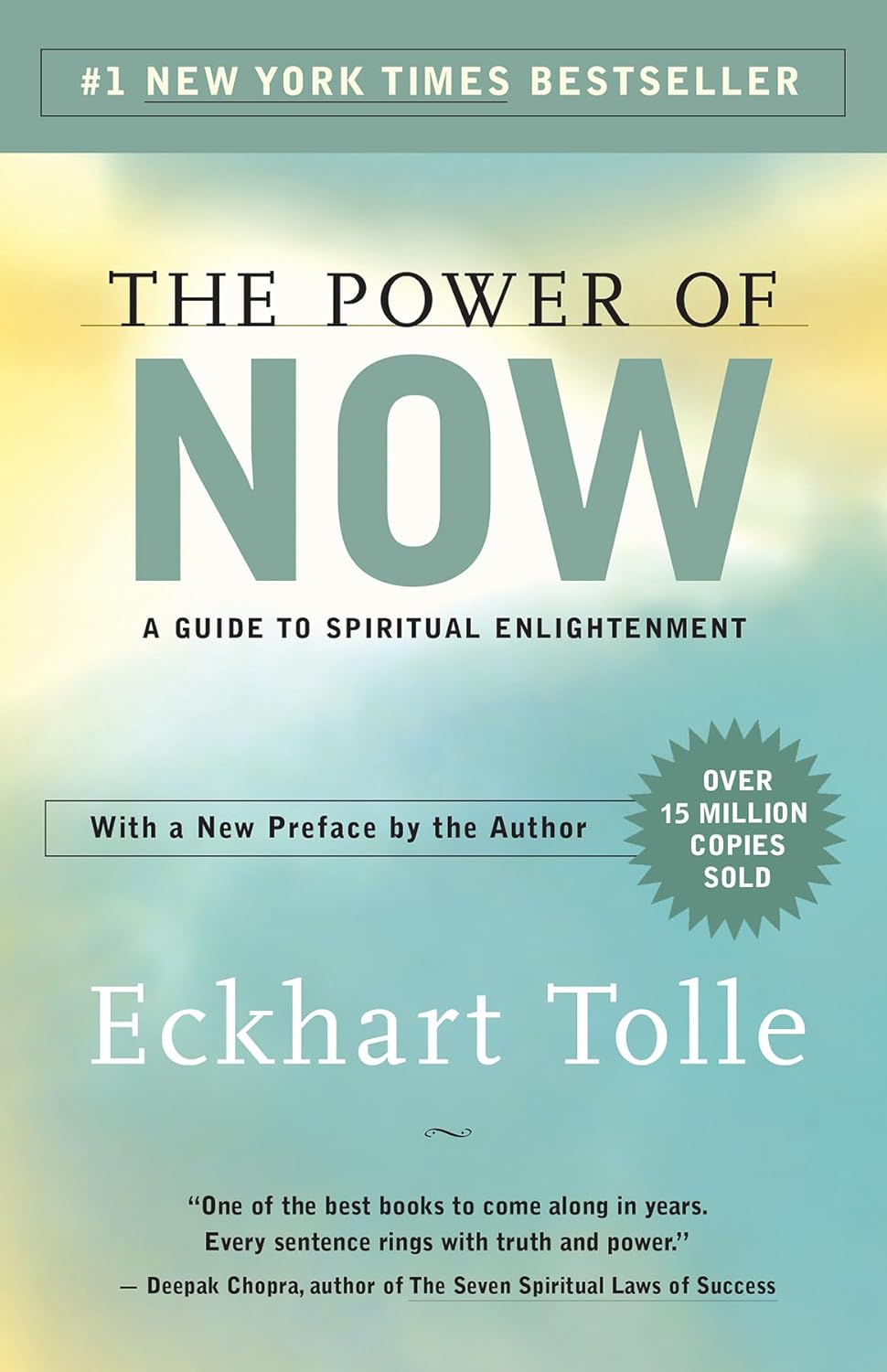
The Power of Now
Eckhart Tolle


 Barnes & Noble Bestsellers


 39 Min Reading Time
 Audio Version Available
About this book
Discover the life-altering wisdom of Eckhart Tolle’s The Power of Now, a spiritual guide to finding enlightenment and true happiness in the present moment.
Venture beyond the confines of your analytical mind and ego as Tolle unveils the secret to freeing yourself from pain and anxiety. Through simple language and a practical question-and-answer format, this book gently guides you to connect with your indestructible inner self, the eternal essence beyond the noise of daily life.
Learn to quiet the incessant demands of your mind, break free from the shackles of time, and discover the power of presence. Whether you're new to spiritual exploration or seeking a deeper understanding, The Power of Now offers a transformative journey toward a more conscious, peaceful, and fulfilling existence.
Summary of Key Ideas
- •
Embrace the Present Moment
The core message of "The Power of Now" is that true happiness and enlightenment can only be found by fully embracing the present moment. Tolle argues that we are often trapped in our thoughts, dwelling on the past or worrying about the future, which prevents us from experiencing the richness and beauty of the now. By learning to quiet the mind and become aware of our thoughts without judgment, we can break free from this cycle and discover a state of inner peace and presence. This involves recognizing that the present moment is all we ever truly have and that our identification with the thinking mind is the root of much of our suffering.
- •
Dis-identify from the Thinking Mind
Tolle emphasizes the distinction between the thinking mind and consciousness. He suggests that most people are unconsciously identified with their thoughts, believing them to be who they are. However, he posits that thoughts are merely mental constructs, and true self lies in the realm of pure consciousness, the silent observer of thoughts and emotions. By becoming aware of our thoughts and recognizing them as separate from our true selves, we can dis-identify from the thinking mind and experience a deeper sense of inner peace and freedom. This awareness allows us to choose our thoughts rather than being controlled by them.
- •
Recognize and Transcend the Ego
The book explores the concept of the ego as a false sense of self, constructed from thoughts, memories, and identifications. Tolle describes the ego as a dysfunctional pattern of thinking and behavior that seeks to maintain its existence through constant seeking, comparison, and judgment. The ego thrives on negativity and drama, creating suffering for itself and others. By recognizing the ego's patterns and dis-identifying from its limiting beliefs, we can diminish its influence and move towards a more authentic and compassionate way of being. This involves accepting the present moment without resistance, which starves the ego of its energy.
- •
Acceptance of the Present Moment
Tolle emphasizes the importance of accepting the present moment without resistance. Resistance arises when we judge or try to control what is happening, creating inner conflict and suffering. By surrendering to the now, we can find peace and ease, even in the midst of challenging circumstances. Acceptance doesn't mean resignation or passivity; rather, it means acknowledging what is and responding from a place of inner stillness. This allows us to deal with situations more effectively and creatively, without being overwhelmed by negative emotions. Acceptance of the present moment is key to dissolving the ego and experiencing true freedom.
- •
Observe and Dissolve the Pain-Body
Pain-body is described as an accumulation of past emotional pain that resides within us. Tolle explains that the pain-body becomes activated by negative thoughts or situations, causing us to re-experience old traumas and create new suffering. It feeds on negativity and can manifest as anger, sadness, anxiety, or other painful emotions. By becoming aware of the pain-body, we can avoid identifying with it and prevent it from controlling our thoughts and actions. Observation of the pain-body without judgment is the key to dissolving it and freeing ourselves from its grip. Presence is the antidote to the pain-body.
- •
Access Inner Space Through Stillness
Tolle introduces the concept of inner space or stillness as a gateway to the Now. He suggests that by becoming aware of the gaps between our thoughts, we can access a deeper level of consciousness that is beyond the thinking mind. This inner space is a source of peace, creativity, and intuition. Cultivating inner stillness involves practices such as meditation, mindfulness, and simply paying attention to the present moment without judgment. By regularly accessing this inner space, we can reduce stress, enhance our awareness, and connect with our true selves.
- •
Bring Presence to Relationships
Tolle explores the nature of relationships and how they can be a source of both joy and suffering. He argues that many relationship problems arise from egoic patterns and unconscious expectations. By bringing presence to our relationships, we can break free from these patterns and create more authentic and fulfilling connections. This involves accepting our partners as they are, communicating openly and honestly, and avoiding the need to control or manipulate them. Ultimately, true love is about recognizing the presence in ourselves and in others.
- •
Transcend the Illusion of Time
The book discusses the illusion of time and how our preoccupation with the past and future prevents us from fully experiencing the present. Tolle argues that the past is a collection of memories and the future is a projection of the mind, neither of which exist in the present moment. By focusing on the now, we can break free from the limitations of time and experience a sense of timelessness and eternity. This involves letting go of regrets about the past and anxieties about the future, and simply being present with what is.
- •
Awaken to Your True Nature
Ultimately, "The Power of Now" is about spiritual awakening and the transformation of consciousness. Tolle suggests that by embracing the present moment, dis-identifying from the thinking mind, and recognizing the ego's patterns, we can awaken to our true nature as pure consciousness. This awakening brings a profound sense of peace, joy, and fulfillment. It is not a one-time event but an ongoing process of self-discovery and transformation. By continuously practicing presence and awareness, we can gradually shift our consciousness and live a more authentic and meaningful life.
Chapter Recap

About The Author
Eckhart Tolle
Main Quotes
"Realize deeply that the present moment is all you ever have."
"The past has no power over the present moment."
"Unease, anxiety, tension, stress, worry - all forms of fear - are caused by too much future, and not enough presence."
"Always say “yes” to the present moment. What could be more futile, more insane, than to create inner resistance to what already is?"
"Whatever the present moment contains, accept it as if you had chosen it."
"Power over others is weakness disguised as strength. True power is within, and it is available to you now."
"The primary cause of unhappiness is never the situation but your thoughts about it."
"The moment that judgement stops through acceptance of what it is, you are free of the mind."
"To love is to recognize yourself in another."
"Don't look for happiness. If you look for it, you won't find it; because looking is the opposite of being."
Who Should Read This Book
Individuals interested in personal growth and self-improvement
People seeking spiritual enlightenment and a deeper understanding of themselves
Those struggling with anxiety, stress, and overthinking
Readers interested in mindfulness and meditation practices
Individuals exploring New Age philosophies and Eastern spiritual traditions
People looking for practical guidance on living in the present moment
Those seeking relief from mental and emotional suffering
Readers who appreciate a blend of spirituality and psychology
Individuals open to exploring consciousness and self-awareness
People seeking alternative approaches to mental well-being and happiness
Book Summaries Like
The Power of Now

FAQ

Free Access to LitNotes