




 DISCORD
The Reluctant Spy
John Kiriakou


 Apple Books


 68 Min Reading Time
 Audio Version Available
About this book
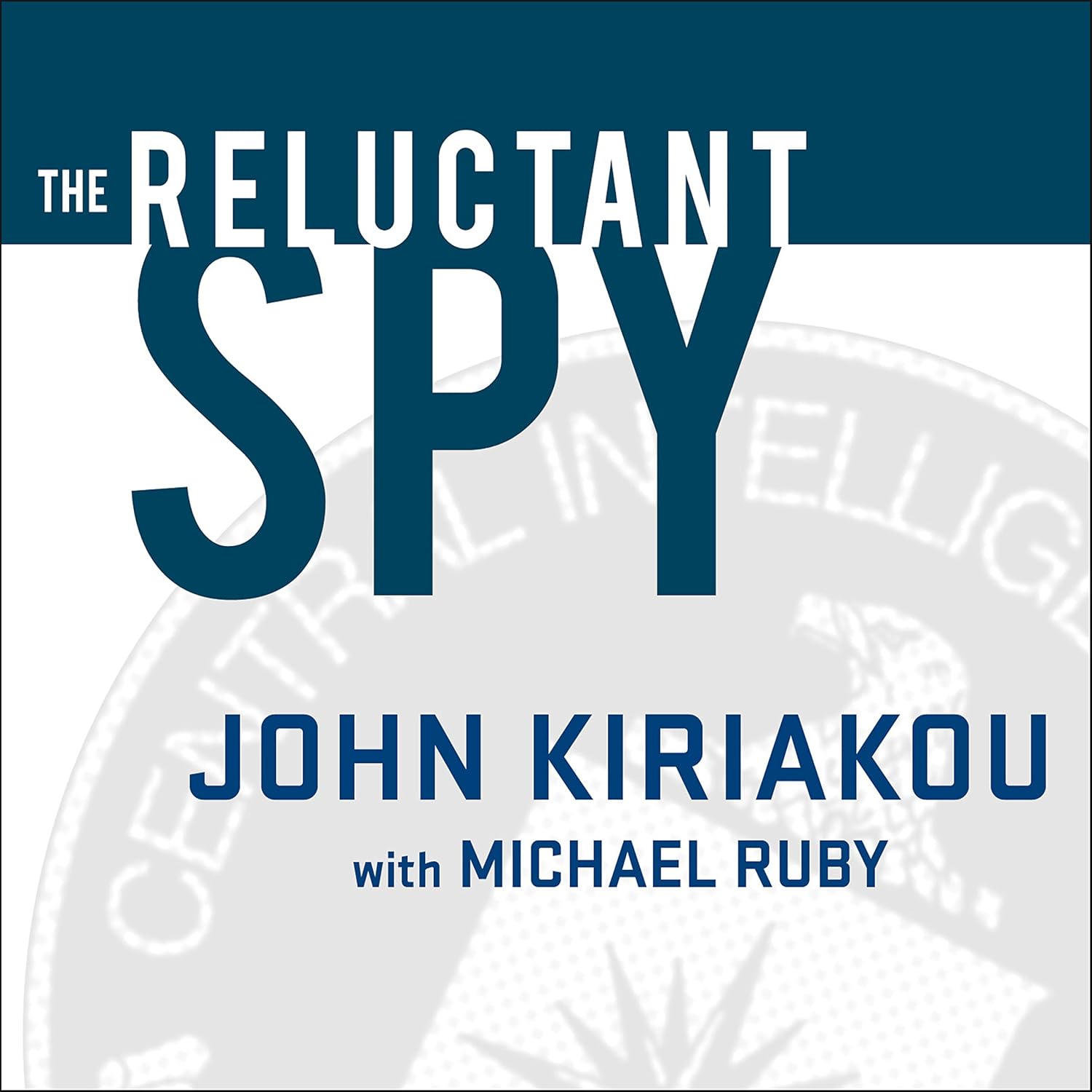
Venture into the clandestine world of espionage with John Kiriakou's The Reluctant Spy, a gripping true story of a CIA operative on the front lines of the War on Terror. More than just a memoir, this is a confessional, an adventure, and a chronicle of Kiriakou's life inside the Agency. Witness his evolution from a wide-eyed recruit to a seasoned professional grappling with the moral complexities of intelligence work.
Kiriakou pulls back the curtain on the CIA's inner workings, detailing the intense pressure, dangerous missions, and the constant threat of exposure. He offers a chilling account of confronting an enemy fueled by fanaticism and reveals the personal toll exacted by a life lived in the shadows. The Reluctant Spy is a vital and eloquent testament, inviting readers into the secret world of espionage and raising profound questions about the cost of security in a post-9/11 world.
Summary of Key Ideas
- •
An Insider's Look at the CIA's War on Terror
The book offers a rare insider's perspective on the CIA's operations during the War on Terror, providing readers with a firsthand account of the agency's activities, successes, and failures. Kiriakou's narrative sheds light on the complexities and moral ambiguities faced by intelligence officers in the field, challenging conventional portrayals of espionage and counterterrorism. His experiences reveal the human side of intelligence work, portraying agents as individuals grappling with difficult decisions in high-pressure situations, operating within a complex bureaucracy, and dealing with the personal toll of their profession. This insider perspective makes the book a valuable resource for understanding the realities of modern intelligence gathering.
- •
The Controversy of Enhanced Interrogation Techniques
Kiriakou's account details the controversial use of enhanced interrogation techniques, including waterboarding, by the CIA. He provides firsthand insights into the agency's justification for these methods, the ethical dilemmas they posed, and their effectiveness in gathering intelligence. The book explores the legal and moral implications of these techniques, contributing to the ongoing debate about the boundaries of permissible interrogation methods in the fight against terrorism. Kiriakou's perspective offers a nuanced understanding of the pressures and considerations that led to the implementation of these controversial practices, as well as their potential consequences.
- •
The Price of Speaking Out
The book delves into the personal and professional consequences Kiriakou faced as a result of speaking out against the CIA's practices, including his prosecution and imprisonment. It examines the challenges faced by whistleblowers who expose government misconduct, highlighting the potential risks to their careers and personal lives. Kiriakou's story raises important questions about government transparency, freedom of speech, and the protection of individuals who bring wrongdoing to light. His experience serves as a cautionary tale about the potential repercussions of challenging powerful institutions and the importance of safeguarding dissent.
- •
From Idealism to Disillusionment
Kiriakou’s narrative recounts his journey from a relatively apolitical individual to a CIA operative deeply involved in counterterrorism efforts. His initial idealism and patriotism gradually give way to disillusionment as he witnesses the realities of intelligence work and the moral compromises it entails. The book explores the transformation of an individual within the context of a larger organization and the impact of high-stakes operations on personal values and beliefs. This transformation highlights the psychological and ethical challenges faced by those serving in the intelligence community.
- •
Critique of CIA Bureaucracy
The book serves as a critique of the CIA's bureaucracy and its impact on operational effectiveness. Kiriakou points out instances where bureaucratic inefficiencies and political considerations hindered the agency's ability to effectively combat terrorism. His criticisms shed light on the challenges of managing a large intelligence organization and the need for reforms to improve its agility and responsiveness. This critique provides valuable insights into the organizational dynamics within the CIA and the potential obstacles to achieving its mission.
- •
Navigating Moral Ambiguity
Throughout his career, Kiriakou grapples with the moral complexities inherent in espionage and counterterrorism. The book explores the ethical dilemmas faced by intelligence officers who must often make difficult decisions with limited information and under intense pressure. Kiriakou's reflections on these moral challenges offer a nuanced perspective on the ethical considerations that should guide intelligence operations and the importance of maintaining a strong moral compass in the face of adversity. His insights contribute to the ongoing conversation about the ethical responsibilities of intelligence professionals.
Chapter Recap

About The Author
John Kiriakou
Main Quotes
"I had to make a choice. I could continue to be part of something I no longer believed in, or I could stand up and say, 'This is wrong.'"
"I realized that the CIA wasn't the place for me anymore."
"The war on terror had become a self-fulfilling prophecy."
"We were so focused on the enemy that we forgot who we were."
"Sometimes, the hardest thing to do is to tell the truth."
"I saw firsthand how the pursuit of security can erode our values."
"The CIA is not a monolith; there are good people and bad people, just like anywhere else."
"I believe that transparency is essential for a healthy democracy."
"My conscience wouldn't allow me to remain silent."
"I knew there would be consequences for speaking out, but I was prepared to face them."
Who Should Read This Book
Readers interested in the CIA and its operations
Individuals interested in the War on Terror and its impact
Those curious about first-hand accounts from intelligence officers
Readers of political memoirs and autobiographies
People interested in controversies surrounding the CIA, such as the use of waterboarding
Readers seeking insight into the life and career of a CIA operative
Individuals interested in whistleblowing and government transparency
Those who enjoy spy novels and true stories of espionage
Book Summaries Like
The Reluctant Spy
FAQ

Free Access to LitNotes