




 DISCORD
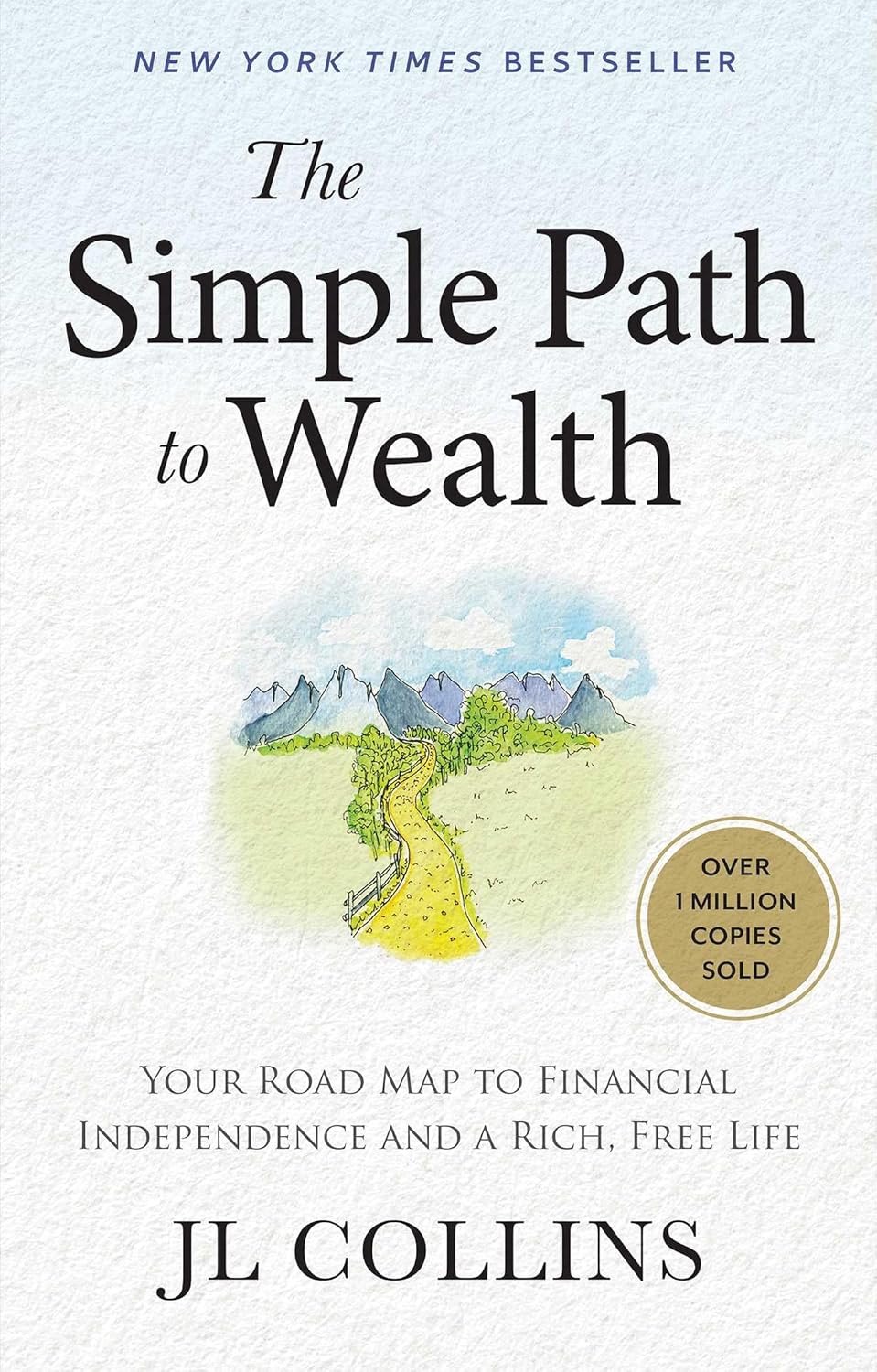
The Simple Path to Wealth (Revised & Expanded 2025 Edition)
JL Collins, Mr. Money Mustache


 Amazon Charts


 47 Min Reading Time
 Audio Version Available
About this book
As seen on "Hasan Minhaj Doesn't Know." An Instant New York Times Bestseller.
Discover the radically simple path to financial independence in this comprehensively updated and expanded 2025 edition.
Tired of complex investment strategies and financial industry jargon? "The Simple Path to Wealth" cuts through the noise, offering a straightforward guide to building wealth and achieving financial freedom, drawn from the author's 50 years of experience.
Born from a series of letters to his daughter, JL Collins' timeless wisdom has ignited the FIRE (Financial Independence, Retire Early) movement, empowering countless readers to transform their relationship with money. This revised edition features updated data, a Simple Path to Wealth Punchlist, and essential resources, making it easier than ever to:
- Eliminate debt and build "F-you Money."
- Understand the stock market and how it really works.
- Implement simple, yet powerful investment strategies.
- Navigate 401(k)s, IRAs, and other retirement accounts with confidence.
- Protect yourself from financial scams and advisors with conflicts of interest.
- Live life on your own terms, supported by your wealth.
Whether you're a seasoned investor or just starting out, Collins' direct, irreverent style will equip you with the knowledge and confidence to take control of your financial future. More than just an investment book, "The Simple Path to Wealth" is your roadmap to a life of freedom and financial security.
Summary of Key Ideas
- •
Debt: The Enemy of Wealth
Debt is a wealth killer. Collins emphasizes avoiding debt, especially high-interest debt like credit card debt, as it significantly hinders wealth accumulation. He views debt as an anchor that holds you back from achieving financial independence. By minimizing or eliminating debt, more of your income can be directed towards investments, accelerating your journey to financial freedom. He advocates for a debt-free lifestyle, fostering a mindset of living within your means and making conscious spending choices.
- •
Live Below Your Means
Living below your means is crucial. This involves spending less than you earn and directing the surplus towards investments. Collins champions frugality, not as deprivation, but as a conscious choice to prioritize financial independence over unnecessary consumption. This principle allows you to save a significant portion of your income, which can then be invested to generate passive income and build wealth over time. Living below your means provides a financial cushion, reduces stress, and offers greater control over your life.
- •
The Power of Index Funds
Invest in broad market index funds, particularly VTSAX (Vanguard Total Stock Market Index Fund). Collins argues that these funds offer diversification, low costs, and historically strong returns. He advises against actively managed funds, which often underperform the market and come with higher fees. VTSAX provides exposure to a wide range of companies, mitigating risk and allowing you to participate in the overall growth of the stock market. This hands-off approach simplifies investing and reduces the need for constant monitoring and decision-making.
- •
Financial Independence: The Ultimate Freedom
Financial independence provides freedom and control. Collins frames financial independence as the ability to live life on your own terms, without being beholden to a job or financial constraints. It offers the freedom to pursue passions, spend time with loved ones, and contribute to causes you care about. Achieving financial independence requires discipline, planning, and a commitment to the principles outlined in the book. It's not just about accumulating wealth, but about creating a life of purpose and fulfillment.
- •
Keep Investing Simple
Simplicity trumps complexity in investing. Collins advocates for a straightforward, easy-to-understand investment strategy. He warns against chasing complex investment products or trying to time the market, as these often lead to poor results. By keeping things simple, you reduce the risk of making costly mistakes and increase your chances of long-term success. A simple approach also makes it easier to stay the course, even during market downturns. The core of his strategy involves consistently investing in low-cost index funds and letting compounding do its work.
- •
"F-You Money": Your Escape Hatch
"F-You Money" provides options and security. Collins introduces the concept of "F-You Money" as a financial buffer that allows you to walk away from a job or situation that is detrimental to your well-being. This financial security empowers you to make choices based on your values and priorities, rather than being driven by fear or necessity. Having F-You Money reduces stress, increases confidence, and provides a sense of control over your life. It's a testament to the power of saving and investing wisely.
- •
The Stock Series: A Foundation of Knowledge
The Stock Series forms the foundation. Before writing "The Simple Path to Wealth," Collins penned a series of blog posts called "The Stock Series," explaining his investment philosophy in detail. These posts cover topics such as the importance of investing in stocks, how to choose the right investments, and how to manage your portfolio over time. The book expands upon these core principles, providing a comprehensive guide to building wealth. The Stock Series serves as a valuable resource for those seeking a deeper understanding of Collins' approach.
- •
Weather the Storm: Long-Term Perspective
The market will fluctuate; stay the course. Collins stresses the importance of maintaining a long-term perspective and not panicking during market downturns. He acknowledges that the stock market will inevitably experience ups and downs, but emphasizes that these fluctuations are normal and should not deter you from your investment strategy. He advises against selling investments during market declines, as this can lock in losses and hinder your ability to recover. Staying the course through market volatility is essential for long-term success.
Chapter Recap

About The Author
JL Collins
Main Quotes
"Debt is the opposite of wealth."
"The single most powerful thing you can do to build wealth is to close your mind to the wants of others."
"Spend less than you earn. Invest the surplus. Avoid debt."
"The key to building wealth is spending far less than you make."
"Your money is for you. Use it to increase your freedom and choices."
"Financial independence is really about having options."
"Think of your money as seeds and your investments as fields. The more seeds you plant, the more fields you plant them in, the more crops you will harvest."
"When markets fall, don’t panic, don’t sell. Buy."
"You want to own productive assets."
"The most important thing you can do is control your spending."
Who Should Read This Book
Young adults starting their careers
Individuals seeking financial independence and early retirement
People with little to no financial background or investment experience
Those looking for a simple, actionable, and long-term investment strategy
Readers who appreciate straightforward, no-nonsense financial advice
Followers of the FIRE (Financial Independence, Retire Early) movement
Fans of JL Collins' blog and previous editions of the book
Those seeking to reduce financial stress and gain control of their finances
Individuals interested in building wealth through index fund investing
People looking for a roadmap to achieve financial security and live a rich life
Book Summaries Like
The Simple Path to Wealth (Revised & Expanded 2025 Edition)
FAQ

Free Access to LitNotes