




 DISCORD
The Splendid and the Vile
Erik Larson


 Amazon Best Sellers
 Apple Books


 137 Min Reading Time
 Audio Version Available
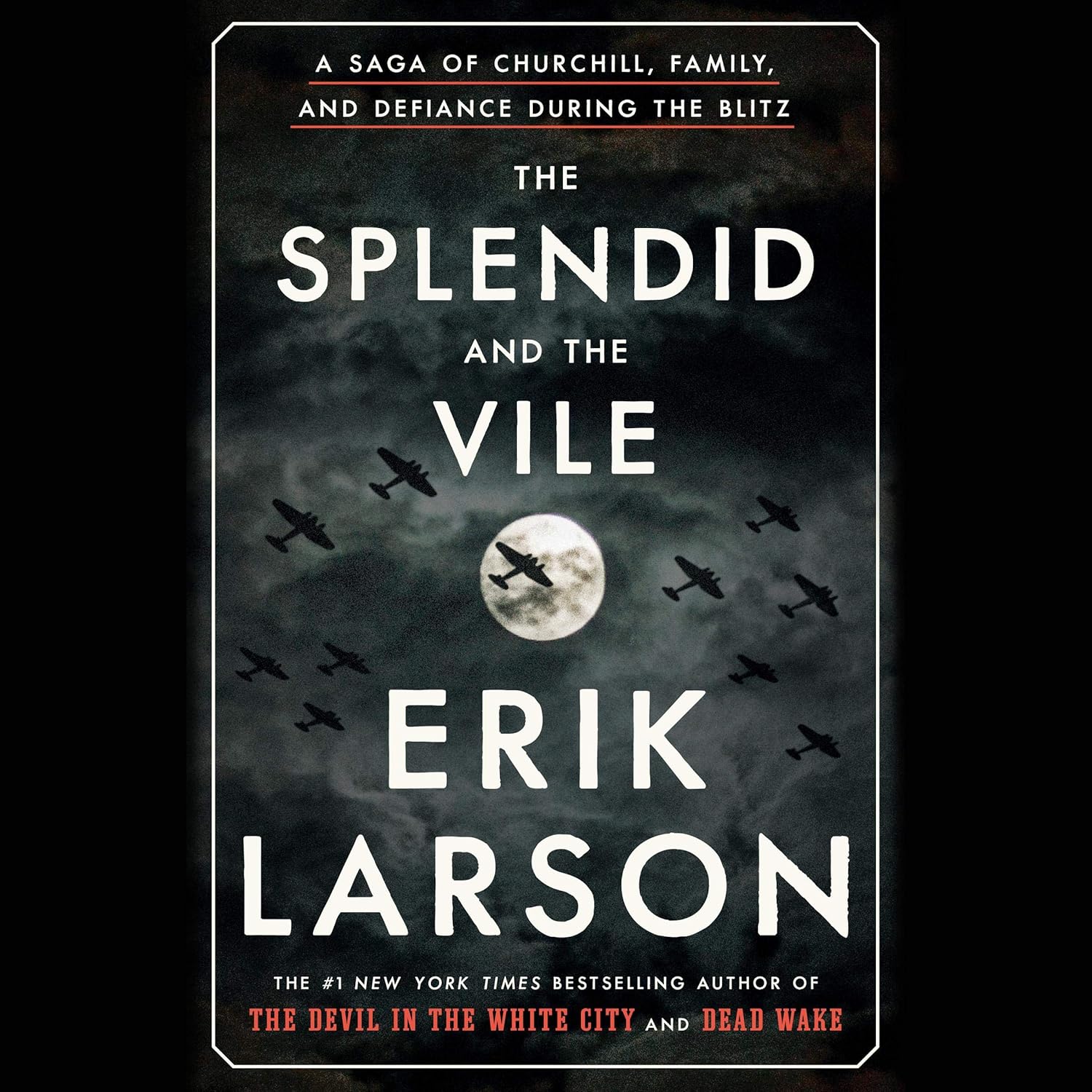
About this book
As the bombs fell and the world teetered on the brink, one man stood defiant. Erik Larson, the master of historical narrative, plunges us into the heart of London during the Blitz, alongside Winston Churchill in The Splendid and the Vile.
On Churchill's first day as prime minister, Hitler invaded Holland and Belgium, signaling a year of relentless terror for the British people. Through meticulously researched diaries and newly released intelligence, Larson reveals not only Churchill's political genius in galvanizing a nation, but also the intimate struggles of his family within the walls of 10 Downing Street and beyond.
Experience London's darkest hour through the eyes of Churchill, his wife Clementine, their defiant daughter Mary, and a fascinating cast of characters within his inner circle. The Splendid and the Vile is a gripping saga of leadership, resilience, and the extraordinary lives of ordinary people facing unimaginable adversity. It's a vivid reminder of true leadership when the world needed it most.
Summary of Key Ideas
- •
The Power of Unwavering Resolve
Churchill's unwavering resolve and defiance in the face of Nazi aggression served as a beacon of hope for the British people. Despite facing immense pressure and skepticism, he refused to entertain any possibility of surrender or negotiation with Hitler, inspiring a nation to stand firm against seemingly insurmountable odds. This resolute stance was not merely political posturing but a deeply held conviction that shaped his leadership and galvanized the country's war effort. His speeches, broadcasts, and personal interactions consistently reinforced this message of defiance, solidifying his image as the embodiment of British resistance.
- •
A Comprehensive View of the Blitz Experience
Larson masterfully weaves together the experiences of ordinary citizens with those of political and military leaders, providing a comprehensive view of the Blitz. The book details the daily lives of Londoners enduring constant air raids, food shortages, and the ever-present threat of death. These personal stories humanize the historical events, allowing readers to connect emotionally with the struggles and sacrifices of the British people. By juxtaposing these experiences with the decisions made in the war rooms, Larson illustrates how political actions directly impacted the lives of individuals, fostering a deeper understanding of the war's human cost.
- •
The Vital Anglo-American Alliance
The narrative highlights the intricate and often strained relationship between Britain and the United States during the early years of the war. Churchill recognized the critical importance of American support and worked tirelessly to persuade President Roosevelt to provide assistance, despite strong isolationist sentiments in the US. The book explores the complex political maneuvering and personal diplomacy involved in securing vital resources and eventual entry of the United States into the war. This alliance proved crucial to the Allied victory, demonstrating the power of international cooperation in times of crisis.
- •
Churchill's Humanity Amidst Crisis
Through meticulous research and vivid storytelling, Larson reveals the flaws and vulnerabilities within Churchill's leadership and personal life. The book delves into his occasional bouts of depression, his sometimes erratic behavior, and the challenges he faced in maintaining a united front within his own government. By portraying Churchill as a complex and fallible human being, Larson offers a more nuanced and relatable portrait of the iconic leader, highlighting the immense pressure he faced and the personal sacrifices he made.
- •
The Decisive Role of Intelligence
The book explores the crucial role of intelligence and technology in Britain's defense, particularly the use of codebreaking at Bletchley Park. The decryption of German Enigma codes provided invaluable insights into enemy plans and significantly aided the Allied war effort. Larson sheds light on the secret operations and the brilliant minds that worked tirelessly to decipher these codes, demonstrating the importance of innovation and technological advancement in modern warfare. This aspect underscores the hidden battles fought behind the scenes, which were essential to Britain's survival.
- •
British Resilience and Adaptability
Larson emphasizes the resilience and adaptability of the British people during the Blitz. Despite the constant bombardment and widespread destruction, Londoners displayed remarkable courage and a refusal to be defeated. The book recounts numerous stories of ordinary citizens helping each other, maintaining morale, and finding moments of joy amidst the chaos. This collective spirit of resilience played a vital role in sustaining the war effort and ultimately contributed to Britain's victory. It illustrates the enduring power of the human spirit in the face of adversity.
- •
The Power of Rhetoric and Propaganda
The book illustrates how Churchill effectively used rhetoric and propaganda to shape public opinion and maintain morale. His powerful speeches, broadcast both domestically and internationally, rallied the British people and inspired them to persevere. Larson details the strategic use of information and the careful crafting of narratives to counter enemy propaganda and maintain public confidence. This highlights the importance of communication and leadership in shaping national identity and purpose during times of war.
- •
The Importance of Trusted Relationships
The narrative showcases the critical role of Churchill's close circle of advisors and confidants. Individuals like Lord Beaverbrook, Clementine Churchill, and others provided crucial support, advice, and sometimes dissenting opinions that helped shape his decisions. Larson illustrates the importance of diverse perspectives and trusted relationships in effective leadership, particularly during times of crisis. These personal connections offered Churchill a vital sounding board and helped him navigate the complex challenges of leading a nation at war.
Chapter Recap

About The Author
Erik Larson
Main Quotes
"“Everyone, it seemed, had a Blitz story to tell.”"
"“The sirens had become background music.”"
"“Keep buggering on.”"
"“The willingness of the British to endure all that the Luftwaffe could deliver turned out to be Hitler’s undoing.”"
"“He mobilized the English language and sent it into battle.”"
"“This was total war, and everyone was a combatant.”"
"“London can take it.”"
"“Success is not final, failure is not fatal: it is the courage to continue that counts.”"
"“Never in the field of human conflict was so much owed by so many to so few.”"
"“Let us therefore brace ourselves to our duties, and so bear ourselves that if the British Empire and its Commonwealth last for a thousand years, men will still say, ‘This was their finest hour.’”"
Who Should Read This Book
Readers of narrative nonfiction
History buffs, particularly those interested in World War II and British history
Readers interested in Winston Churchill's life and leadership
Individuals who enjoy detailed, character-driven historical accounts
Readers who appreciate Erik Larson's writing style and previous works
Those seeking stories of leadership and resilience during times of crisis
Readers interested in social history and the impact of war on everyday life
Book Summaries Like
The Splendid and the Vile

FAQ

Free Access to LitNotes