




 DISCORD
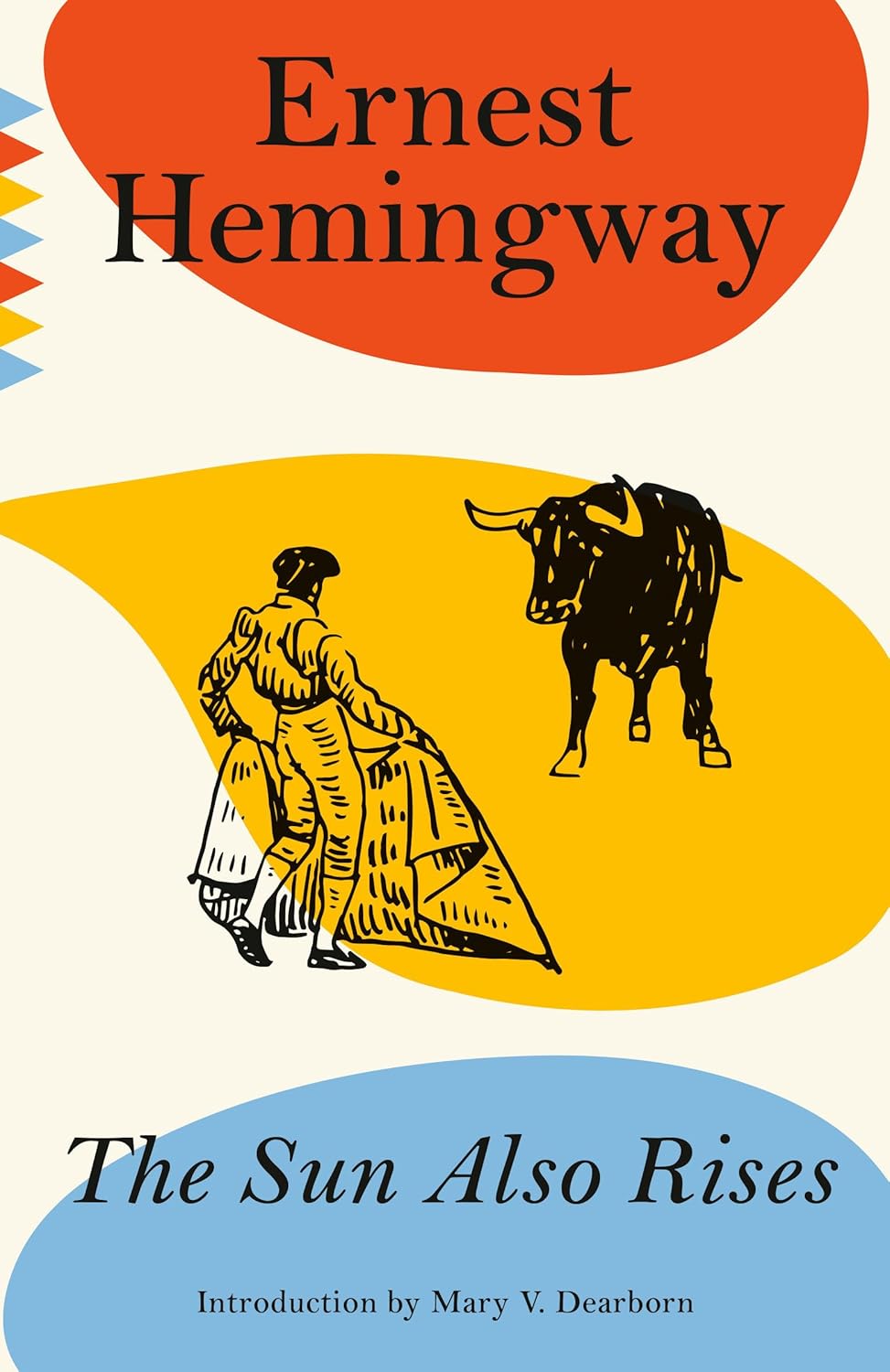
The Sun Also Rises
Ernest Hemingway


 Apple Books


 55 Min Reading Time
 Audio Version Available
About this book
In the heart of post-World War I Europe, Ernest Hemingway's The Sun Also Rises captures the raw disillusionment of the Lost Generation. Jake Barnes, a war-wounded journalist, navigates the intoxicating nightlife of 1920s Paris and the brutal bullfighting arenas of Spain alongside the alluring Lady Brett Ashley and a vibrant circle of expatriates. Their journey is a poignant exploration of love, loss, and the search for meaning in a world stripped bare of its illusions. As passions ignite and rivalries flare amidst the vibrant backdrop of Pamplona's fiesta, Hemingway's spare, powerful prose paints an unforgettable portrait of a generation grappling with the wounds of war and the complexities of human connection.
Summary of Key Ideas
- •
The Disillusionment of the Lost Generation
The novel portrays the disillusionment and aimlessness of the post-World War I generation, often referred to as the "Lost Generation." Jake Barnes and his expatriate friends drift through life in Paris and Spain, seeking pleasure and meaning but finding only fleeting satisfaction. The war has left them emotionally scarred and unable to form lasting relationships or find purpose in traditional values. Their experiences reflect a broader sense of cultural and moral decay in the aftermath of the conflict, as they struggle to come to terms with a world irrevocably changed by violence and loss.
- •
The Metaphor of Impotence
Jake Barnes's war wound, which renders him impotent, serves as a central metaphor for the characters' inability to find fulfillment and create meaningful connections. His physical impairment mirrors the emotional and psychological wounds that affect the entire group, preventing them from fully engaging in life and love. The frustration and despair stemming from Jake's condition permeate his relationships, particularly his unconsummated love for Brett Ashley, highlighting the pervasive sense of loss and unfulfilled potential.
- •
The Destructive Nature of Freedom
Brett Ashley embodies the liberated yet destructive woman of the 1920s. She is independent, sexually assertive, and defies traditional gender roles, yet her relationships are chaotic and ultimately unfulfilling. Brett's inability to commit to one man and her constant pursuit of pleasure lead to heartbreak and instability for herself and those around her. She represents both the allure and the dangers of newfound freedom and the challenges of navigating love and desire in a changing social landscape.
- •
Escape Through Travel and Hedonism
The characters in "The Sun Also Rises" often seek solace and escape in travel and leisure activities, particularly in the vibrant and sensual world of Spain. The fiesta in Pamplona provides a temporary reprieve from their emotional turmoil, as they immerse themselves in bullfighting, drinking, and camaraderie. However, these experiences are ultimately fleeting and fail to provide lasting meaning or resolve their underlying issues. The pursuit of pleasure becomes a way to mask their pain and avoid confronting their inner emptiness.
- •
The Crisis of Masculinity
The theme of masculinity and its crisis is explored through the characters of Jake, Robert Cohn, and Pedro Romero. Jake struggles with his physical limitations and the resulting insecurities about his manhood. Robert Cohn faces anti-Semitism and social rejection, fueling his aggressive pursuit of Brett. Pedro Romero, the young bullfighter, embodies traditional ideals of masculinity, courage, and skill. The novel contrasts these different expressions of masculinity, highlighting the challenges and complexities of male identity in the modern world.
- •
The Failure of Relationships
The tumultuous and often destructive relationships between the characters reveal their inability to form genuine connections. Love is frequently conflated with lust and desire, leading to jealousy, betrayal, and heartbreak. The characters struggle to communicate their feelings and are often driven by selfish motives, resulting in a cycle of pain and disappointment. The novel suggests that the war has damaged their capacity for intimacy and trust, leaving them incapable of forming lasting bonds.
- •
Glimmers of Hope and Connection
While the characters grapple with disillusionment and despair, there are also moments of genuine connection and appreciation for the simple pleasures of life. Jake finds solace in fishing and the beauty of nature, and he experiences moments of camaraderie with his friends. These fleeting moments of joy and connection offer a glimmer of hope amidst the prevailing sense of loss and emptiness, suggesting that even in a broken world, there is still beauty and meaning to be found.
- •
The Symbolism of Bullfighting
The symbolic significance of bullfighting in "The Sun Also Rises" highlights the themes of courage, skill, and the confrontation with death. The bullfight serves as a microcosm of life, with its inherent risks and the need for grace under pressure. Pedro Romero's mastery of the bullfight embodies the traditional values of honor and self-control, offering a contrast to the aimless and self-destructive behavior of the expatriate community. The bullfight represents a search for meaning and authenticity in a world that often feels meaningless.
Chapter Recap

About The Author
Ernest Hemingway
Main Quotes
"“You are all a lost generation.”"
"“I rather liked him and evidently she led him quite a life.”"
"“Nobody ever lives their life all the way up except bull-fighters.”"
"“It is awfully easy to be hard-boiled about everything in the daytime, but at night it is another thing.”"
"“You’re an expatriate. You’ve lost touch with the soil. You get precious. Fake European standards have ruined you. You drink yourself to death.”"
"“I can’t stand it to think my life is going so fast and I’m not really living it.”"
"“The sun also ariseth, and the sun goeth down, and hasteth to the place where he arose.”"
"“I had the feeling as in a nightmare of it all being something repeated, something I had been through and that now I must go through again.”"
"“You’re not a bad type,” she said. “It’s a shame you’re sick. We get on well. What’s the matter with you, anyway?” “I got hurt in the war,” I said."
"“Isn't it pretty to think so?”"
Who Should Read This Book
Readers interested in classic American literature
Individuals fascinated by the Lost Generation and post-World War I disillusionment
Those who appreciate Ernest Hemingway's minimalist writing style
Readers interested in themes of masculinity, love, and loss
People who enjoy stories set in Europe, particularly France and Spain
Students and academics studying modernist literature
Readers interested in bullfighting and Spanish culture
Individuals exploring themes of expatriation and identity
Readers interested in stories about complex relationships and unrequited love
Book Summaries Like
The Sun Also Rises


FAQ

Free Access to LitNotes