




 DISCORD
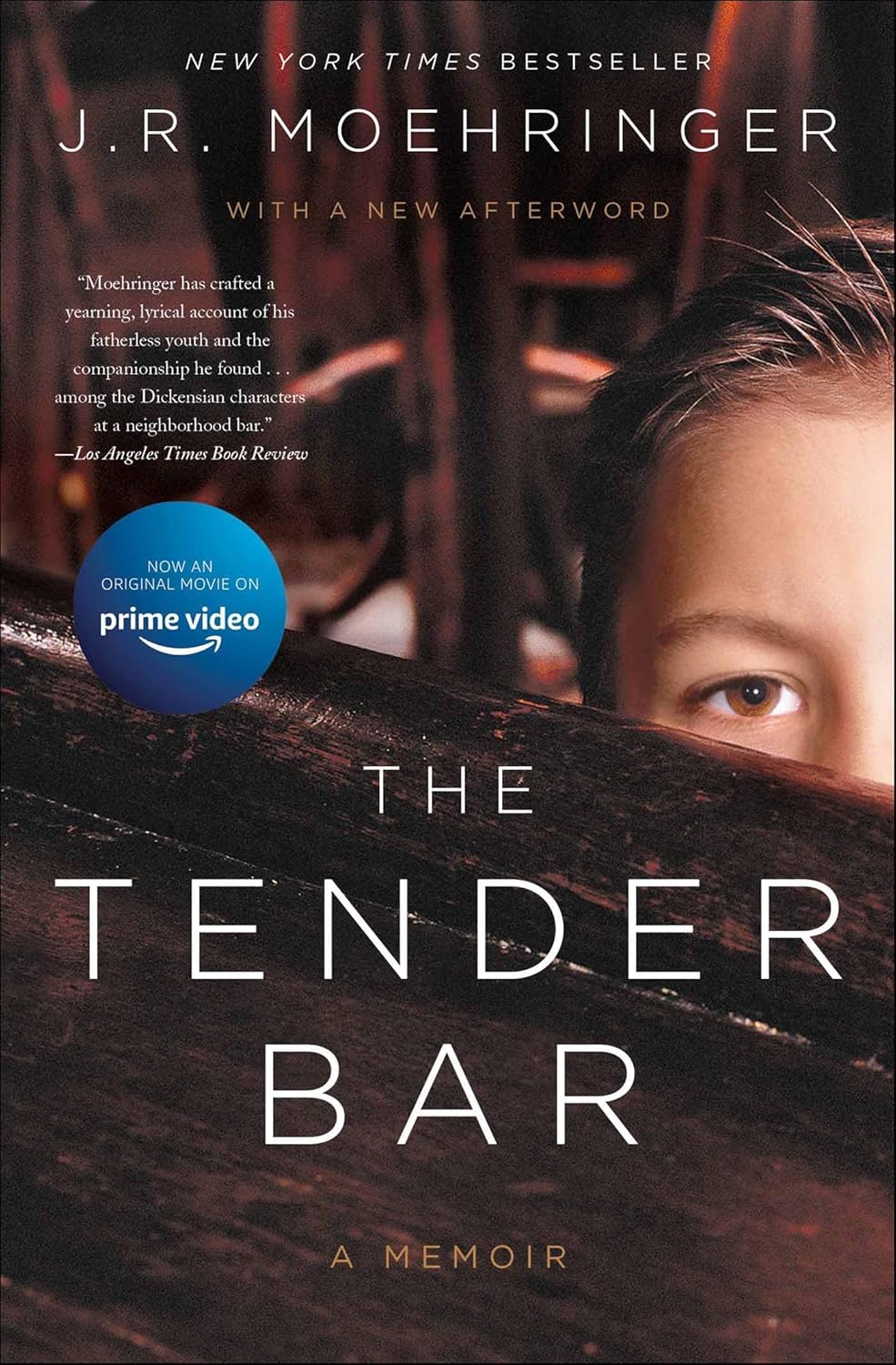
The Tender Bar
J. R. Moehringer, Juan José Estrella González


 Apple Books


 149 Min Reading Time
 Audio Version Available
About this book
J.R. Moehringer's father was a voice on the radio, a phantom disc jockey who vanished before J.R. could form a memory. Raised by his fiercely loving single mother, J.R. yearned for a male presence, a guide to the mysteries of manhood. He found it not at home, but in a most unexpected place: the local bar.
In this sanctuary of flawed but colorful characters—cops, poets, actors, and hustlers—J.R. discovered a surrogate family. Under the tutelage of his charismatic Uncle Charlie and the bar's eclectic regulars, he learned about life, love, and loss. But as J.R. chased his dreams, from Yale's hallowed halls to the pressure-cooker newsroom of The New York Times, the bar remained his magnetic north, a refuge from the world's harsh realities.
The Tender Bar is a poignant and often hilarious memoir about growing up, finding your place, and the enduring power of male camaraderie. It's a classic American story of self-invention, a tribute to the fierce love between a mother and son, and an unforgettable exploration of the universal search for belonging.
Summary of Key Ideas
- •
The Search for a Father Figure
The central theme revolves around J.R.'s quest for a father figure. Abandoned by his biological father, a charismatic but unreliable radio DJ known only as "The Voice," J.R. seeks guidance and mentorship from the patrons of his uncle Charlie's bar, The Dickens. This search highlights the profound impact of absent fathers and the diverse ways individuals seek to fill that void. The bar becomes a surrogate family, offering J.R. a sense of belonging and a collective of flawed but well-meaning men to emulate and learn from as he navigates adolescence and early adulthood.
- •
The Bar as a Sanctuary and School
The Dickens, Uncle Charlie's bar, serves as more than just a place to drink; it's a sanctuary and a classroom for J.R. It's a place where he learns about life, love, literature, and the complexities of human nature. The bar's regulars, a colorful cast of characters, offer J.R. unsolicited advice, questionable wisdom, and a sense of community that compensates for his unstable home life. The Dickens becomes a symbol of stability and a source of informal education that shapes J.R.'s worldview and aspirations.
- •
The Power of a Mother's Love
J.R.'s mother plays a pivotal role in his life, serving as a source of unwavering support and encouragement. Despite facing financial hardships and emotional challenges, she is determined to provide J.R. with a better future. Her relentless pursuit of education and her belief in J.R.'s potential inspire him to strive for academic success and escape the cycle of poverty and instability that has plagued their family. Her sacrifices and unwavering love are a constant source of motivation for J.R.
- •
A Journey of Self-Discovery
The book chronicles J.R.'s coming-of-age journey, tracing his development from a vulnerable and insecure boy to a confident and self-assured young man. He grapples with questions of identity, purpose, and belonging as he navigates the challenges of adolescence, including first love, heartbreak, and the pressures of academic achievement. His experiences at The Dickens, his relationship with his mother, and his pursuit of his dreams shape his character and ultimately lead him to discover his own voice and path in life.
- •
The Transformative Power of Writing
J.R.'s pursuit of writing is a central theme, representing his desire to make sense of his experiences and to find his place in the world. He is inspired by the stories he hears at The Dickens and the books he reads, and he dreams of becoming a successful writer. His dedication to his craft, despite facing setbacks and self-doubt, highlights the transformative power of literature and the importance of pursuing one's passions. Writing becomes a way for J.R. to understand himself and the world around him.
- •
The Meaning of Family
The book explores the complexities of family, both biological and chosen. J.R.'s relationship with his absent father highlights the pain and confusion that can result from parental abandonment, while his connection to his mother and the patrons of The Dickens demonstrates the importance of supportive relationships and the ability to create one's own family. The book suggests that family is not necessarily defined by blood but by the bonds of love, loyalty, and shared experience.
Chapter Recap

About The Author
J. R. Moehringer
American journalist, memorist, and biographical ghostwriter, who won the 2000 Pulitzer Prize for newspaper feature writing. J. R. Moehringer is the pen name of John Joseph Moehringer
Main Quotes
"Your best is whatever you can do comfortably without having a breakdown ."
"I began dividing life in absolutes... Things and people were either perfectly bad, or perfectly good, and when life didn't obey this black-and-white rule, when things or people were complex or contradictory, I pretended otherwise."
"Do you know why God invented writers? Because He loves a good story. And he doesn't give a damn about words."
"He'd walked through the same fire. You'll live, he promised. The pain will put hair on your chest."
"Beer is amazing. Nutritional. Medicinal. A beverage, but also a meal."
"I tried to tell Grandma about this feeling, about my suspicion that life was nicking away pieces of me."
"Most of all, I was struck by his calm."
"All I wanted was boundless possibilities, endless futures."
"The future was that night, and the night after that, and all the nights to come. How could I plan for a lifetime of nights?"
"He was my North Star."
Who Should Read This Book
Readers who enjoy memoirs, especially coming-of-age stories
Individuals interested in stories about family, identity, and belonging
Those who appreciate narratives set in working-class environments, particularly bars and neighborhoods
Readers who enjoy books with themes of mentorship and the importance of community
Individuals looking for stories with a nostalgic feel, set in the 1970s and 80s
Readers who appreciate literary writing with humor and emotional depth
People who enjoy books that explore father-son relationships
Individuals who like books that have been adapted into films
Readers interested in stories about overcoming adversity and achieving personal growth
Book Summaries Like
The Tender Bar
FAQ

Free Access to LitNotes