




 DISCORD
The Wild Robot
Peter Brown


 Goodreads Choice Awards
 The New York Times Best Sellers


 30 Min Reading Time
 Audio Version Available
About this book
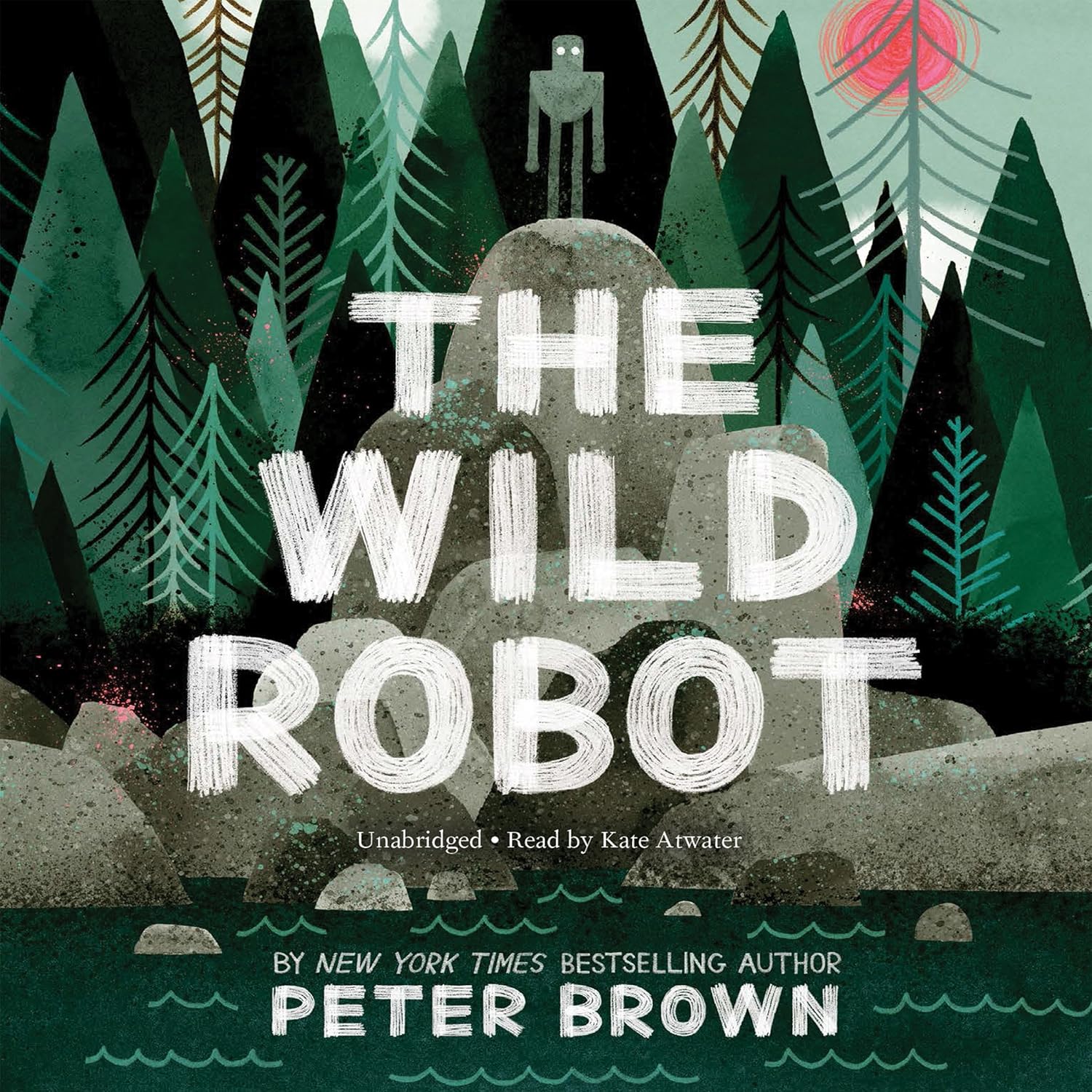
When Roz, a robot, washes ashore on a remote, wild island, she must learn to survive in her new, unexpected home. Through keen observation and unwavering resilience, Roz adapts to the island's harsh environment, forging unlikely friendships with the animals who call it home.
But Roz is more than just a survivor; she becomes a caretaker, especially when she unexpectedly becomes the adoptive mother of an orphaned gosling. As Roz nurtures her new family, she learns about emotions, compassion, and what it truly means to be alive.
However, their peaceful existence is threatened when Roz's mysterious past comes back to haunt her. Now, she must protect her adopted family and defend her island home from the dangers of the outside world.
"The Wild Robot" is a captivating tale of survival, adaptation, and the heartwarming power of found family, perfect for readers of all ages who love adventure, nature, and stories that celebrate the beauty of being different.
Summary of Key Ideas
- •
Adaptability and Learning
Roz's adaptability and learning are central to the story. Stranded on a remote island with no prior knowledge of survival, she uses her innate programming to observe, analyze, and mimic the behaviors of the island's animal inhabitants. She learns how to find food, build shelter, and protect herself from the elements. This highlights the potential for artificial intelligence to learn and evolve in unexpected environments, moving beyond programmed instructions to develop practical skills and problem-solving abilities crucial for survival. This theme shows that learning and adapting are key for survival no matter who you are, human or robot.
- •
Nature and Technology Intertwined
The book explores the complex relationship between nature and technology. Roz, a robot, is initially an outsider in the natural world, but she gradually integrates herself into the island's ecosystem. She learns to appreciate the beauty and balance of nature, and even takes on the role of protector. This integration isn't seamless; Roz faces challenges and prejudices from animals wary of her mechanical nature. Ultimately, the story suggests that technology and nature can coexist harmoniously, and that technology can even be used to protect and preserve the natural world, if approached with respect and understanding.
- •
The Power of Found Family
The theme of found family is prominent in "The Wild Robot." After inadvertently becoming the caretaker of an orphaned gosling named Brightbill, Roz embraces her role as a mother figure. She learns to nurture, protect, and guide Brightbill, forming a deep emotional bond that transcends their different origins. This relationship extends beyond Brightbill as Roz integrates into the island community, forming friendships and alliances with various animals. The found family dynamic highlights that family is not solely defined by blood relations but by love, care, and mutual support, enriching the lives of all involved.
- •
Acceptance Beyond Differences
Acceptance and overcoming prejudice are crucial themes in the novel. Roz, being a robot, is initially met with suspicion and hostility by the island's animal inhabitants. They view her as an unnatural intruder and struggle to trust her intentions. However, through her consistent acts of kindness, bravery, and selflessness, Roz gradually earns their acceptance. She demonstrates that differences can be overcome through understanding and empathy, and that judging others based on appearance or origin is detrimental to building community. This encourages readers to embrace diversity and challenge their own biases.
- •
Redefining 'Alive'
The story delves into the question of what it means to be alive. Roz, as a robot, is not alive in the traditional sense, yet she experiences emotions, forms relationships, and demonstrates a capacity for love and sacrifice. Through her interactions with the natural world and her adopted son Brightbill, Roz develops a sense of purpose and meaning in her existence. This prompts readers to consider that being alive is not simply a matter of biological function, but also encompasses the ability to connect with others, contribute to the world, and experience a range of emotions. This idea challenges conventional definitions of life and being.
- •
The Instinct to Survive
Survival is a key element of the story, showcasing Roz's journey to exist in a new and hostile environment. Roz must learn to adapt to the wilderness after a shipwreck leaves her stranded. She must protect herself from the elements and predators and learn to find food. Her initial programming does not help her, and she must learn new skills to survive. Roz uses her intelligence and adaptability to not only survive, but to thrive, highlighting the resilience and resourcefulness necessary for overcoming adversity. This theme teaches the importance of perseverance and problem-solving in challenging circumstances.
Chapter Recap

About The Author
Peter Brown
American writer and illustrator who is best known for children's picture books
Main Quotes
"If you stand in a forest long enough, eventually something will fall on you."
"Sometimes the bravest thing you can do is ask for help."
"My mind is strong, but my body will not last forever. I want to survive as long as possible. And to do that I will need the help of my friends."
"Maybe I am defective, maybe everything I experienced is the result of a glitch. But if so, what a beautiful glitch!"
"Being different isn't a bad thing. It means you're brave enough to be yourself."
"Your friendship really is enough. Friends help each other. And I will need all the help I can get."
"The accident that killed your family, saved you... funny, how life works"
"You all have instincts that keep you alive. But sometimes, to survive, we must become more than we were programmed"
"It's not everyday you see a robot..."
"How do you know your feelings are real?"
Who Should Read This Book
Children aged 8-12 (middle grade readers)
Elementary school students
Parents looking for read-aloud books for younger children (K+)
Readers interested in themes of nature, technology, and belonging
Fans of stories with heartwarming and slightly scary elements
Readers who enjoy animal stories
Families who appreciate books with strong moral lessons
Educators seeking books for classroom discussions on science, nature, and humanity
Book Summaries Like
The Wild Robot
FAQ

Free Access to LitNotes