




 DISCORD
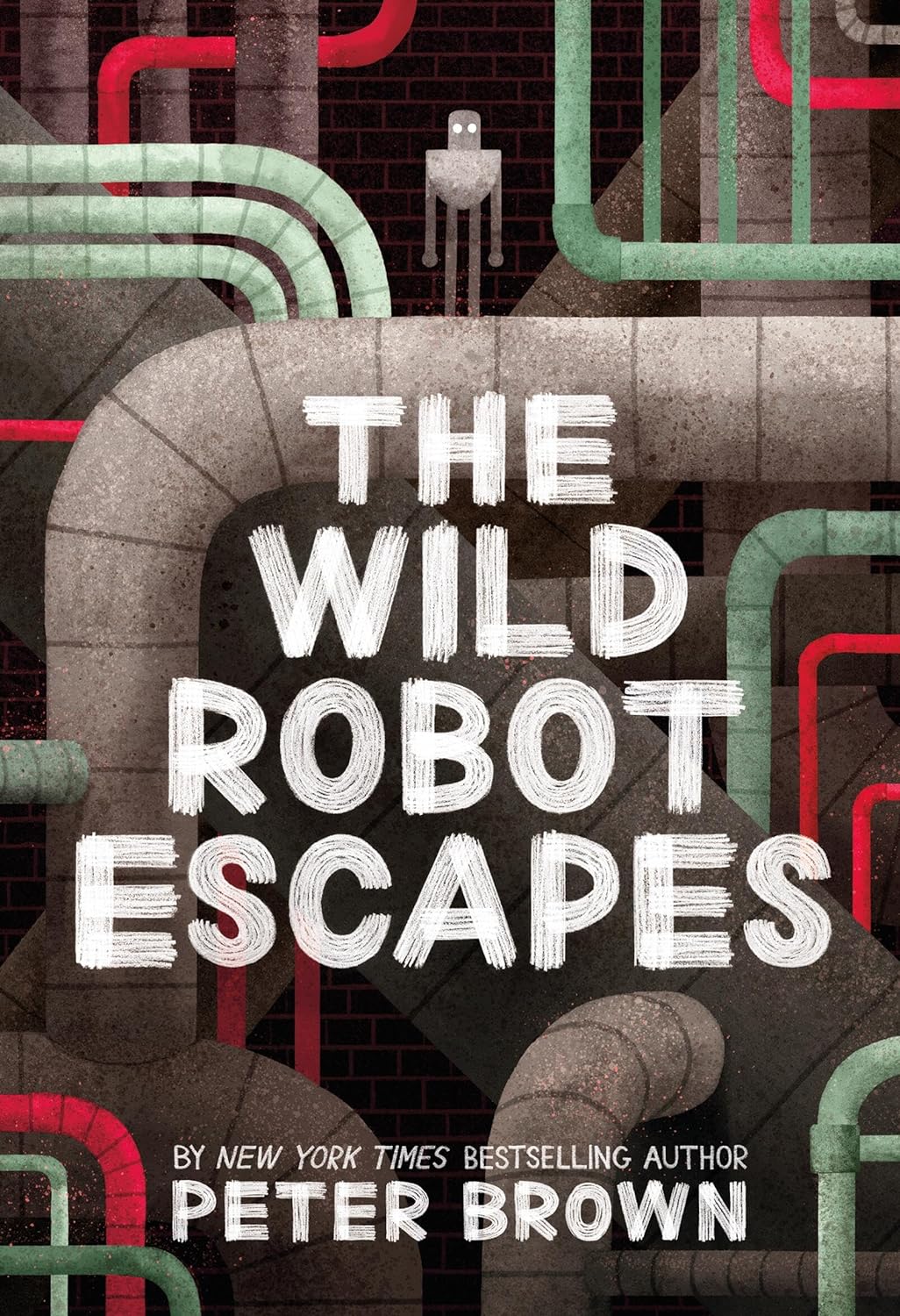
The Wild Robot Escapes
Peter Brown


 Indie Bestsellers


 27 Min Reading Time
 Audio Version Available
About this book
Roz, the resourceful robot who learned to survive on a wild island, faces a new challenge: civilization. Captured and reprogrammed, Roz is sent to Hilltop Farm, where she befriends the family and animals who live there. But her heart aches for her son, Brightbill, and the untamed island that became her home. Can Roz navigate the complexities of the human world and find her way back to the wild, or will the call of family and freedom remain unanswered?
Summary of Key Ideas
- •
The Power of Adaptation
Roz's Journey of Adaptation: The core of the story revolves around Roz's incredible ability to adapt to drastically different environments. From the wilderness of the island to the structured environment of the farm and, ultimately, her return to the wild, Roz consistently learns and adjusts her behavior to survive and thrive. This highlights the theme of resilience and the capacity to find one's place even in unfamiliar circumstances. Roz uses her programming and observation skills to integrate into new communities, showcasing the power of adaptability in overcoming challenges.
- •
Nature and Technology in Harmony
The Blurring Lines Between Nature and Technology: The book continues to explore the intersection of the natural world and technology. Roz, a robot, develops a deep connection with nature and other animals, demonstrating that technology is not necessarily in opposition to nature. It showcases the potential for harmony and coexistence, challenging the perception of robots as purely artificial and separate from the environment. Roz's interactions highlight how technology can be used to understand and protect the natural world.
- •
The Importance of Found Family
Found Family and Unconditional Love: A central theme of the book is the idea of 'found family.' Roz's relationship with Brightbill, the gosling she adopts in the first book, is a testament to the strength of non-traditional families. In "The Wild Robot Escapes", their bond remains a driving force as Roz navigates treacherous landscapes to reunite with him. Roz's maternal love for Brightbill transcends programming, underscoring that love and familial bonds can exist regardless of origin or species.
- •
The Quest for Freedom and Belonging
The Meaning of Freedom and Belonging: Roz's quest to return to the island is also a search for freedom and a sense of belonging. She grapples with the constraints of her programming and the expectations of humans, ultimately choosing to prioritize her connection with Brightbill and her life in the wild. The story emphasizes the importance of autonomy and the right to choose one's own path, even when it goes against societal norms. Roz's journey encourages readers to consider what it truly means to be free and where they truly belong.
- •
Resisting Control and Embracing Individuality
The Dangers of Control and Conformity: The human world and the RECO robots represent a desire to control and conform Roz to specific roles. Roz's resistance to this control highlights the importance of individuality and the dangers of suppressing one's true nature. The RECO robots act as antagonists, enforcing the will of the humans and attempting to force Roz back into servitude. This theme serves as a cautionary tale about the potential for technology to be used for oppressive purposes.
- •
Discovering One's True Identity
Identity and Self-Discovery: Throughout the story, Roz grapples with her identity as a robot and her evolving sense of self. She is more than just a machine; she experiences emotions, forms relationships, and makes independent choices. Roz's journey of self-discovery emphasizes that identity is not fixed but rather a fluid and evolving process. It encourages readers to explore their own identities and embrace their unique qualities.
- •
Bridging the Gap: Human, Animal, and Robot Connections
The complexities of human-animal relationships: The story showcases the interactions between humans, animals, and a robot, delving into the impact each has on the other. Roz's ability to communicate and connect with both humans and animals emphasizes the importance of empathy and understanding in building relationships across different species. These interactions highlight the responsibility humans have towards the environment and the animals within it.
- •
Acceptance and Overcoming Prejudice
Overcoming Prejudice and Accepting Differences: Initially, the animals on the island, and later the humans on the farm, view Roz with suspicion and fear because she is different. However, through her actions and kindness, Roz gradually earns their trust and acceptance. This highlights the importance of looking beyond surface differences and recognizing the value in every individual, regardless of their background or origin. The story encourages readers to challenge their own biases and embrace diversity.
Chapter Recap

About The Author
Peter Brown
American writer and illustrator who is best known for children's picture books
Main Quotes
""Reader, there's another important quality that children possess. In addition to being sneaky and smart, they're also compassionate. Children care about others...""
""An uncomfortable question popped into Jaya's mind. Roz, don't take this the wrong way, she began, but is it possible that you are defective?""
""I'm sorry to disappoint you, Roz, but you don't have some grand purpose. Like all the other ROZZUM robots, you were designed to work for humans. That's it.""
""But I am not safe here. If any human ever learns who I really am, they will have me destroyed. And that is why, when the time is right, I will try to.""
""I do not want to be fixed. I like being the way I am.""
""My son is programmed to be happy when he is working.""
""The past is the past. I cannot change it. But I can learn from it.""
""Sometimes the best way to help someone is to get out of their way.""
""She did not know what the future held, but she was ready for it.""
""I have learned that home is not a place. It is a feeling.""
Who Should Read This Book
Middle grade readers (ages 8-12)
Children interested in science fiction and adventure stories
Readers who enjoy stories about nature, animals, and robots
Fans of the first book in the series, "The Wild Robot"
Educators and parents looking for books with themes of adaptation, technology vs. nature, and environmentalism
Families looking for read-aloud stories
Readers who appreciate character-driven narratives and heartwarming themes
Book Summaries Like
The Wild Robot Escapes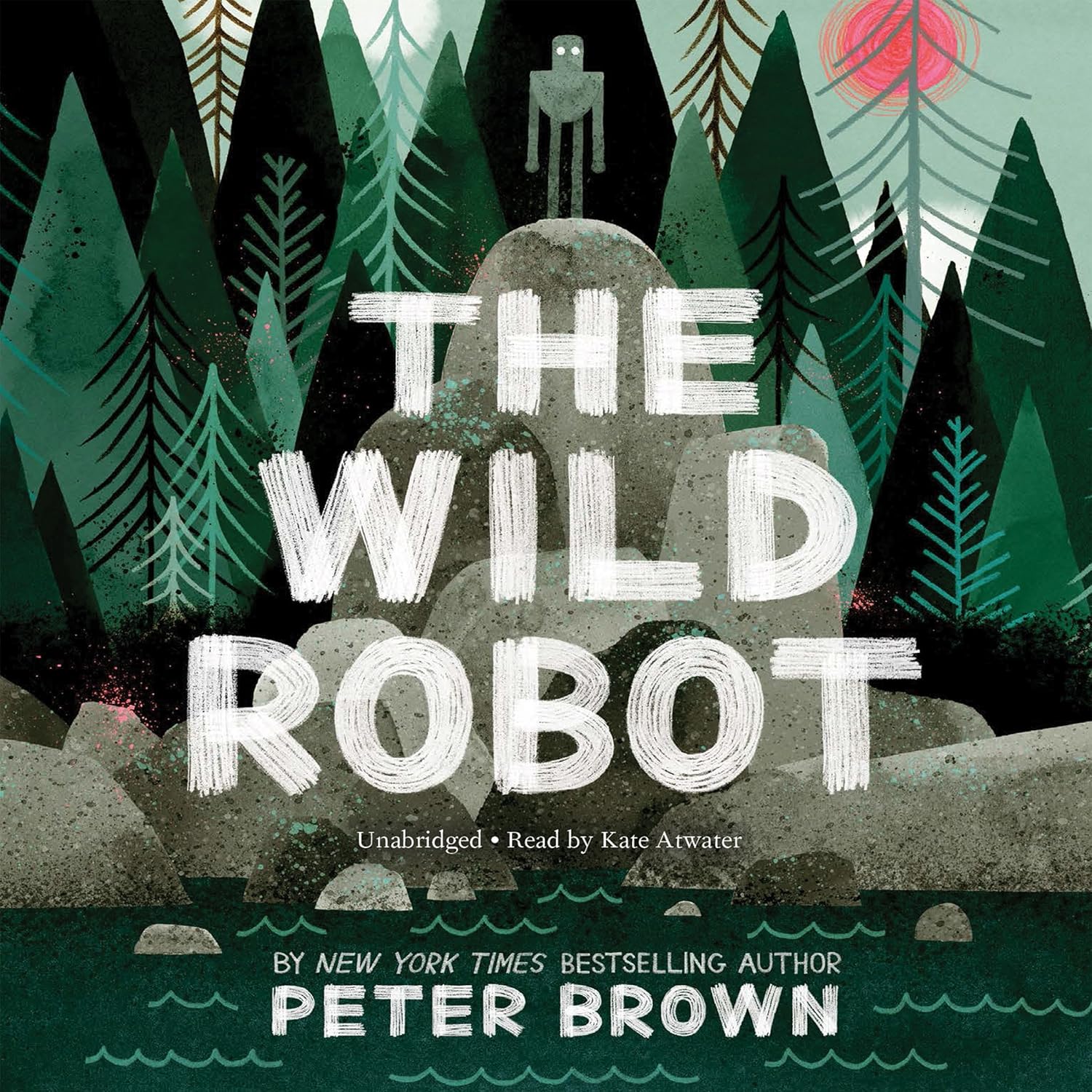
FAQ

Free Access to LitNotes