




 DISCORD
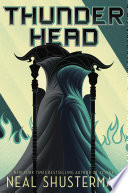
Thunderhead
Neal Shusterman


 Goodreads Choice Awards
 Apple Books


 139 Min Reading Time
 Audio Version Available
About this book
The world is perfect. Crime? Solved. Hunger? Eradicated. Death? Optional. In the dazzling sequel to Scythe, Neal Shusterman continues to expand his chilling, dystopian masterpiece.
A year has passed since Rowan went rogue, turning himself into Scythe Lucifer, a mythic figure who incinerates corrupt scythes in a fiery crusade. Citra is now a junior scythe, apprenticed to the compassionate Scythe Curie, but finds herself battling not just the old guard, but also the insidious whispers that maybe Scythe Lucifer isn't so wrong.
Overseeing it all is the Thunderhead, the benevolent AI that governs nearly every aspect of human existence. But the Thunderhead cannot interfere with the Scythedom, leaving it to its own devices—and its own destruction. When a shocking series of events throws the delicate balance of power into chaos, Rowan and Citra find themselves on opposing sides of a conflict that threatens to unravel their perfect world.
With humanity teetering on the brink, will the Thunderhead intervene? Or will the scythes bring about their own terrifying end?
Summary of Key Ideas
- •
The Benevolent Dictatorship of the Thunderhead
The Unseen Hand: The Thunderhead as Benevolent Dictator. The Thunderhead, a globally conscious AI, governs nearly every aspect of human life, maintaining a utopia free from disease, poverty, and death (except by Scythe decree). It represents a form of benevolent dictatorship, stepping in where humanity falters, but its inability to interfere with the Scythedom highlights the limits of its power and raises questions about free will versus controlled existence. The Thunderhead's perspective, often shared through interludes, offers a unique, almost parental view of humanity, showcasing both its potential and its flaws.
- •
Ethical Dilemmas in a Deathless World
Morality in a Perfect World: Ethical Dilemmas. In a world where death is almost obsolete, morality takes on new dimensions. The Scythes, tasked with population control, grapple with the ethics of their role. 'Thunderhead' delves into these complexities as characters face moral dilemmas, questioning the nature of justice, compassion, and the value of life itself. Citra and Rowan’s diverging paths exemplify this exploration, revealing how power and responsibility can corrupt or inspire.
- •
The Scythedom's Descent into Corruption
The Corruption of Power: Examining the Scythedom's Flaws. While the Thunderhead maintains order, the Scythedom, remains autonomous, susceptible to corruption and internal power struggles. The novel exposes the flaws within this system, highlighting how ambition, personal vendettas, and differing ideologies can undermine its intended purpose. The rise of corrupt Scythes like Goddard poses a significant threat to the delicate balance of the world, challenging the very foundations upon which it was built.
- •
The Price of a Controlled Utopia
Autonomy vs. Control: The Price of Utopia. The novel explores the tension between autonomy and control in a technologically advanced society. While the Thunderhead provides comfort and security, it also raises questions about the cost of such a managed existence. Characters grapple with the feeling of being watched and guided, yearning for genuine freedom and the ability to make their own choices, even if it means risking imperfection. This theme underscores the importance of individuality and self-determination, even in a world striving for absolute perfection.
- •
The Persistence of Human Flaws
The Human Element: Flaws in a Perfect System. Despite the Thunderhead's efforts to create a flawless world, human nature persists with all its imperfections. Greed, ambition, and the desire for power continue to drive conflict and threaten the stability of the system. The novel suggests that true utopia may be unattainable because it fails to account for the inherent flaws within humanity itself. These flaws are not necessarily negative, however, as they also give rise to passion, creativity, and the desire for change.
- •
The Destructive Nature of Extremism
The Dangers of Extremism: Goddard's Destructive Ideology. Scythe Goddard embodies the dangers of extremism, advocating for a return to a more violent and chaotic past. His disregard for human life and his thirst for power threaten to unravel the fabric of the utopian society. Goddard's actions serve as a cautionary tale about the seductive nature of radical ideologies and the importance of maintaining balance and reason.
- •
The Importance of Compassion and Empathy
The Power of Compassion: Finding Humanity in a Deathless World. In a world where death has become a job, compassion is a rare and valuable trait. Characters like Citra demonstrate the importance of empathy and understanding, even when faced with difficult choices. Their compassion serves as a counterpoint to the cold efficiency of the Scythedom, reminding readers of the importance of human connection and the value of each individual life.
- •
The Importance of Justice and Accountability
Justice and Accountability: The Need for Oversight. With the Thunderhead unable to interfere with the Scythedom, the question of justice and accountability becomes crucial. The novel highlights the need for checks and balances, even in a seemingly perfect system. The actions of rogue Scythes demonstrate the dangers of unchecked power and the importance of holding individuals accountable for their actions, regardless of their position.
Chapter Recap

About The Author
Neal Shusterman
Main Quotes
"The world is a flower I hold in my palm. I would end my own existence rather than crush it."
"While freedom gives rise to growth and enlightenment, permission allows evil to flourish in a light of day that would otherwise destroy it."
"The Thunderhead is the protector and parent-figure of mankind, and as such, it knows the temperaments of every single person on Earth."
"If we were judged by the things we most regret, no human being would be worthy to sweep the floor."
"The only way to rise above the pull of the lowest common denominator is to reach for something higher."
"Nothing pleases me more than to see the scythedom prodded out of complacency. You give me hope for the future."
"Power doesn't corrupt. It reveals."
"The most dangerous people are those who believe they know what's best for everyone else."
"The problem with good intentions is that they can be easily manipulated."
"Sometimes the only way to fight for what's right is to break the rules."
Who Should Read This Book
Young adults interested in dystopian and science fiction.
Readers who enjoy thought-provoking books with bold themes and complex moral questions.
Fans of the first book in the series, "Scythe."
Readers looking for books with political corruption, murder, and philosophical themes.
Teens and young adults who enjoy books with elements of fantasy.
Book Summaries Like
Thunderhead

FAQ

Free Access to LitNotes